









































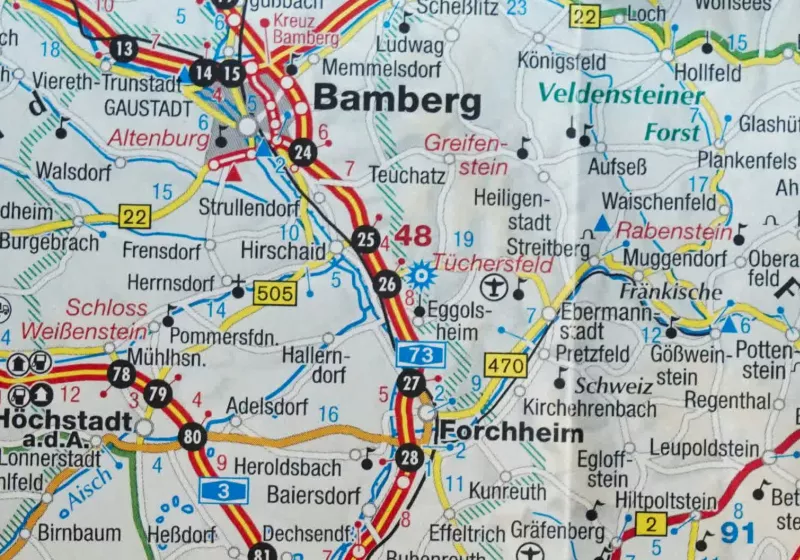
In a surprising turn of events, residents of Moscow and parts of St. Petersburg are reverting to using pagers and paper maps following significant disruptions to mobile internet services. Over the past week, connectivity issues have plagued central Moscow, making it difficult for people to access apps, hail taxis, or even make basic phone calls. This situation has raised concerns about the reliability of communication infrastructure in major urban areas.
Connectivity Crisis in Major Cities
Reports indicate that the mobile internet failures began around September 10, 2023, affecting numerous users who rely on their smartphones for everyday tasks. The inability to connect to the internet has created notable challenges for residents attempting to navigate their city or arrange transportation. As a result, many individuals are resorting to outdated but functional tools such as pagers and traditional paper maps to navigate their daily lives.
This sudden shift highlights a growing frustration among citizens who are accustomed to the convenience of digital services. Some have described the experience as reminiscent of a bygone era, where such devices were commonplace. The reality of this situation has prompted a wave of nostalgia, as individuals recall the simpler times of relying on non-digital means of communication and navigation.
Impact on Daily Life and Services
The effects of the mobile network disruptions extend beyond mere inconvenience. Essential services, such as ride-hailing applications, have also been significantly impacted. Residents find themselves unable to book rides, forcing them to seek alternative methods of transportation. In some cases, people have reported waiting longer than usual for cabs, while others have resorted to walking to their destinations.
As voice networks have gone dark in certain areas, the inability to make phone calls has raised alarm among users. For many, the absence of reliable communication tools poses safety risks, particularly for those needing assistance or emergency services. The situation has ignited discussions about the sustainability and reliability of modern communication infrastructure.
In light of these issues, some locals have taken to social media to share their experiences and frustrations. Many have posted images of their old pagers and paper maps, highlighting the irony of returning to these devices in a world dominated by smartphones. Users express a mix of humor and frustration, with some commenting on the challenges of navigating without digital assistance.
Experts suggest that the situation may be symptomatic of broader issues within the telecommunications sector in Russia. The outages have prompted calls for improved network infrastructure and better contingency plans to prevent similar incidents in the future. The reliance on digital communication continues to grow, and many believe that addressing these shortcomings is crucial for urban centers like Moscow and St. Petersburg.
As the disruptions continue, it remains to be seen how long this trend of using older technologies will last. For now, residents find themselves adapting to a challenging situation, embracing the simplicity of pagers and paper maps while waiting for their mobile services to resume normal operations.
















