









































As winter weather brings heavy snowfall and icy conditions, many homeowners face the challenge of safely clearing their driveways. While various methods exist for de-icing, using salt remains the most prevalent and effective option. However, experts assert that the timing and technique for applying salt are often misunderstood. Here’s what you should know to ensure your driveway remains safe and manageable throughout the winter months.
Optimal Timing for Salt Application
The most effective time to apply salt to your driveway is actually before snow and ice accumulate, rather than waiting for conditions to worsen. By pre-treating your driveway, you can prevent snow and ice from firmly adhering to the surface, which can lead to the formation of hard, unyielding layers of ice. Monitoring weather forecasts is essential in this process, as it allows homeowners to anticipate icy conditions and prepare accordingly.
Understanding How Salt Melts Ice
Rock salt is widely regarded as a cost-effective and efficient de-icer. It functions by lowering the freezing point of water, enabling ice to melt even when temperatures dip below 32 degrees Fahrenheit. Other effective options include calcium chloride, which is available in non-staining pellet forms, and magnesium chloride, suitable for sprinkling over driveways and icy paths. While table salt can be used in a pinch, it is not as effective as these commercial alternatives, especially in sub-zero temperatures.
Best Practices for Applying Salt
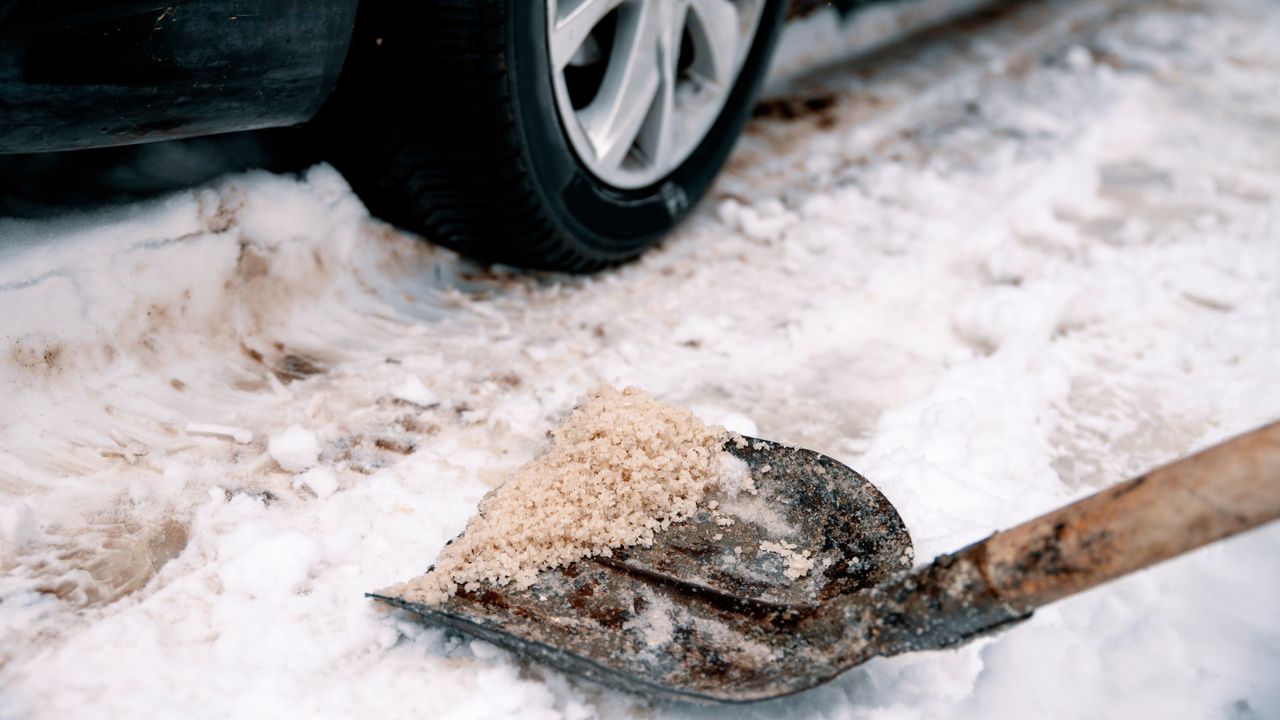
To achieve the best results, begin by clearing your driveway of loose snow, leaves, and debris using a shovel or a large outdoor broom. Once the surface is clear, apply a thin, even layer of salt using a garden shovel, spade, or container. For an average-sized driveway, approximately 15 ounces of salt should suffice. Pay special attention to areas that accumulate ice more readily, and reapply salt as necessary.
Importantly, be cautious about the quantity of de-icing salt used. Overapplication can lead to negative effects on both the driveway and the surrounding environment. Homeowners should also ensure they wear appropriate footwear and clothing when navigating icy surfaces to prevent slips and falls.
With these insights in mind, you can effectively manage ice on your driveway, ensuring safety for yourself and others during the challenging winter months. For more tips and updates on winter maintenance, consider following credible sources like Tom’s Guide, which provides ongoing news and analysis.
















