









































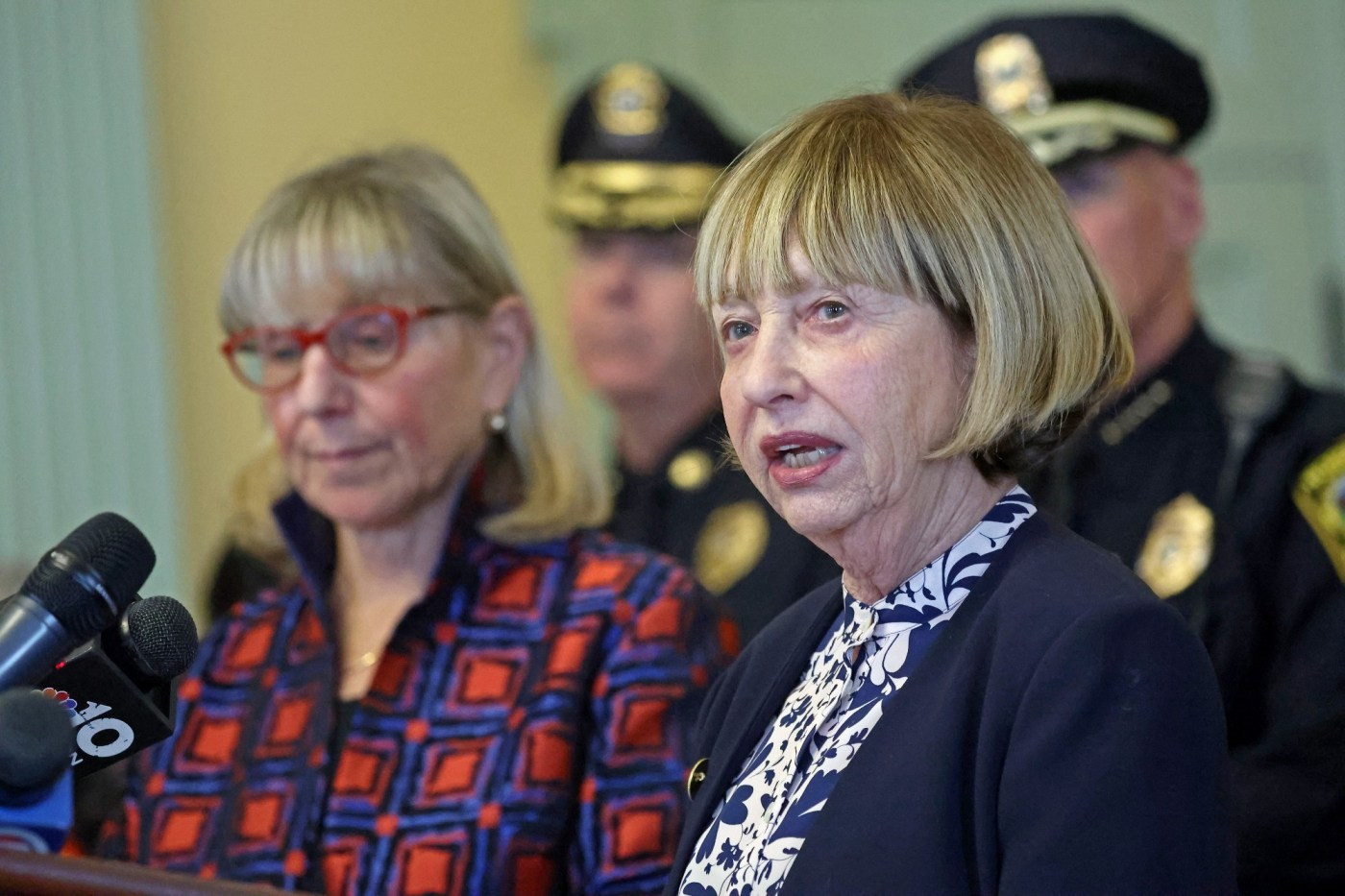
State Senator Cynthia Stone Creem has introduced legislation aimed at reducing personal vehicle miles in Massachusetts to align with the state’s climate objectives. Known formally as “An Act Aligning the Commonwealth’s Transportation Plan with its Mandates and Goals for Reducing Emissions and Vehicle Miles Traveled,” the bill has faced significant scrutiny, with critics arguing it represents an unwarranted government intrusion into personal mobility.
Supporters of the bill claim it will enhance public transportation options and address the emissions produced by private vehicles, which are identified as a major source of pollution. In a statement to the *Boston Herald*, Stone Creem emphasized that the “Freedom to Move Act” aims to invest in diverse transportation options, including roads and cleaner alternatives like trains and buses. “It does not in any way limit people’s choices about how to get around. It does not impose fines, penalties, or taxes on drivers. In fact, it gives people more choices,” she asserted.
Despite these assurances, the bill’s provisions appear to contradict its name. According to the legislation’s summary, the Massachusetts Department of Transportation (MassDOT) would be tasked with establishing goals for reducing the total distance residents can travel in personal vehicles. This mandate could significantly impact individual driving habits statewide.
Legislation Details and Reactions
Beyond setting travel reduction goals, the proposed legislation would prevent MassDOT from approving transportation plans that do not align with these targets. The bill has garnered support from various stakeholders, including environmentalists and analysts. Kevin Shannon, an analyst with the Union of Concerned Scientists, described the bill as essential for bridging the gap between climate goals and the state’s transportation policies.
While the bill represents a new approach to reducing vehicle use, it also raises concerns about equity. Michael Barrett, a Democratic state senator and committee co-chair, expressed apprehensions that limiting driving miles would disproportionately affect residents in rural areas, where longer commutes are common. “I do worry about an unintended and subtle bias against rural Massachusetts,” Barrett stated, acknowledging the challenges faced by those living in less urbanized regions.
Stone Creem addressed these concerns by indicating that the legislation allows for “regional flexibility,” aiming to accommodate varying commuting needs across the state.
Impact of Changing Work Patterns
The context of the bill’s introduction is further complicated by the lasting effects of the COVID-19 pandemic on work habits. Data from TD Bank Group indicated a significant rise in commercial vacancy rates in Boston, reaching 15.1% in the third quarter of 2025. This represents an increase of 114% compared to pre-pandemic levels in 2019. Additionally, a survey conducted by the Greater Boston Chamber of Commerce revealed that 85% of businesses have adopted hybrid work models, with most employees only in the office three days a week.
These shifts suggest that vehicle miles have already seen a substantial decline due to remote work, rather than solely through environmental initiatives. The state has not fully integrated this change into its transportation planning, particularly as it pertains to the limited public transit options available in many areas, particularly in western Massachusetts.
In summary, while the legislation aims to promote environmental sustainability, it raises critical questions about its implications for rural communities and the evolving nature of work in the post-pandemic landscape. As Massachusetts navigates its climate goals, the balance between reducing vehicle miles and accommodating diverse commuting needs will be vital for the success of this initiative.
















