



























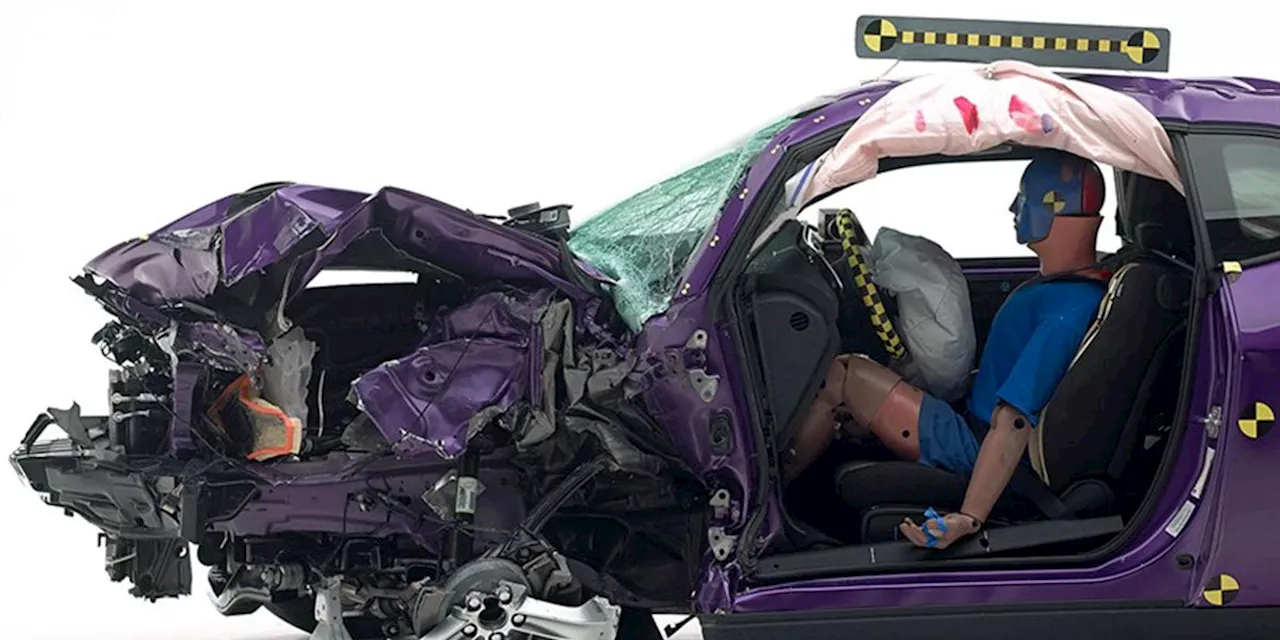









A class-action lawsuit has been filed against FCA US, LLC, and Lear Corporation, alleging that the electric front-seat height adjusters in approximately two million Dodge and Chrysler vehicles may fail during low-speed rear-end collisions. The case, titled Richard and Evelyn Alexander v. FCA US LLC, et al., was submitted to the U.S. District Court for the Northern District of Texas and includes models such as the 2011–2023 Dodge Charger, Dodge Challenger, and Chrysler 300, as well as the 2011–2017 Chrysler 200 and 2013–2016 Dodge Dart.
The plaintiffs contend that the powered seat-height mechanism can collapse upon impact, potentially altering occupant positioning during a crash. This lawsuit has gained attention for alleging a broader conspiracy to conceal the defect, which is less common in such legal actions. Despite the serious nature of the claims, they remain unverified as the court has yet to rule on the case.
According to the lawsuit, the seat adjuster design is conventional, employing a motor, gearbox, threaded shaft, and a welded bracket. The plaintiffs assert that their testing indicates the weld, rather than the motor or gearing, represents the weak point. Under normal conditions, the adjuster experiences vertical loads from the weight of occupants. However, during a rear-end collision, forces shift in a manner that concentrates stress on the weld, potentially leading to deformation or failure.
The lawsuit clarifies that the seat does not detach from the vehicle floor; instead, it can collapse downward, which may cause a sudden change in seating position. Such a shift could impact the geometry of seat belts and the alignment of airbags, adversely affecting occupant safety. The complaint suggests that the risk increases with higher seat adjustments, as this position creates additional leverage on the mechanism during an impact.
While the legal claims are significant, the lawsuit lacks critical supporting evidence, such as failed federal crash tests or any recalls related to the issue. The plaintiffs’ assertions are primarily based on tests commissioned by their attorneys, leaving the case in its early stages. It will need to clear initial motions and achieve class certification before moving into the discovery phase.
As this legal battle unfolds, the implications for consumer safety and corporate accountability could be profound, particularly given the scale of the vehicles involved. The outcome may set important precedents for how automotive safety issues are addressed and disclosed to the public.