









































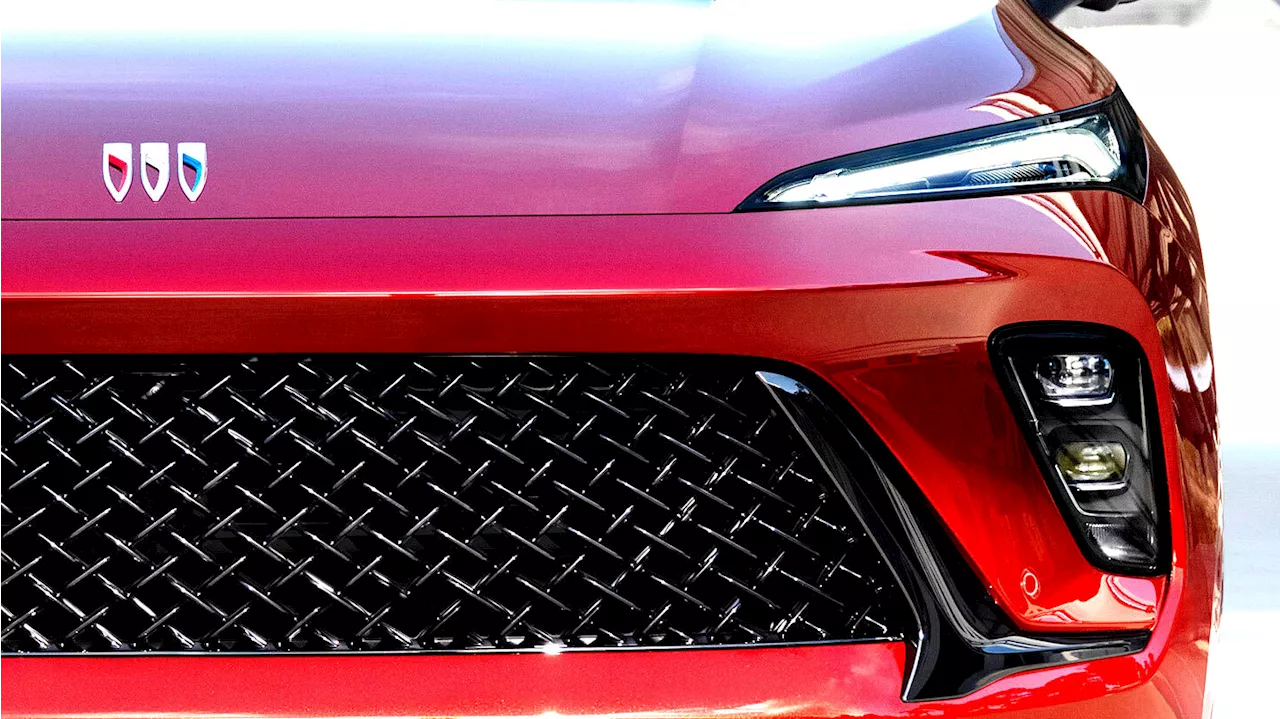
General Motors (GM) has announced a significant shift in its production strategy, relocating the manufacturing of the third-generation Buick Envision from China to the United States. This change will see the new model produced at the Fairfax Assembly plant in Kansas City, with production scheduled to commence in 2028.
The decision comes in response to increased tariffs imposed during the Trump administration, which heavily impacted the sales of the Chinese-built Envision. Following a series of price hikes, including a recent increase of $3,000, the starting price for the 2026 model has now reached $41,000 before a $1,995 destination fee. This pricing strategy has contributed to a marked decline in sales, particularly in the fourth quarter, where sales plummeted by 60.9 percent.
Despite these challenges, the Buick Envision remained the third best-selling vehicle for the brand, accounting for over 20 percent of its total annual sales of 198,155 deliveries. However, GM’s latest statement indicates that the current model’s sustainability is in question. The company confirmed that they will “onshore production of the next-generation Buick compact SUV,” which aligns with their broader strategy to strengthen domestic manufacturing and support U.S. jobs. This strategy builds on the $5.5 billion in new investments GM announced across its U.S. manufacturing sites over the past year.
The upcoming transition also marks the end of the Chevrolet Bolt, which GM plans to phase out in favor of the Equinox starting in 2027. Although the Bolt was recently relaunched, it has been described as a “limited run model,” indicating that its production will not extend beyond this period. The new Buick Envision, set to follow the Equinox by a year, may share components with the Chevrolet model, although specific details are yet to be confirmed.
In summary, GM’s decision to shift production of the Buick Envision signifies a strategic pivot in response to market pressures and aims to bolster domestic manufacturing capabilities. As the company adapts to changing economic landscapes, this move reflects a commitment to enhancing its operational base within the United States while navigating the complexities of international trade and tariffs.
















