






































Sales of electric vehicles (EVs) have surged globally by 21% this year, but North America has experienced a contrasting trend with a 1% decline. According to data from supply chain firm Benchmark Mineral Intelligence, the US market sold approximately 1.7 million EVs between January and November 2024, lagging far behind China’s 11.6 million and Europe’s 3.8 million EV sales.
The downturn in North America is attributed to various factors, including recent policy changes, tariffs, and the conclusion of the $7,500 EV tax credit in September 2024. Ford CEO Jim Farley has voiced concerns over the future of EV sales, predicting that the market share for electric vehicles in the US could shrink to around 5% in the near term. This sentiment reflects a growing alarm among US automaker executives regarding slowing demand.
In contrast, China continues to lead the global market for electric vehicles. The country saw a 19% increase in overall EV sales this year. While BYD, China’s largest EV manufacturer, has faced challenges from local startups, it achieved a record for EV exports in October 2024. This robust performance emphasizes the resilience of the global EV market, despite regional disparities.
Challenges for US EV Manufacturers
The situation in North America is exacerbated by the termination of incentives that previously stimulated demand. The Trump administration relaxed regulations aimed at encouraging the transition to electric and hybrid vehicles, contributing to the current market conditions. The end of the tax credit has been particularly detrimental, leading to what Benchmark Mineral Intelligence describes as “subdued” sales figures in the US.
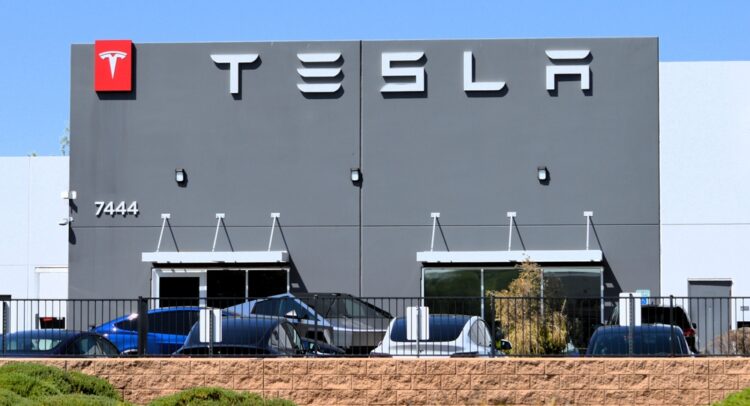
Elon Musk’s Tesla, despite experiencing a rocky year in key markets, managed to mitigate the October sales drop more effectively than its competitors, according to data from Cox Automotive. Nevertheless, Tesla faces an urgent need to reverse a potential second consecutive year of declining sales. Other American manufacturers, such as General Motors and Rivian, have also been impacted by the sluggish demand, prompting both companies to announce layoffs in recent months.
Global Trends and the Future of EVs
Globally, the outlook for electric vehicles remains optimistic. Charles Lester, data manager for Rho Motion, the Benchmark subsidiary responsible for the report, stated, “Overall, EV demand remains resilient, supported by expanding model ranges and sustained policy incentives worldwide.” This highlights a notable divergence between the US market and international trends.
As the global EV landscape evolves, the challenges faced by North American manufacturers underscore the importance of policy frameworks that support the transition to electric mobility. With international markets thriving, US automakers will need to adapt to regain competitiveness in the rapidly changing automotive industry.