









































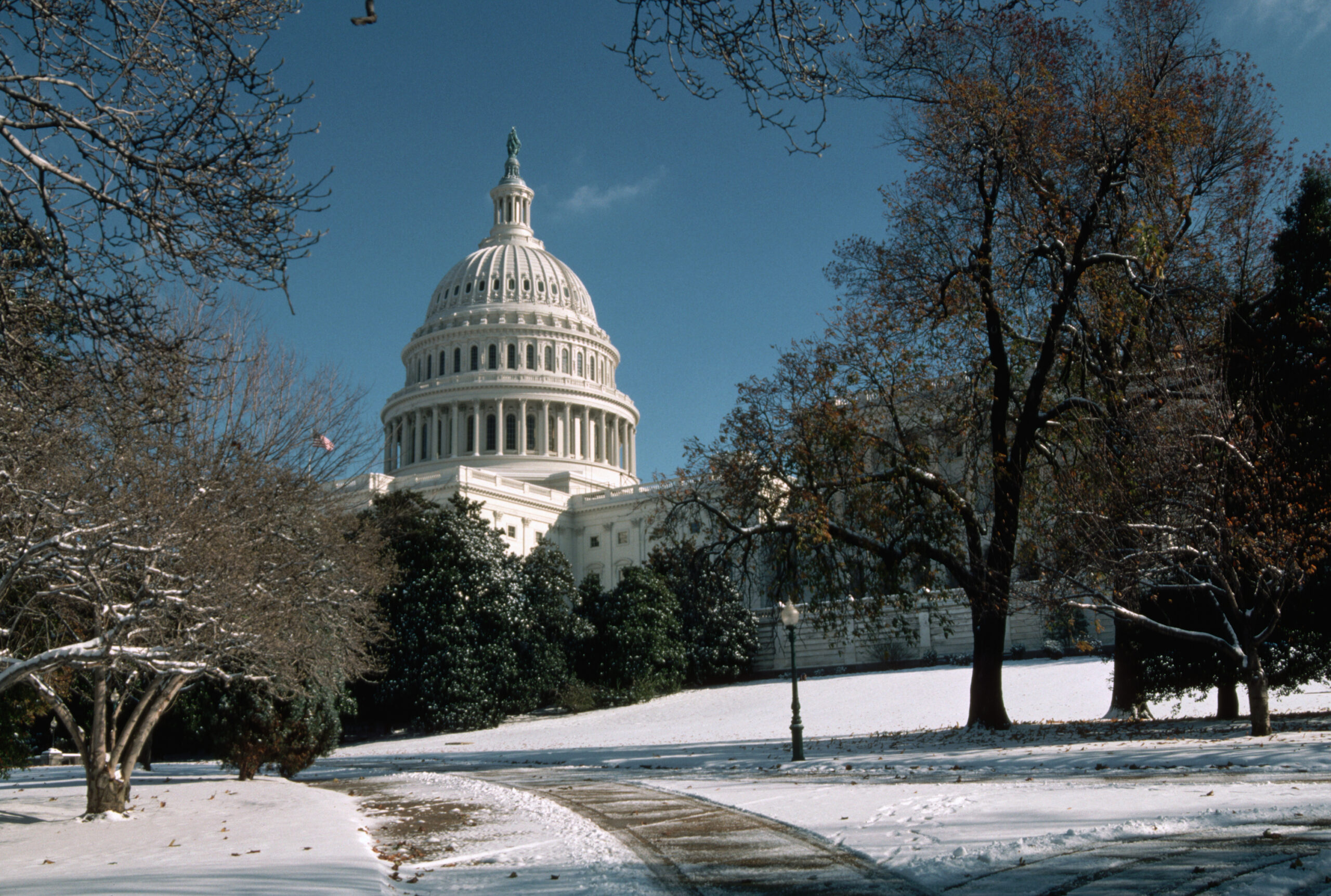
The U.S. government is approaching a crucial deadline on January 30, 2024, to finalize an agreement on federal spending for the current fiscal year, which commenced on October 1, 2023. Failure to reach a consensus by this date could lead to a partial federal government shutdown, impacting various programs, including those related to federal contracting at Georgia Tech.
Georgia Tech’s Response Strategy
Kim Toatley, vice president for Finance and Planning and chief financial officer at Georgia Tech, expressed confidence in the institution’s preparedness for such eventualities. “We actively plan for these types of situations, and the Institute is well-positioned in the short term,” Toatley stated. She acknowledged the uncertainty these situations create, particularly for individuals whose work and research rely heavily on federal funding.
In light of the potential for a partial shutdown, Georgia Tech’s leadership is focused on minimizing disruption for students, faculty, and staff. Toatley reassured stakeholders that the administration is committed to managing the fallout effectively, should the situation arise.
Monitoring and Mitigation Measures
Executive leadership at Georgia Tech is closely monitoring the evolving situation, supported by a cross-functional working group. They are ready to implement strategies aimed at maintaining operational continuity during a shutdown. Similar to past occurrences, these strategies may involve expediting federal invoicing, closely monitoring cash balances, and evaluating the necessity of deferring certain purchases, hiring, and non-essential travel.
To keep the community informed, the Federal Shutdown Resources webpage will be updated regularly as new information becomes available. This effort aims to provide transparency and support to those who may be affected by the potential funding disruptions.
As the deadline approaches, Georgia Tech remains proactive in addressing the challenges that could arise from a partial federal government shutdown, emphasizing its commitment to the academic community and the importance of federal funding in sustaining research and educational initiatives.
















