









































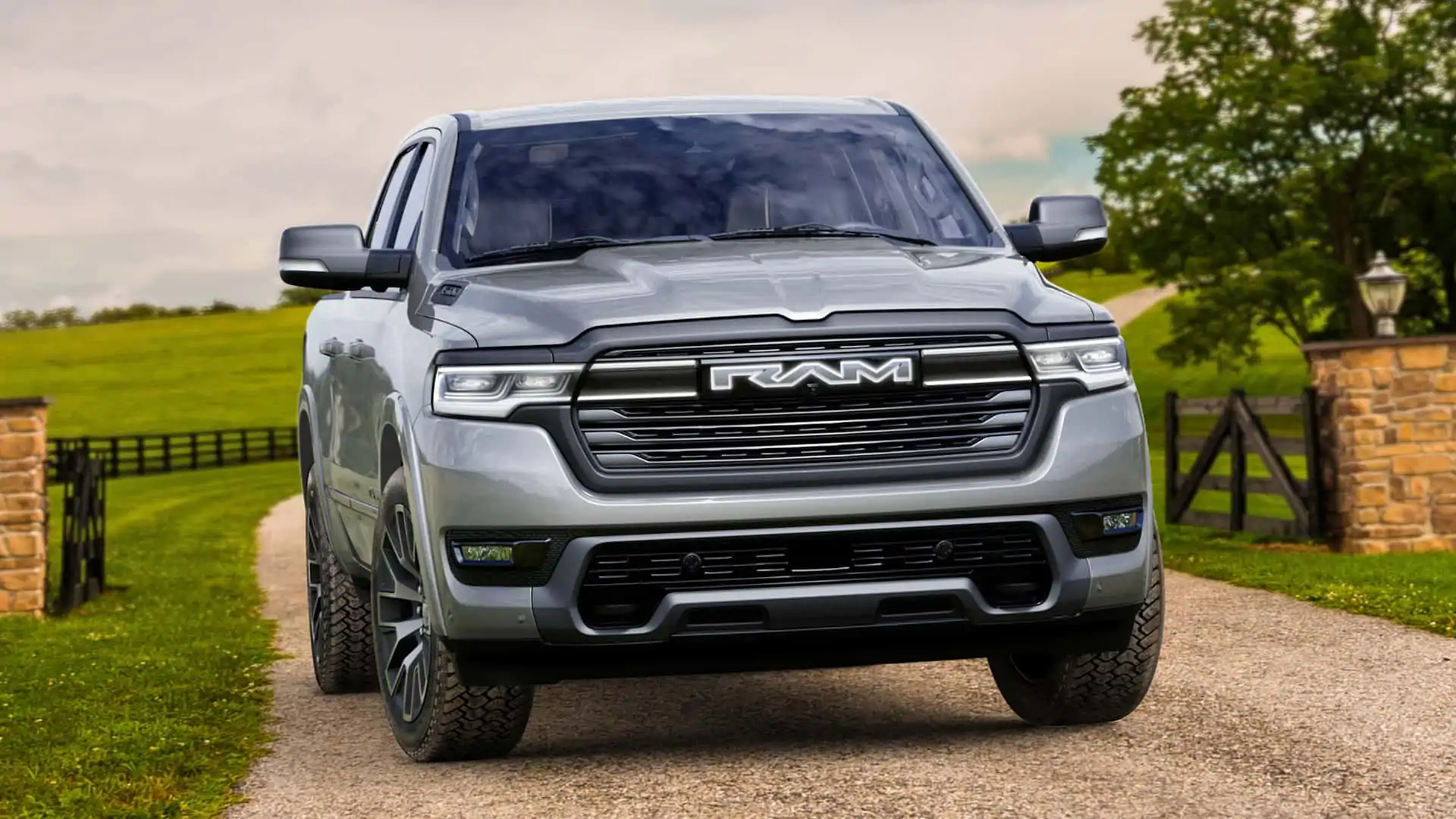
As the automotive landscape shifts in the United States, a new category of vehicles is poised to gain traction: extended-range electric vehicles (EREVs). With the once-appealing $7,500 federal tax credit fading into the background, EREVs promise to alleviate concerns related to range anxiety and charging infrastructure. By employing a combustion engine solely as a generator, these vehicles offer a unique blend of electric efficiency and traditional fueling convenience.
EREVs maintain the core characteristics of electric vehicles (EVs), yet include a combustion engine that charges the battery while driving. This configuration eliminates the need for continuous access to charging stations, providing flexibility for drivers who may encounter challenges in finding charging facilities. For instance, if a driver faces a long wait at a charging station or lacks access to a destination charger, they can simply refuel at a gas station.
The appeal of EREVs is gaining momentum among both consumers and manufacturers, especially as traditional EV sales have not met expectations. This article explores several EREVs that will debut in the American market between 2026 and 2027.
Upcoming EREVs in the U.S. Market
One of the first EREVs to enter the market will be the Ram 1500 REV, expected to hit production in the second half of 2026 as a 2027 model. Originally named the Ramcharger, the vehicle underwent significant changes after Stellantis, the parent company, shifted focus from a fully electric model to this extended-range version. Equipped with a 92-kilowatt-hour battery and paired with a 3.6-liter Pentastar V-6 engine, the Ram 1500 REV offers an estimated 145 miles of electric range and a total range of 690 miles with a full tank of gas.
In addition to the Ram 1500 REV, the Scout Motors Terra pickup and Traveler SUV are set for production at a new facility in South Carolina by late 2027. These models pay homage to the classic Scout vehicles from the 1960s, while featuring modern engineering. They will utilize a 63-kWh lithium-iron phosphate battery, providing an all-electric range of approximately 150 miles, with a combined range of around 500 miles when paired with the gas engine.
The Jeep Grand Wagoneer will also adopt EREV technology, boasting a 92-kWh battery and two electric motors, delivering a maximum output of 647 horsepower. Jeep claims it will be “America’s first range-extended electric vehicle,” with a combined electric and combustion range exceeding 500 miles.
More Brands Entering the EREV Market
Hyundai is preparing to introduce EREV models, with production expected to begin by the end of 2026. The company plans to implement a unique powertrain system that will enable four-wheel drive while using the gas engine solely for charging the battery. The anticipated driving range is over 560 miles when combining battery and gas.
Genesis, Hyundai’s luxury division, will also unveil an EREV SUV, expected to share the same platform and powertrain as its Hyundai counterpart. Both models aim for a production target of 80,000 units annually in the U.S.
Following the path of innovation, the Ford F-150 Lightning will return in an EREV format, addressing the towing challenges faced by electric truck owners. While specific details remain scarce, the new model is estimated to achieve over 700 miles of range.
Kia is also developing an EREV, potentially based on a 2.5-liter gas engine. Although details are limited, early indications suggest the model may be the Telluride SUV.
Other notable mentions include the Nissan Rogue, set to feature an updated e-Power system, which operates similarly to EREVs, and Volvo’s forthcoming plug-in hybrids that will offer enhanced electric range capabilities.
As automakers increasingly pivot towards EREVs, the market is likely to see a significant shift in consumer preferences. With a growing emphasis on range, flexibility, and reduced emissions, these vehicles represent a promising evolution in the automotive sector. As more details emerge, the transition towards a broader acceptance of this technology appears inevitable.
















