









































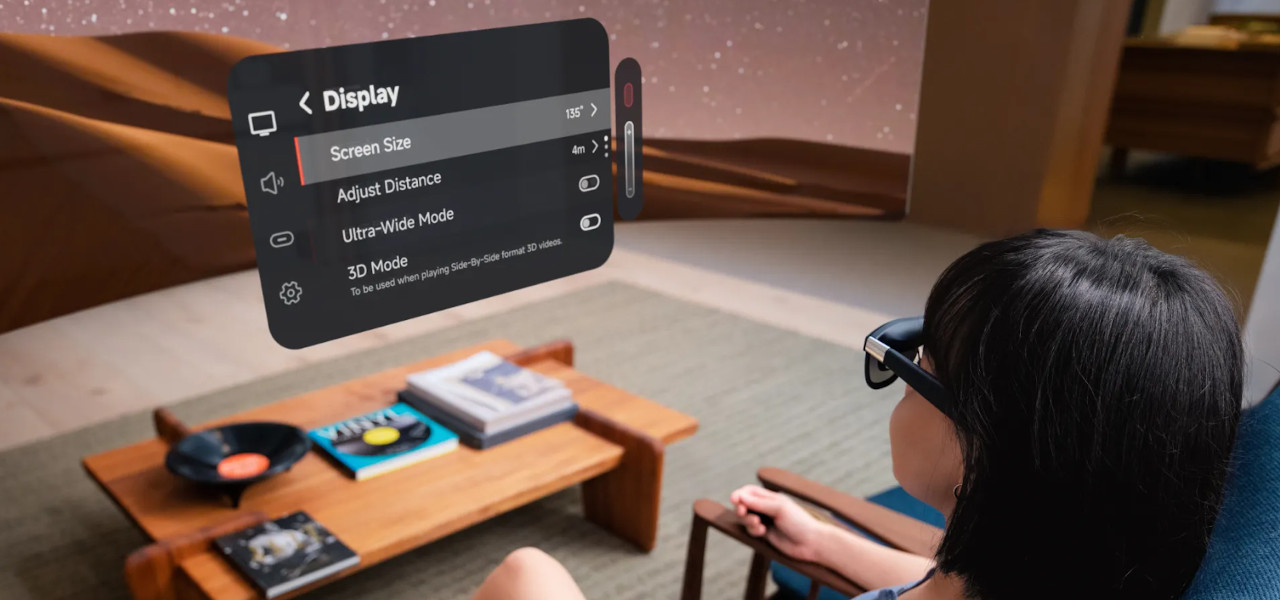
The discussion surrounding smart glasses has reignited as technology evolves, prompting questions about consumer readiness. In an article published by IEEE Spectrum, author Alfred Poor examines whether users are prepared to adopt augmented reality (AR) smart glasses, a significant shift from previous attempts like Google Glass, which launched in 2012 but struggled to find a compelling use-case. With the rise of augmented reality and artificial intelligence, the market is seeing renewed interest and innovation.
Competing Visions of Smart Glasses
According to Poor, the current landscape features two distinct products vying for consumer attention. The One Pro from Xreal in Beijing and AI Glasses from Halliday in Singapore represent different design philosophies and functionalities emerging in the smart glasses space. Each product aims to cater to varying consumer needs, highlighting the potential for AR technology to redefine how we interact with digital content.
The article emphasizes that while virtual reality (VR) seems to be falling out of favor, augmented reality is gaining traction. Incorporating higher levels of artificial intelligence into smart glasses could create a more immersive experience, aligning with the demands of modern users.
Expert Insights and Future Predictions
In a conversation with Louis Rosenberg, CEO and chief scientist of Unanimous AI, Poor highlights predictions that within five years, AR glasses powered by AI could supersede smartphones as the primary mobile device. Rosenberg’s assertion underscores the transformative potential of this technology, suggesting that the way we communicate and interact with the digital world may change fundamentally.
“Immersive AI-powered glasses will replace the smartphone as the primary mobile device in our digital lives,” said Rosenberg.
While predictions about technology can be challenging, the enthusiasm surrounding smart glasses remains palpable. Consumers are invited to reflect on their own readiness and interest in adopting this emerging technology. As AR continues to evolve, it will be crucial to observe how these innovations impact daily life and consumer behavior.
For those interested in further exploration of the smart glasses landscape, additional articles delve into topics like the potential for smart glasses to detect surroundings and the development of open-source operating systems for augmented reality devices. The ongoing dialogue about smart glasses illustrates a vibrant intersection of technology and consumer interest, paving the way for future advancements.
















