









































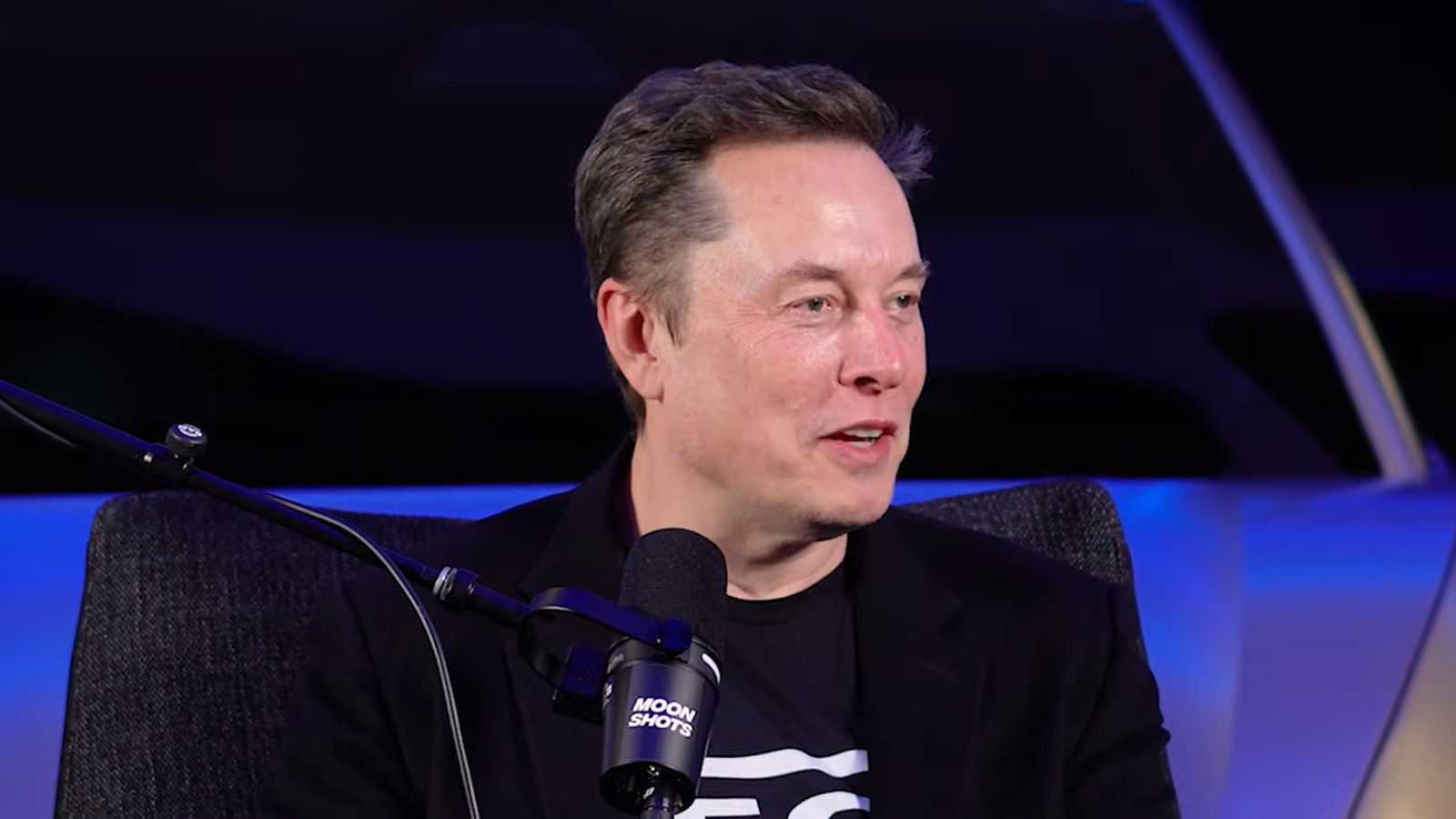
During a recent appearance on the podcast hosted by Peter R. Diamandis, Elon Musk, CEO of Tesla, acknowledged that China is outpacing the United States in the electric vehicle (EV) sector. Musk noted, “It seems like China listens to everything I say and does it,” although he quickly added, “or they’re just doing it independently.” His comments reflect a growing recognition of China’s substantial advancements in EV production.
China produced over 70% of global EVs in 2025, leaving other regions trailing. Notably, the Chinese manufacturer BYD surpassed Tesla in sales, delivering 2.25 million battery electric vehicles compared to Tesla’s 1.64 million. Despite a decline in domestic sales, attributed to a saturated market, BYD’s international sales continue to rise, targeting countries such as the U.K., Brazil, and Mexico.
Musk also emphasized the importance of battery power across various sectors beyond just EVs. He stated that battery storage enables electricity to be accumulated during low-demand periods and utilized during peak times. This capability enhances the efficiency of the power system and increases the overall energy output throughout the year. Tesla’s Megapack, a large-scale battery storage solution, aims to make sustainable energy more accessible and affordable.
In this context, Musk acknowledged China’s significant lead in battery production, noting that the country has a “really massive battery pack output.” China is currently the largest producer of lithium-ion batteries, essential not only for electric vehicles but also for large-scale storage solutions. This dominance is the result of a comprehensive long-term strategy initiated in the early 2000s, which included government subsidies that made electric vehicles more affordable and reduced financial risks for manufacturers.
Although subsidies for electric vehicles largely ended in 2022, they remain available for consumers trading in older cars for new EVs. The initial government support played a crucial role in fostering rapid adoption of electric vehicles across China, leading to the impressive scale of its EV industry and enabling local brands to outpace Tesla in sales.
In contrast, the United States has relied more on consumer incentives and supply-chain conditions established after EV technology matured. This approach has not yielded the same cost and scale advantages that China has achieved. The federal EV tax credit of $7,500 was phased out in September 2025, resulting in a significant drop in EV sales and financial strains for manufacturers. Additionally, the Trump administration’s rollback of emissions standards has further complicated the landscape for cleaner vehicles.
Musk also highlighted China’s leadership in solar energy during the podcast. Data supports his assertion, showing that in the first half of 2025, China constructed significantly more solar installations than all other countries combined. Furthermore, most solar panels are produced in China, reinforcing the country’s position as a leader in sustainable energy solutions.
With its focus on electric vehicles, energy storage, and solar energy, China is actively engaging in the sectors Musk believes the United States must prioritize to remain competitive on the global stage.
















