









































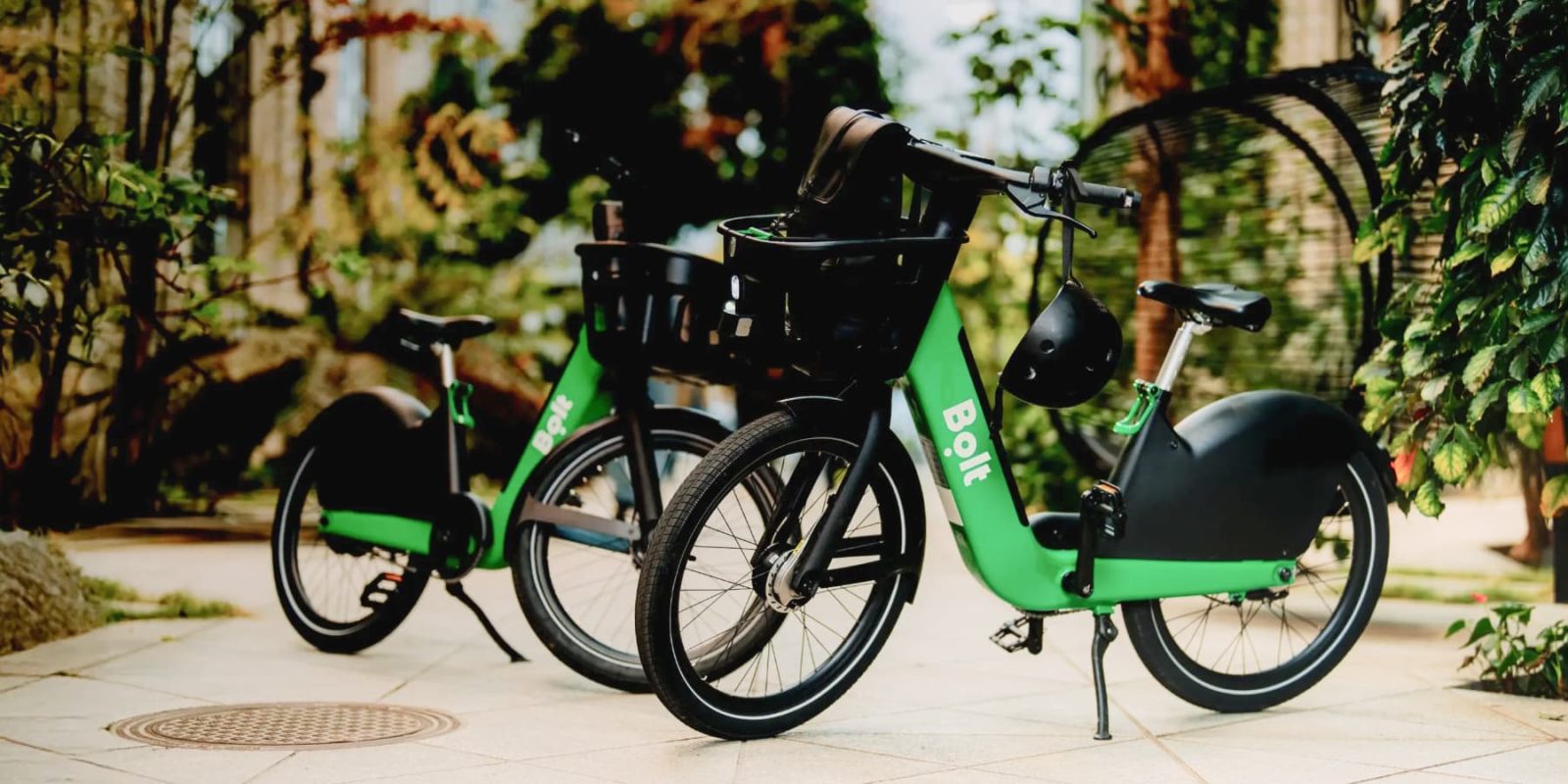
A significant conflict in London’s shared e-bike market has emerged, with allegations of sabotage disrupting operations. The ride-hailing and micromobility operator Bolt claims that rival e-bike companies are intentionally moving its parked bikes into illegal positions, resulting in their removal from the streets and incurring substantial fines.
According to The Times, Bolt alleges that its bikes are being manipulated by competitors in the Royal Borough of Kensington & Chelsea, a competitive area for e-bike parking. Companies like Lime, Forest, and Voi are all vying for limited space in designated shared e-bike stalls, creating a tense environment. Bolt has presented a dossier of evidence, including “before and after” photographs that purportedly show its bikes parked correctly at the end of a rental trip, only to be found later in illegal positions when photographed by council enforcement officers.
The issue escalates as improperly parked bikes can be impounded, costing £84.45 per incident (approximately US $115), not including daily storage fees. This financial burden quickly accumulates and removes the bikes from circulation. Bolt’s evidence, while often circumstantial, indicates a pattern where its e-bikes are shifted into illegal spots, coinciding with other operators’ bikes being parked correctly in previously occupied spaces.
John Buckley, a Bolt executive, stated that the company has documented “repeated instances” of bikes being displaced shortly after rentals, frequently surrounded by a significant number of competitor bikes. He suggested that “overdeployment” by these operators, which involves placing more bikes in shared bays than allowed, may be forcing Bolt’s bikes out of compliance. In 2022 alone, Kensington & Chelsea impounded over 1,000 rental e-bikes from various operators, generating more than £81,000 in charges.
The borough currently has 246 designated parking bays, each typically accommodating around 10 bikes. Yet, the fleet sizes of operators reportedly run into the thousands. For instance, Lime has been reported to have 1,440 bikes available in the borough, far exceeding its permitted limit of 600.
In response to the accusations, rival operators have denied any wrongdoing. Staff at both Forest and Voi assert that they are explicitly instructed not to interfere with competitor bikes. Similarly, Lime has denied claims of instructing its teams to overdeploy or manipulate the positioning of other operators’ bikes.
The Kensington & Chelsea council has stated it will continue to impound any bike that is parked dangerously or obstructing pavements, regardless of how it was positioned. This situation underscores a larger issue within the tightly regulated parking system in London, where high demand for curb space can lead to chaotic competition among operators.
While the aim of shared e-bikes and e-scooters is to promote clean transport and facilitate urban transit, the struggle for parking space in London has taken a troubling turn. The battle for curb space is revealing a darker side to the e-bike market, raising questions about fair competition and operational integrity.
















