



































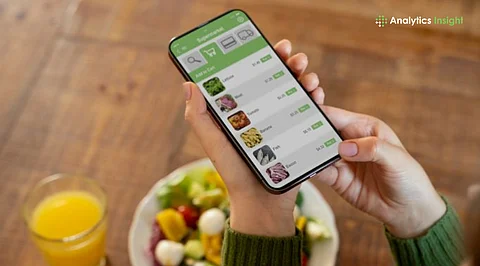
As people increasingly seek to improve their eating habits, a new generation of nutrition tracking apps is emerging for 2026. These applications are designed to offer more than just calorie counting; they provide accurate nutrient data, artificial intelligence (AI) logging, and insightful analytics. Popular tools such as Nourish, Cronometer, and MacroFactor cater to a range of needs, including expert guidance and precision tracking, allowing users to choose an app that aligns with their personal health goals.
The evolution of food tracking has transformed it from a tedious chore into a seamless part of daily life. Modern nutrition apps are now instrumental in shaping how millions approach their diets. They combine scientific databases with advanced automation, turning raw data into actionable insights that can significantly influence user behavior. With these tools, individuals gain a clearer understanding of how their meals fit into daily nutritional targets, promoting smarter eating habits.
Top Nutrition Apps to Consider
The latest nutrition-tracking apps have shifted their focus toward delivering verified food data and personalized experiences. They leverage databases curated by nutrition professionals and employ intelligent systems that adapt goals based on user activity and progress. This new standard differentiates basic calorie trackers from comprehensive platforms aimed at long-term health success.
Nourish stands out for users seeking professional support. The app connects individuals with nutrition experts who provide personalized feedback and meal plans tailored to specific goals. This comprehensive approach enhances user engagement and promotes healthier choices. The user-friendly design further facilitates meal logging and expert interaction.
On the other hand, Cronometer is recognized for its unmatched nutrient accuracy. The app tracks over 80 essential nutrients, allowing users to gain insights beyond simple calorie and macronutrient counts. Its database is sourced from reputable entities, ensuring reliability. The free version offers robust tracking features, while a premium option delivers in-depth analysis and progress reports.
For those preferring speed and convenience, Fitia leads the AI logging revolution. Users can log meals quickly through photos, voice commands, or brief entries, making the process less cumbersome. Fitia also provides personalized meal plans and tracks various health metrics, including body measurements and fasting periods, enhancing the user experience significantly.
MacroFactor is ideal for individuals focused on performance and body composition. The app employs algorithms that adjust calorie and macronutrient targets in real time, responding to shifts in weight and eating habits. This adaptability makes it particularly useful for users seeking precise control over their nutrition.
For a more straightforward approach, both the Simple App and Lose It! offer user-friendly interfaces for basic meal tracking. These apps are designed for those who prefer a less detailed experience, featuring extensive food databases and quick logging options that facilitate ease of use for beginners.
Noom takes a different approach by emphasizing behavioral changes and planning rather than merely logging calories. Through structured lessons and coaching, Noom helps users understand their eating habits and encourages healthier choices over time. This focus on education and personal growth can be particularly beneficial for individuals striving for lasting lifestyle changes.
The Future of Nutrition Tracking
As nutrition apps continue to evolve, they are increasingly incorporating features that connect with wearable devices, facilitating a comprehensive view of users’ dietary habits in relation to their daily activity levels and recovery needs. This integration marks a significant advancement in the field, allowing users to monitor their nutrition with greater precision and effectiveness.
The choice of a nutrition tracking app ultimately depends on individual priorities, whether that be accuracy, speed, professional guidance, or habit formation. With the right tool, users can navigate their dietary journey more easily and develop a deeper awareness of their nutritional choices.
Smart nutrition tracking is not just about counting calories; it is about fostering a connected and informed approach to eating. As these apps continue to refine their offerings, they empower individuals to make better dietary decisions, ultimately contributing to improved health outcomes.