









































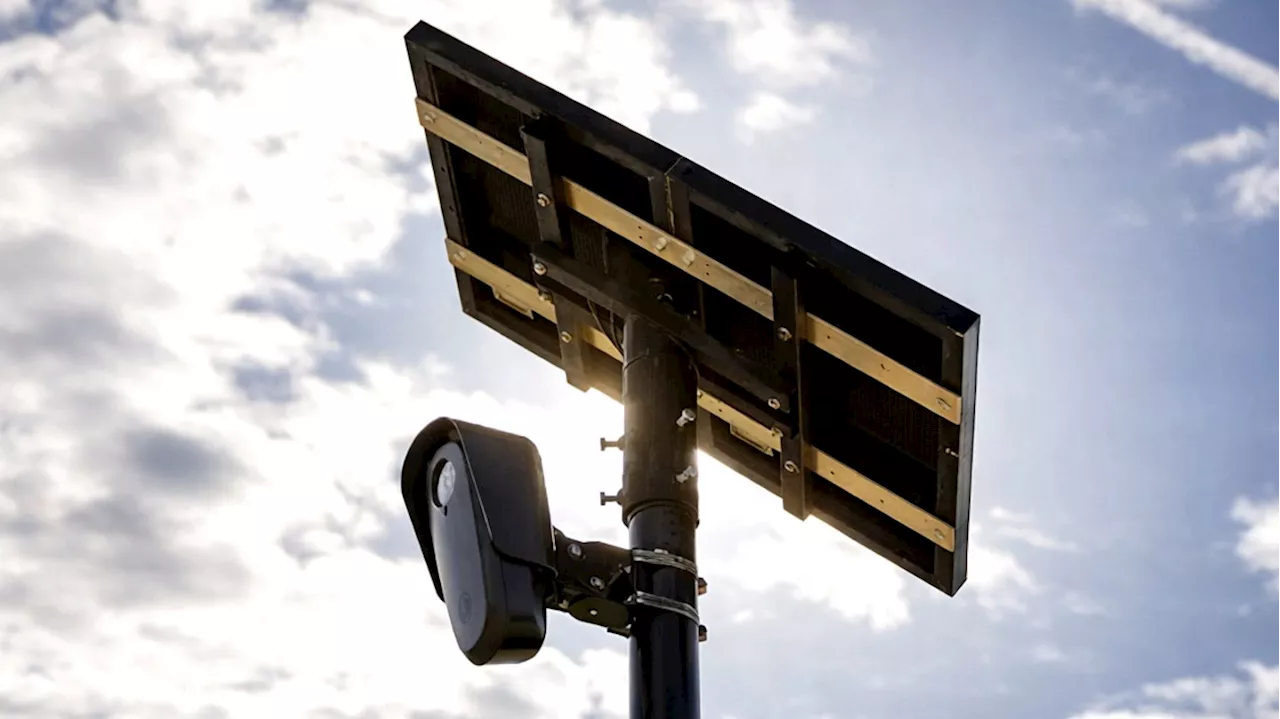
Connecticut has approved the installation of automated speed cameras in ten towns, with additional municipalities seeking to join the program. This initiative, part of a roadway safety law enacted in 2023, aims to enhance local traffic enforcement and potentially reduce speeding violations across the state. The towns currently permitted to implement these cameras include major urban centers such as New Haven and Middletown, as well as Fairfield, Greenwich, Milford, Stratford, Wethersfield, Beacon Falls, Marlborough, and Washington, which was the first town to receive approval in November 2024.
As municipalities prepare or await approval from the Connecticut Department of Transportation (DOT), the new program allows for automated tickets starting at $50, along with additional administrative fees in various towns. The process for implementing these cameras involves holding public hearings and submitting detailed safety plans outlining how the cameras will help reduce accidents and fatalities. Once an application is submitted, the DOT has 60 days to decide. If a proposal is rejected, municipalities receive feedback to make necessary adjustments before resubmitting.
West Hartford is among those closest to joining the approved list. The Town Council unanimously supported a speed camera plan encompassing 15 locations, with officials targeting a rollout by mid-2026.
Expanding Traffic Enforcement Measures
The initiative is not limited to speed cameras. East Hartford has adopted a broader ordinance that includes speed cameras, red-light cameras, license plate readers, and even drones. This approach has prompted discussions regarding privacy, particularly from organizations like the ACLU. To address these concerns, East Hartford’s ordinance restricts the retention of license plate images to 30 days, unless they pertain to ongoing investigations.
Under Connecticut law, automated speed cameras activate when vehicles exceed the speed limit by 10 mph. A photo of the vehicle’s license plate is then reviewed by law enforcement officials. If verified, a citation is issued to the registered owner. First offenses incur a fine of $50, while repeat violations cost $75, plus a typical administrative fee of $15.
Should the programs in Connecticut reflect the success of similar initiatives in states like Hawaii, Florida, and Indiana, the state could see a significant increase in revenue from these automated enforcement measures.
In summary, the expansion of automated speed cameras in Connecticut represents an effort to enhance road safety while also generating revenue for local municipalities. As more towns seek to adopt this technology, the full impact on both traffic enforcement and community safety will continue to unfold.
















