









































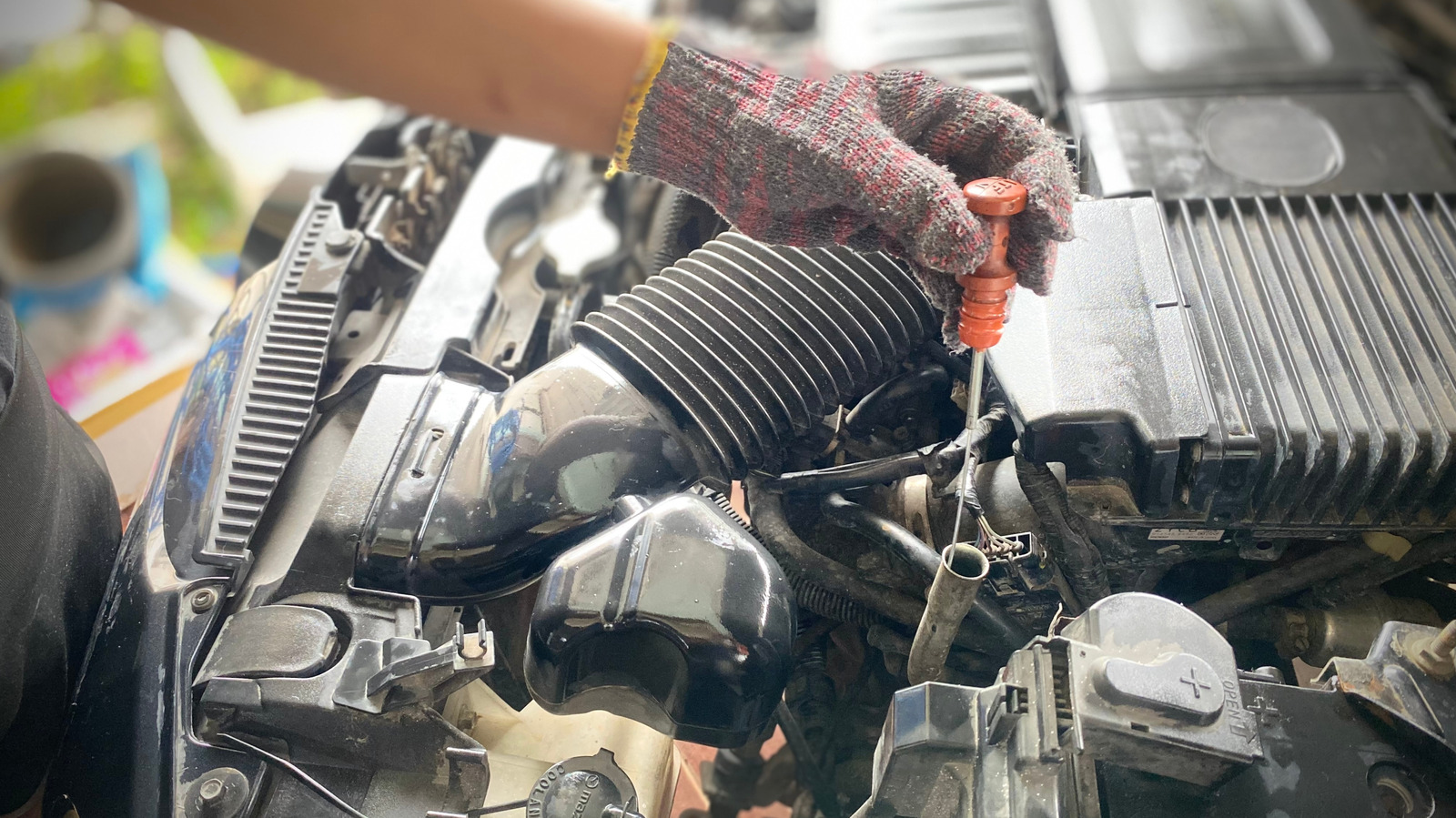
The automotive industry is witnessing a significant shift as car manufacturers increasingly remove transmission dipsticks from their vehicles. This change raises questions about maintenance and the implications for car owners, particularly those who prefer hands-on vehicle care.
Reasons Behind the Trend
The decision to eliminate the transmission dipstick stems from two primary considerations. First, many manufacturers aim to deter less mechanically-inclined owners from misusing the wrong transmission fluid, which can lead to severe damage. By removing the dipstick, they hope to reduce the risk of costly repairs. Second, without the need for a dipstick, manufacturers can design transmissions with tighter tolerances, which significantly diminishes the likelihood of leaks. While these transmissions are not completely leak-proof, the chances of common leaks occurring are notably lower.
Proponents also argue that removing the dipstick prevents the accumulation of dust and moisture during frequent checks. While this rationale applies equally to both a personal driveway and a busy service center, the potential for cost savings cannot be overlooked. Manufacturers can save on production costs by omitting dipsticks, which adds up significantly in mass production.
Impact on Maintenance and DIY Enthusiasts
The absence of a traditional dipstick may frustrate car enthusiasts who enjoy working on their vehicles themselves. Although this change typically necessitates more visits to dealerships for maintenance, it does not render vehicles completely maintenance-free. Service technicians now utilize an OBD scanner to evaluate fluid levels, which involves running the engine and transmission to ensure the fluid reaches a specific temperature range.
During this process, technicians remove a check plug to assess the fluid for viscosity, contamination, and discoloration. Ideally, a slight drip indicates proper fluid levels, while any overflow or lack of fluid flow calls for immediate corrective action. This often requires a refill through a filler plug, generally done with specialized equipment.
Modern advancements in transmission technology have greatly reduced the need for dipsticks. Sensors and software communicate with the vehicle’s ECU, constantly monitoring transmission conditions. Furthermore, the evolution of synthetic fluids allows for greater resistance to high temperatures, oxidation, and wear. As a result, many fluids in contemporary transmissions can last over 100,000 miles without issues.
Despite claims from automakers that these fluids are designed to last for the transmission’s lifetime, it is essential to recognize that all fluids will eventually degrade. Transmission manufacturers routinely recommend regular fluid changes, even though many drivers may go thousands of miles without immediate concerns.
In conclusion, the removal of transmission dipsticks represents a significant evolution in automotive design and maintenance practices. While this trend may reduce the DIY appeal for some car owners, it also reflects advancements in technology that prioritize efficiency and reliability. As the industry continues to evolve, understanding these changes will be crucial for both manufacturers and consumers alike.
















