























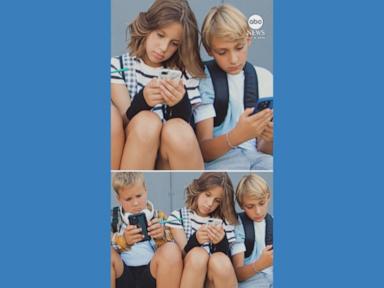













Australia has implemented a significant change in its social media landscape by officially banning children under the age of 16 from using social media platforms. This decision, which takes effect on December 9, 2025, aims to protect young users from potential online harms, including cyberbullying and inappropriate content.
The Australian Government has taken this proactive stance following extensive discussions about the impact of social media on mental health and development in children. In recent years, concerns have escalated regarding the influence of digital interactions on young people’s well-being. Officials believe that restricting access to social media can mitigate these risks and promote healthier online environments for children.
Legislation Details and Implementation
Under the new regulations, social media companies are required to verify users’ ages during the registration process. This measure places the responsibility on platforms to ensure compliance with the age restriction. The Australian Government has indicated that penalties will be imposed on companies that fail to adhere to these guidelines.
In a statement, Mark Butler, Australia’s Minister for Health and Aged Care, expressed support for the ban, stating, “This initiative is a necessary step towards safeguarding the mental health of our youth. We want to create a safer digital experience for children, allowing them to grow and develop without the pressures that often come with social media.”
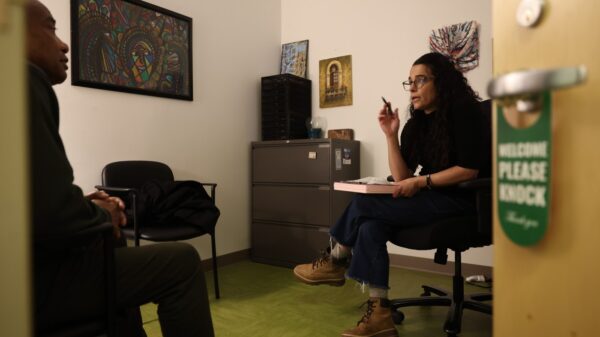
The ban is part of a broader strategy aimed at addressing the rising concerns around children’s mental health, particularly in the context of social media usage. Previous studies have highlighted the correlation between excessive screen time and mental health issues among young users.
Reactions and Future Implications
The announcement has sparked mixed reactions from various stakeholders. Some child advocacy groups have welcomed the ban, arguing it will help shield vulnerable youth from harmful online interactions. On the other hand, critics assert that the restriction may not effectively address the underlying issues related to mental health and social media.
Social media companies now face the challenge of adapting to these new regulations. Platforms such as Facebook, Instagram, and TikTok may need to invest in advanced age verification technologies to comply with the law. This situation raises questions about the balance between user privacy and safety, as well as the potential impact on user engagement and revenue.
Furthermore, the Australian Government’s approach may set a precedent for other nations grappling with similar concerns. As international dialogue on digital safety continues to evolve, this ban could influence future legislation in other regions aimed at protecting children online.
In conclusion, Australia’s decision to ban social media for children under 16 marks a pivotal moment in the ongoing discussion about digital safety and youth welfare. As the implementation date approaches, stakeholders will be keenly observing the effects of this policy on both children’s mental health and social media practices within the country.