



















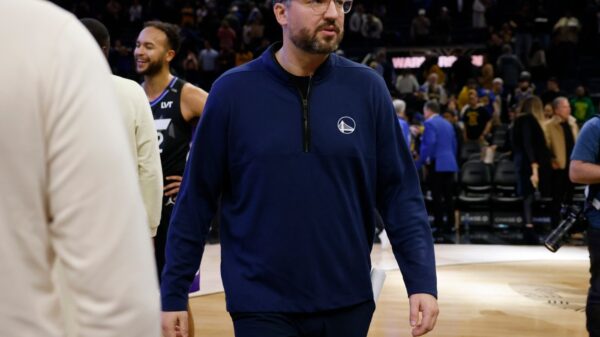

















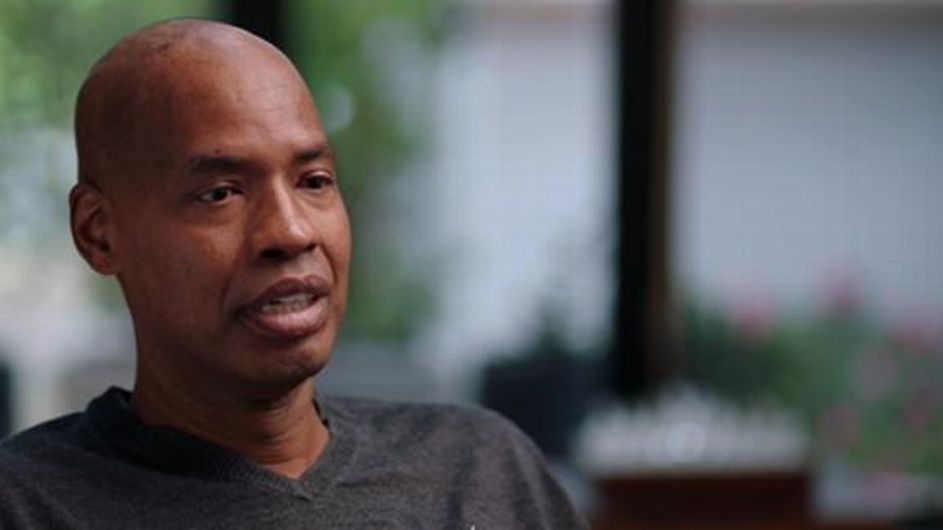
Jason Collins, the first active openly gay player in the National Basketball Association (NBA), publicly disclosed his diagnosis of Stage 4 glioblastoma, an aggressive form of brain cancer. In a heartfelt message, Collins shared the challenges he faces as he embarks on a fight against this life-threatening condition.
Collins, who played for six teams during his 13-year NBA career, began experiencing troubling symptoms earlier this year. In May, he celebrated his marriage to Brunson Green in Austin, Texas, a joyous occasion that soon turned into a period of uncertainty. By August, signs of illness became apparent as he struggled with focus and memory, ultimately leading to a visit to a medical facility.
At UCLA, a CT scan revealed the severity of Collins’s condition. In a matter of minutes, the medical staff referred him to a specialist, indicating that something was seriously amiss. Collins noted that within hours, he experienced a drastic decline in his mental clarity, likening his state to that of a character from “Finding Nemo.”
Understanding Glioblastoma
Glioblastoma is known for its rapid growth and the difficulty of treatment due to its location within the brain. Collins described his tumor as having a “multiforme” characteristic, spreading aggressively like a monster with tentacles. The biopsy confirmed the presence of glioblastoma, which in his case exhibited a growth factor of 30%. Without intervention, doctors estimated he could have as little as six weeks to three months to live.
Collins expressed his determination to fight back against the cancer, stating, “I have cancer, but just like my grandmother fought it, I’m going to fight it.” He recalls how his grandmother, given a grim prognosis, ultimately outlived expectations. This resilience fuels his current outlook as he begins treatment.
Treatment Journey
Upon receiving the diagnosis, Collins’s family took immediate action. They researched treatment options and consulted with medical professionals. He began receiving Avastin, a drug aimed at halting tumor growth, followed by radiation therapy. Remarkably, within days, he started to regain some clarity and mobility, allowing him to venture on short walks around his neighborhood.
Collins’s treatment also involves advanced therapies. He is currently enrolled in a clinical program in Singapore that utilizes targeted chemotherapy through a delivery mechanism known as EDVs. This innovative approach aims to bypass the blood-brain barrier and directly target the tumor cells. Collins hopes that this course of treatment will not only improve his condition but possibly contribute to future advancements in glioblastoma care.
A Focus on Advocacy
Throughout his career, Collins has been an advocate for LGBTQ+ representation, using his platform to raise awareness. He reflects on the impact of living authentically, stating, “Your life is so much better when you just show up as your true self.” As he confronts this new battle, Collins aims to continue inspiring others, emphasizing that his experience may help someone facing similar challenges in the future.
In sharing his journey, Collins acknowledges the emotional weight of his diagnosis. Conversations with family, particularly with his twin brother, Jarron, serve as a source of strength. Jarron urged him, “You have to fight. No matter what, you have to fight.”
Collins’s story is a testament to resilience in the face of adversity. He likens this struggle to his sports career, where challenges are part of the game. “These are the cards I’ve been dealt,” he remarked. “This is the challenge.”
As he navigates this unpredictable path, Collins is committed to fighting glioblastoma with all his might, ensuring that he does not go down without a battle. His approach blends hope, determination, and a desire to advocate for those who may face similar diagnoses in the future.