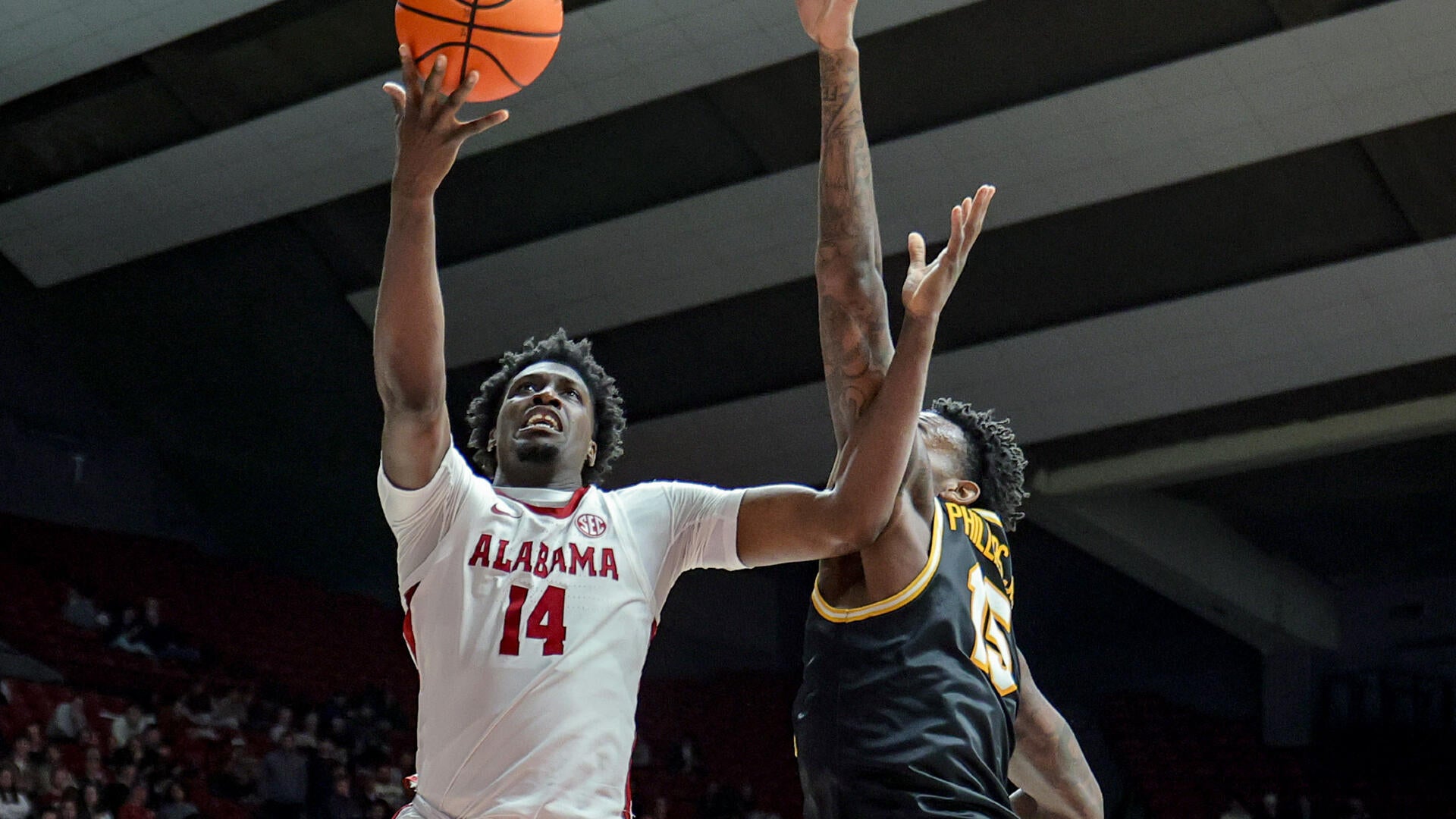
Alabama basketball player Charles Bediako is back with the Crimson Tide after a judge’s decision allowed him to compete, triggering debate over eligibility standards in college sports. The NCAA successfully filed a motion to recuse James H. Roberts Jr., the Tuscaloosa County judge who had previously issued a temporary restraining order permitting Bediako’s return. This order followed Bediako’s declaration for the 2023 NBA Draft before he played in the G League, raising questions about the integrity of eligibility rulings.
The NCAA’s concerns centered around a perceived conflict of interest, given that Roberts and his wife are listed as donors to the University of Alabama, contributing between $100,000 and $249,999. Despite not having played for Alabama since the 2022-23 season, Bediako made a notable impact in his return. In his first game back against Tennessee, he scored 13 points in 25 minutes, although Alabama lost the match. He followed that performance with 14 points and six rebounds in a 90-64 victory over Missouri.
The NCAA’s request for Roberts’ recusal did not allege bias but emphasized the “impermissible appearance of impropriety” due to the media scrutiny surrounding the case. Following the loss to Tennessee, Alabama dropped six spots in the AP Top 25 poll to No. 23. The ongoing debate over Bediako’s eligibility illustrates larger issues within NCAA regulations, especially as they face legal challenges.
Bediako’s situation is particularly complex. He last played for Alabama in 2023 and entered the NBA Draft while still maintaining his collegiate eligibility. Traditionally, the NCAA has allowed players to preserve their eligibility as long as they withdraw before the draft’s deadline. Bediako’s case diverges from this norm due to his signing of multiple NBA contracts, including a two-way contract with the San Antonio Spurs, which typically renders a player ineligible for college basketball.
The NCAA stated that Bediako’s signing of NBA contracts violated their eligibility rules, as detailed by Dan Gavitt, the NCAA’s senior vice president of basketball. Gavitt affirmed, “The NCAA has not and will not grant eligibility to any prospective or returning student-athletes who have signed an NBA contract.” Bediako’s legal team argues that he is still within the NCAA’s five-year eligibility window, which commenced when he enrolled at Alabama.
Darren Heitner, Bediako’s attorney, criticized the NCAA for what he described as “arbitrary and inconsistent enforcement” of eligibility standards. He highlighted the recent decisions that allowed other athletes with more professional experience to compete, suggesting a pattern of inequitable application of rules.
The controversy surrounding Bediako’s eligibility has drawn reactions from various coaches in college basketball. Florida’s Todd Golden openly disagreed with Bediako’s participation, asserting that it undermines the integrity of the competition. In contrast, Alabama’s head coach, Nate Oats, praised Bediako’s return, emphasizing his value as a rim protector and dynamic player for the team.
As the Crimson Tide prepares to face reigning national champion No. 19 Florida on October 29, 2023, the implications of Bediako’s case extend beyond his on-court contributions. The potential changes in eligibility standards could reshape the landscape of college basketball, raising questions about the NCAA’s regulatory authority and its ability to enforce its own rules.
The ongoing situation highlights the evolving nature of college athletics, where the lines between amateurism and professionalism continue to blur. Bediako’s case may not only influence his future but also set a precedent that could affect countless student-athletes navigating their paths between college sports and professional aspirations.