









































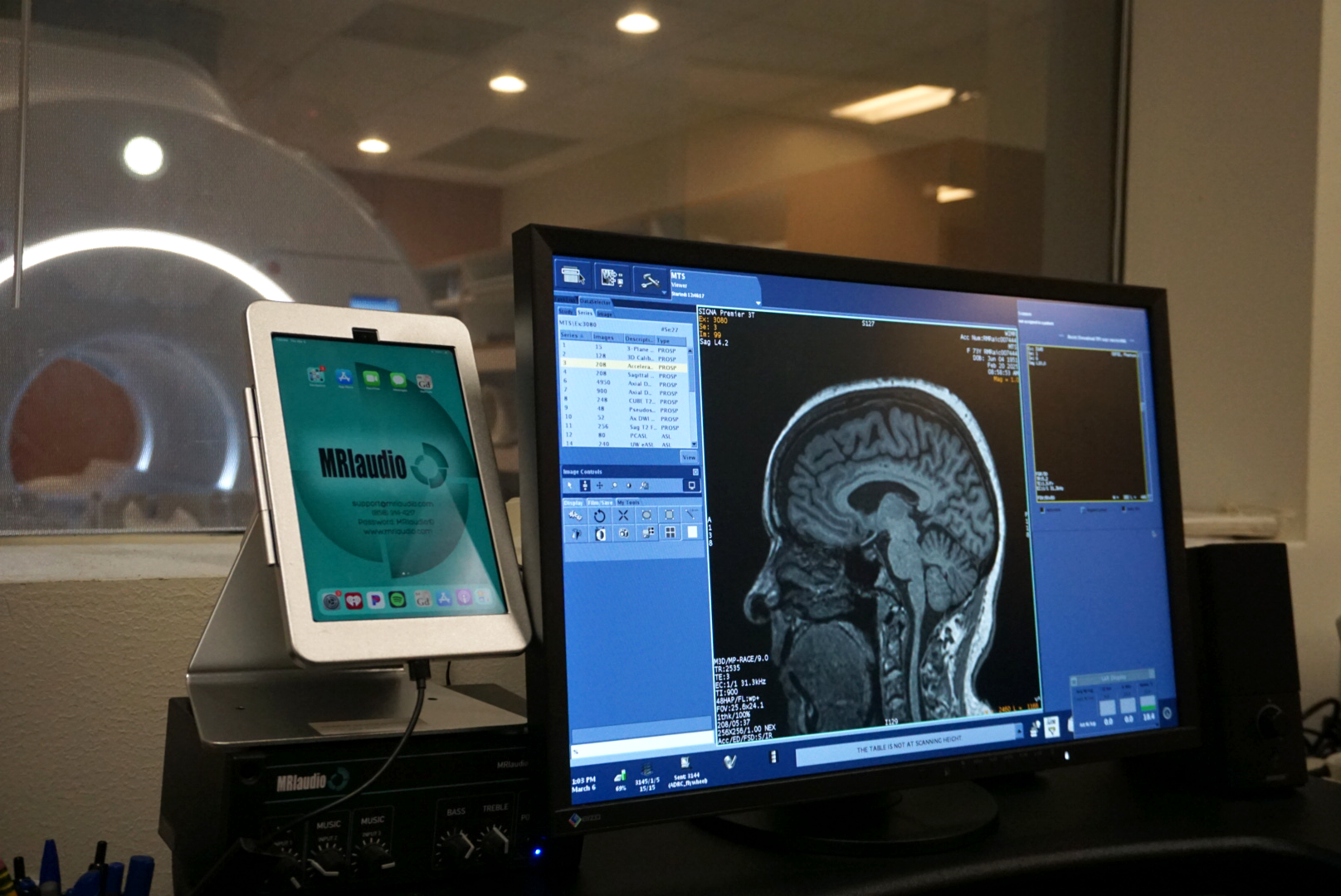
The University of Wisconsin (UW) has embarked on a significant clinical trial aimed at enhancing breast cancer screening through the application of artificial intelligence (AI). With a budget of $16 million, this multi-institutional study seeks to determine the effectiveness of AI in assisting radiologists during mammography screenings. The trial is grounded in the hypothesis that AI can identify imaging features often missed by the human eye, potentially leading to improved detection rates for breast cancer.
According to Dr. Christoph Lee, professor and vice chair of research in the UW Department of Radiology, breast cancer remains the leading cause of cancer among women and the second leading cause of cancer-related deaths. Each year, approximately 40 million women in the United States undergo screening mammography, with current detection rates standing at around 87%. Despite this, Dr. Lee notes that about one in eight cancers present are still missed during screenings, underscoring the need for advanced tools.
AI’s integration into mammography is not new; computer algorithms have been utilized for breast cancer diagnostics since the 1990s. Dr. Mai Elezaby, chief of the Breast Imaging Section at UW, points out that by the early 2000s, computer-aided detection (CAD) was commonly employed to analyze mammography images and flag areas for further review. However, early CAD systems faced challenges, as their lack of robust testing resulted in decreased diagnostic accuracy. Consequently, reimbursement for CAD algorithms was halted in 2016.
As AI technology has evolved, new deep learning algorithms have emerged, demonstrating significant improvements in performance compared to older models. Dr. Elezaby emphasizes that the current trial aims to ensure that these advanced AI tools can effectively enhance cancer detection rates while minimizing false positives. The FDA has already cleared some AI technologies, with initial studies indicating positive outcomes in cancer detection.
Despite the promising potential of AI, both Dr. Lee and Dr. Elezaby caution against over-reliance on technology. The trial is designed to explore the balance between AI assistance and the radiologists’ expertise. Dr. Lee warns that excessive false positives could lead to unnecessary procedures, causing undue stress and anxiety for patients.
The research conducted at UW also aims to investigate the phenomenon of automation bias, where experienced radiologists may inadvertently trust AI recommendations over their own training and instincts. This trial plays a crucial role in understanding both the advantages and the limitations of AI in clinical settings.
The implications of successful AI integration into breast cancer screenings could be profound. Dr. Lee highlights the importance of improving early detection, stating, “Everyone knows somebody that’s been affected by breast cancer. If we can enhance the ability for women to be detected earlier, that’s one of the biggest public health benefits we can achieve.”
In light of these developments, UW continues to invite students interested in biomedical fields or computer sciences to explore research opportunities related to AI. The university’s initiative positions it at the forefront of a transformative period in medical imaging, reflecting a growing trend toward the incorporation of AI in healthcare.
















