





































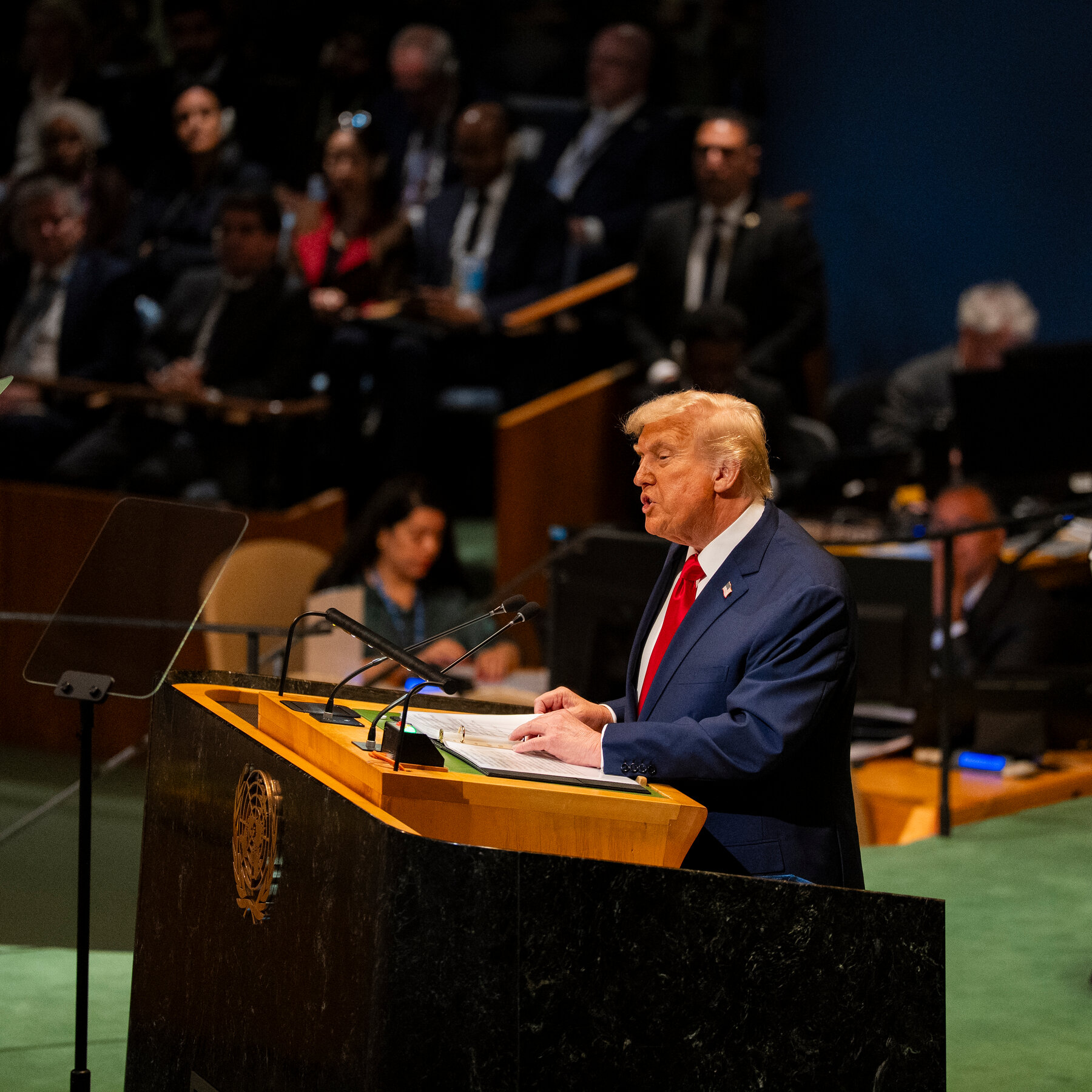
Former President Donald Trump officially withdrew the United States from the Paris Climate Accord on November 4, 2020, a move that has significant implications for global efforts to combat climate change. The Paris Agreement, adopted by nearly every nation in 2015, aims to limit global warming to well below 2 degrees Celsius above pre-industrial levels and to pursue efforts to limit the temperature increase to 1.5 degrees Celsius.
The withdrawal reflects Trump’s long-standing skepticism towards international climate agreements, which he has argued undermine the U.S. economy. In his announcement, he stated, “We are withdrawing from the Paris Accord because it is very unfair to the United States.” This decision sparked immediate reactions from environmental advocates and world leaders, who expressed concerns over the potential setbacks in climate progress.
Future Challenges for Climate Action
One of the most pressing consequences of this withdrawal is the potential difficulty for future administrations to rejoin the accord. The process of re-entering the agreement could be complex and time-consuming, involving negotiations with other signatories and a reassessment of the commitments made by the United States. Experts warn that this could hinder the necessary collaborative efforts to address climate change effectively.
According to the United Nations, the global response to climate change is critical, as the effects of warming are already evident across the globe. The absence of the U.S., one of the world’s largest emitters of greenhouse gases, raises concerns about the overall effectiveness of the agreement. In 2019, the U.S. emitted approximately 5.1 billion metric tons of carbon dioxide, accounting for about 15% of global emissions.
Global Reactions and Future Outlook
Internationally, the decision has been met with disappointment and criticism. Leaders from various countries emphasized the importance of collective action in combating climate change. French President Emmanuel Macron stated, “There is no planet B,” underscoring the need for urgent action despite the U.S. withdrawal.
The long-term implications of this decision may extend beyond just environmental impacts. Economically, opportunities in renewable energy sectors could be affected as the U.S. diminishes its role in global climate leadership. As more nations focus on sustainable practices, the U.S. risks falling behind in markets related to green technology and sustainable energy.
Despite the withdrawal, many states and cities within the U.S. have pledged to uphold the goals of the Paris Accord through independent initiatives. For example, California and New York have committed to reducing emissions and transitioning to cleaner energy sources, demonstrating a commitment to climate action at local levels.
In conclusion, while the withdrawal from the Paris Climate Accord marks a significant departure from international climate collaboration, it also highlights the ongoing commitment of various U.S. entities to pursue sustainable practices. The future of U.S. engagement in international climate efforts remains uncertain, with the potential for future administrations to reassess their stance on global climate agreements.