









































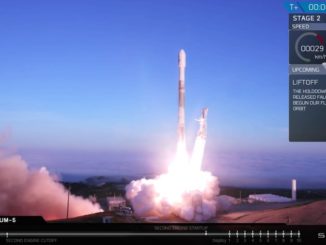
SpaceX is preparing to launch its Falcon 9 rocket on February 7, 2024, as part of the Starlink 17-33 mission, which aims to deploy 25 additional satellites into its expanding megaconstellation. This marks the company’s return to flight operations after a brief stand down that lasted less than a week. The launch is scheduled for 09:21 PST (12:21 EST / 17:21 UTC) from Vandenberg Space Force Base in California.
The Falcon 9 rocket will take off from launch pad 4E, following a trajectory that heads south-southwest. As of now, there are over 9,600 satellites in low Earth orbit, according to noted astronomer and orbital tracker Jonathan McDowell.
Rocket Details and Landing Plans
The Starlink 17-33 mission will utilize the Falcon 9 first stage booster B1088, which will be making its 13th flight. This booster has previously supported missions including NASA’s SPHEREx, Transporter-12, and two batches of satellites for the National Reconnaissance Office. Approximately 8.5 minutes after liftoff, booster B1088 is set to land on the drone ship, Of Course I Still Love You, stationed in the Pacific Ocean. If successful, this will mark the 176th landing on this vessel and the 568th booster landing for SpaceX overall.
SpaceX has recently faced a rare quiet period due to an in-flight anomaly that occurred during the launch of the Starlink 17-32 mission on February 2, 2024. Following the successful deployment of its payload, the company identified a problem with the Falcon 9’s second stage engine during preparation for the deorbit burn.
FAA Investigation and Resumption of Launches
The Federal Aviation Administration (FAA) announced on February 2 that it had initiated a mishap investigation into the incident. The FAA confirmed on February 5 that it had closed the investigation, allowing SpaceX to resume its FAA-licensed flights. According to the FAA, the investigation concluded that the probable cause of the anomaly was the Falcon 9 stage 2 engine’s failure to ignite during the deorbit burn.
SpaceX has since implemented technical and organizational measures to prevent a recurrence of such events. The Falcon 9 rocket is now authorized to return to flight, marking a significant step in the company’s operational timeline.
As the countdown to the Starlink 17-33 mission continues, SpaceX looks to reestablish its launch cadence and contribute further to its satellite constellation, enhancing global internet coverage. Live coverage of the launch will begin approximately 30 minutes before liftoff, providing audiences with real-time updates and insights into the mission.
















