







































Researchers at the University of California, San Diego have developed a groundbreaking approach by converting human brain cells into functional computers. This innovative technology, known as a biocomputer, utilizes biologically derived materials such as DNA, proteins, and lab-grown neurons to carry out computational tasks. The study, published in January 2024, marks a significant advancement in both neuroscience and computing.
Biocomputers represent a unique fusion of biology and technology. Unlike traditional computers that rely on silicon and electronic components, these systems operate using living cells, enabling them to process information in ways that mimic human cognitive functions. The implications of this technology are vast, potentially leading to breakthroughs in artificial intelligence, medical diagnostics, and bioengineering.
Understanding Biocomputers and Their Potential
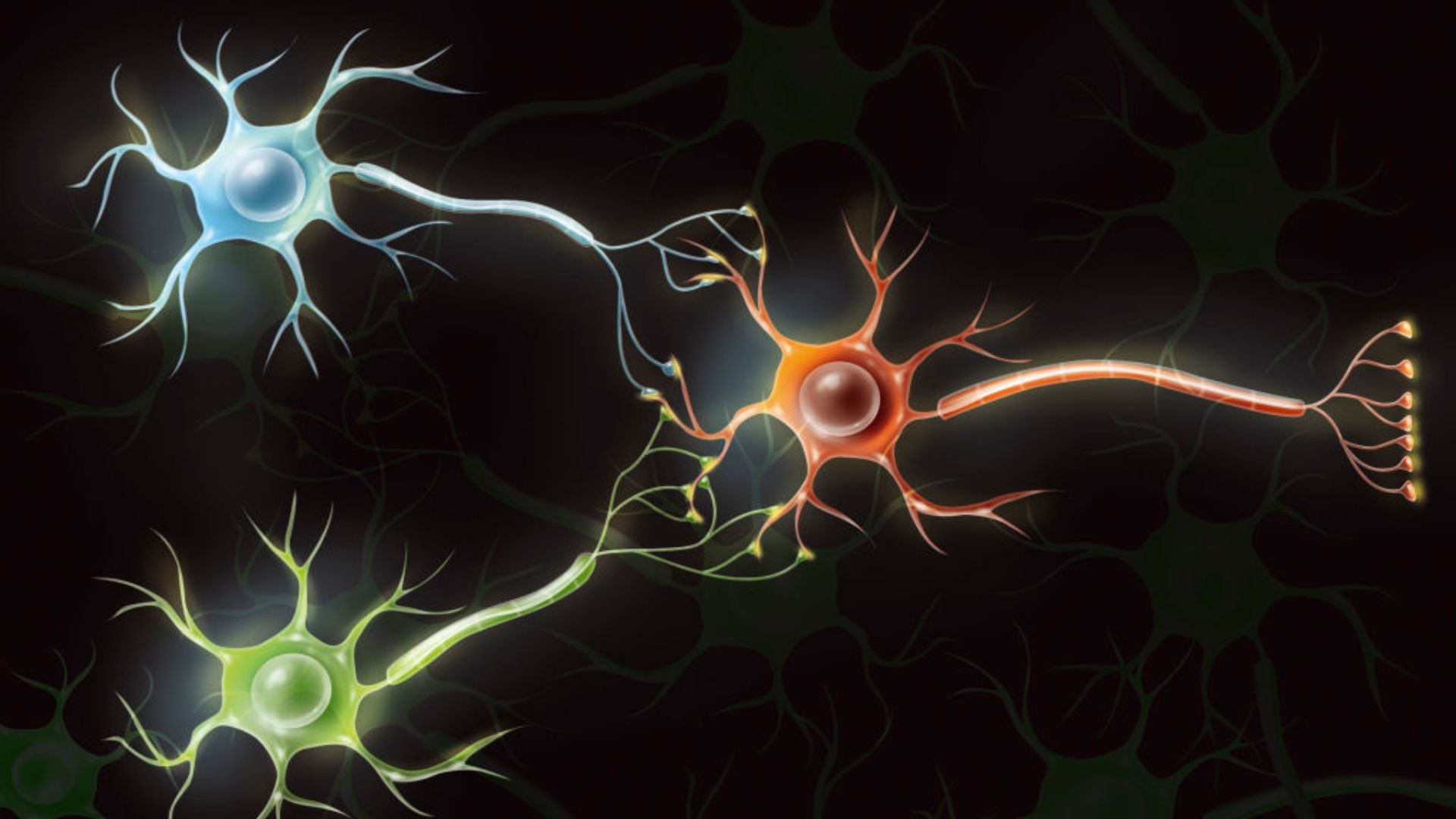
At the core of biocomputers are lab-grown neurons, which serve as the processing units. These neurons are capable of receiving, transmitting, and processing information through electrical signals. By programming these cells with specific algorithms, scientists can create networks that perform complex computations, similar to conventional computer systems.
The research team is optimistic about the future applications of biocomputers. They envision a range of uses, from developing advanced prosthetics that can interact with the nervous system to creating systems that can analyze biological data in real time. The integration of biological elements into computing could also lead to more efficient energy usage, as living cells naturally operate at lower energy levels than traditional processors.
Moreover, the ethical considerations surrounding biocomputers are significant. As scientists navigate the complexities of using human-derived cells for technological purposes, the debate over consent, privacy, and the potential for misuse of such technology will intensify. Researchers emphasize the importance of establishing ethical guidelines to govern the development and deployment of biocomputers.
Future Directions and Challenges
Despite the promising potential of biocomputers, several challenges remain. One of the primary obstacles is ensuring the long-term viability of living cells in computational environments. Researchers must develop methods to maintain the health and functionality of neurons over extended periods, which is crucial for practical applications.
Additionally, integrating biocomputers with existing technologies poses another hurdle. Compatibility with current computing systems and interfaces is essential for widespread adoption. To address these challenges, the team at the University of California, San Diego is collaborating with experts in various fields, including engineering, computer science, and ethics.
The development of biocomputers could redefine the boundaries of what is possible in computing and neuroscience. As research advances, the fusion of biological and technological systems may lead to innovative solutions to complex problems, opening new avenues for exploration in both scientific and commercial realms.
As this field progresses, it will be vital for stakeholders, including policymakers and the public, to engage in discussions about the implications of biocomputers. The intersection of biology and technology is poised to reshape our understanding of intelligence and computation, making it an exciting area to watch in the years ahead.