

































Salmonella illnesses linked to chicken have not significantly changed in over two decades, according to a study published in the Journal of Food Protection. From 1998 to 2022, there were 366 Salmonella outbreaks attributed to chicken, resulting in 10,344 illnesses, 1,426 hospitalizations, and 12 deaths. Chicken continues to be a major source of Salmonella infections, representing one-fifth of all cases in the United States.
Chicken consumption in the United States has risen dramatically. In 1970, the average American consumed 22.4 pounds of chicken per year, a number that more than doubled to 54.6 pounds by 2019. The increasing trend shows no signs of slowing. The way chicken is sold has also evolved; while whole chickens dominated the market until the early 1980s, by 2023, 52 percent of broilers were sold as processed chicken, and 39 percent as cut-up raw parts, according to the National Chicken Council.
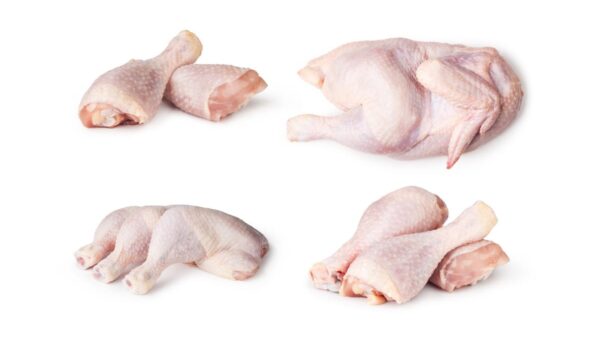
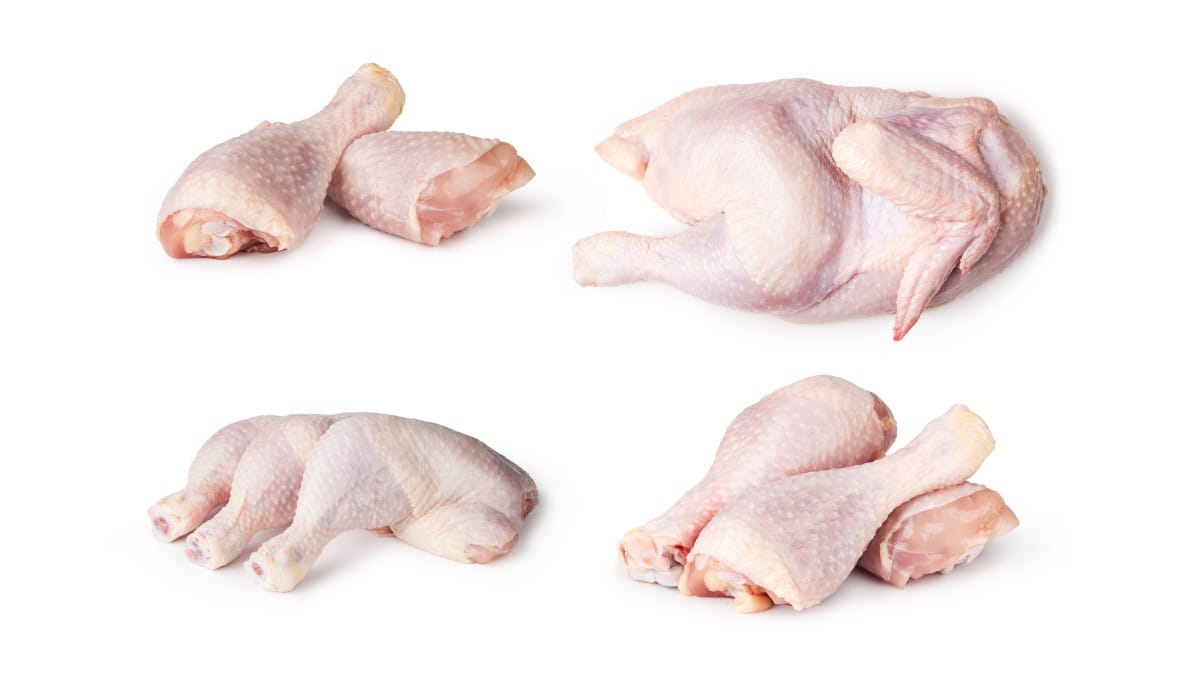
The report highlights that raw chicken parts were responsible for the most outbreaks, with incidents occurring at a rate 5.6 times higher than expected based on their sales volume. Of the roughly 1.35 million Salmonella infections estimated annually in the United States, nearly one-fifth are linked to chicken products.
“Additional prevention efforts focused on raw chicken parts may be especially effective in reducing Salmonella illnesses,” the researchers noted. They found that since 2000, approximately 40 percent of chicken products have been sold as raw chicken parts, which accounted for 69 percent of outbreaks where a specific product type was identified.
Several factors contribute to the prevalence of Salmonella in chicken parts. The bacteria colonize the gastrointestinal tract of chickens and can easily spread during slaughter and processing. The report emphasizes that proper sanitary dressing procedures and interventions during slaughter can minimize contamination at the production level.
Analysis of data from the National Antimicrobial Resistance Monitoring System (NARMS) indicates that 1 in every 25 packages of raw chicken sold in grocery stores is contaminated with Salmonella. The report reveals that approximately 30 percent of chicken-related Salmonella outbreaks occurred in restaurants, while 25 percent took place in homes between 1998 and 2022. Among these, more than two-thirds of outbreaks linked to a specific product type were attributed to chicken parts.
Researchers advocate for a comprehensive approach to tackling this public health concern. Vaccinating chickens against Salmonella prior to slaughter is highlighted as an effective prevention strategy. Vaccination of breeder hens has proven particularly successful, but other measures are also necessary.
“Multilayered prevention strategies along the farm-to-fork continuum, such as vaccinating breeder hens, enhancing controls during slaughter and fabrication, and providing foodservice and consumer education, are needed to reduce and prevent Salmonella illnesses attributed to chicken,” the researchers concluded.
As chicken remains a staple protein source for many, the need for enhanced safety measures is critical to protect public health and reduce the burden of Salmonella infections.