









































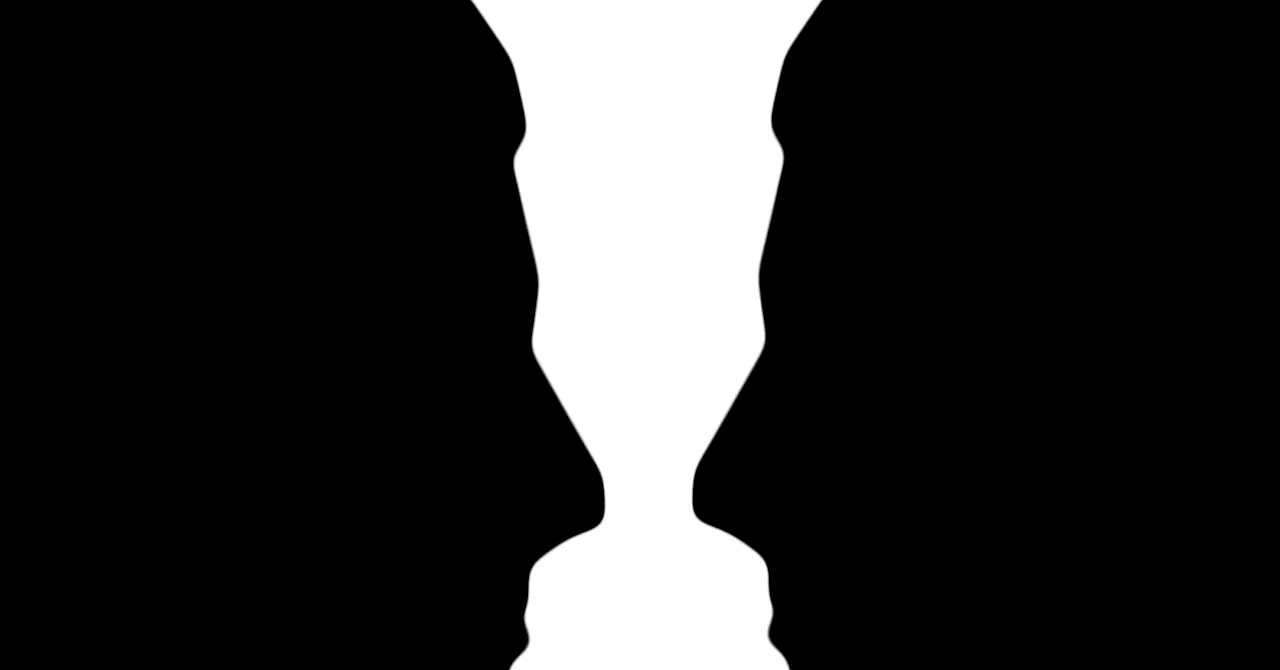
The tragic death of Renee Nicole Good in Minneapolis has sparked intense debate and differing interpretations of the events surrounding her demise. Psychological research sheds light on why observers may perceive the same incident in vastly different ways, emphasizing the role of cognitive biases and selective attention in shaping our understanding of reality.
Understanding Perception Through Psychological Research
Recent studies highlight that our visual perception is often less reliable than we assume. Experiments conducted by psychologists illustrate significant variability in how individuals interpret what they see. For instance, a landmark study by Elizabeth Loftus and John Palmer examined the impact of language on memory. Participants who viewed film clips of car accidents were asked leading questions about the events. Those who were queried using the word “smashed” reported seeing higher speeds and more severe wreckage compared to those asked about “contact.” This suggests that even subtle changes in phrasing can dramatically influence our recollections.
Such findings may help explain the conflicting narratives that have emerged regarding the Minneapolis incident. Viewers who analyze video footage may be unconsciously swayed by the language used in reports or discussions surrounding the event, leading to divergent interpretations of the same material.
Psychologists also explore the phenomenon of inattentional blindness, where individuals fail to notice unexpected events while focusing on a specific task. In a well-known experiment, participants were asked to count the number of times a ball was passed in a video of a group of actors. Remarkably, many failed to see an actor in a gorilla suit walk through the scene. This experiment underscores how our attention can be so focused that we may miss crucial details, even those that are starkly visible.
Implications for Witness Accounts and Law Enforcement
The potential for misperception becomes particularly concerning in high-stakes situations like the one in Minneapolis. Videos of the incident show chaotic scenes where the distinction between innocent bystanders and those directly involved may not be clear. Research indicates that when individuals view a scene where both guilty and innocent parties are present, they often struggle to accurately identify who is who. This is exemplified by studies that demonstrated how participants could misidentify individuals after witnessing a shoplifting incident, attributing blame to innocent parties due to cognitive errors like change blindness and unconscious transference.
As law enforcement officials respond to such incidents, the psychological nuances of perception become critical. The varied interpretations of the Minneapolis footage may stem from the unique perspectives of those present at the scene. While observers may have access to video replays and broader views, the actual participants experienced the event in real time, potentially missing key elements that outsiders might deem obvious.
In discussions surrounding the Minneapolis incident, it is essential to recognize the limitations of our perceptions and the biases that can shape them. As individuals project their beliefs onto how others should perceive events, the complexity of human perception can lead to misunderstandings and conflict.
Psychology teaches that our confidence in what we see is often misplaced. Just as participants in psychological studies have misidentified crucial details, those analyzing the events in Minneapolis must consider the variability in perception among witnesses. The insights from psychology remind us that our understanding of reality is often filtered through subjective experiences, which can lead to profound differences in interpretation.
The ongoing debate over the Minneapolis incident emphasizes the need for a deeper understanding of how psychological factors influence our perceptions and conclusions. By acknowledging these complexities, society may foster more constructive conversations about events that divide public opinion.
















