































A recent laboratory study conducted at Roswell Park Comprehensive Cancer Center has revealed a promising approach to enhance the effectiveness of chimeric antigen receptor (CAR) T-cell therapy in the treatment of solid tumors. The research, led by Renier Brentjens, MD, Ph.D., who serves as the Deputy Director and Chair of the Department of Medicine at Roswell Park, indicates that the introduction of IL-36 gamma can significantly improve the eradication of these tumors.
The study represents a critical advancement in the application of CAR T-cell therapy, traditionally more successful in treating hematologic malignancies such as leukemia and lymphoma. This new strategy aims to replicate that success in addressing solid tumors, which have posed a greater challenge in immunotherapy.
Dr. Brentjens emphasized that the findings could pave the way for new treatments that are more effective against solid tumors. “Harnessing the power of IL-36 gamma to ‘armor’ CAR T cells may be a game-changing development in how we approach these difficult cancers,” he stated.
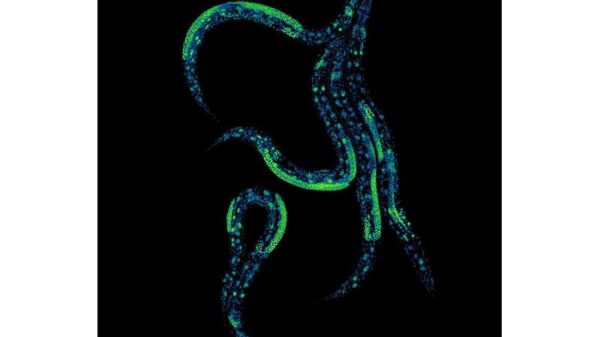
The research involved rigorous laboratory testing, demonstrating that CAR T cells modified with IL-36 gamma were able to target and destroy solid tumor cells more effectively than traditional CAR T cells. This modification enhances the immune response, which is crucial for combating tumors that often evade detection by the immune system.
This promising approach aligns with ongoing efforts to improve CAR T-cell therapy, which has already transformed the treatment landscape for patients with blood cancers. The potential application of this therapy to solid tumors could broaden treatment options for patients facing aggressive cancers, ultimately leading to better survival rates.
While the study is still in its early stages, the implications are significant. With solid tumors accounting for a large percentage of cancer diagnoses worldwide, advancements that enhance treatment efficacy could have a profound impact on patient outcomes.
The research highlights the importance of continued innovation in cancer therapies. As scientists like Dr. Brentjens explore new avenues for CAR T-cell therapy, there is hope that these advancements will lead to more effective treatments for a wider range of cancers, ultimately improving the lives of countless patients.
As the scientific community continues to evaluate these findings, further studies will be necessary to translate this laboratory success into clinical applications. The potential of IL-36 gamma as a vital component in CAR T-cell therapies could represent a significant step forward in the fight against cancer.