









































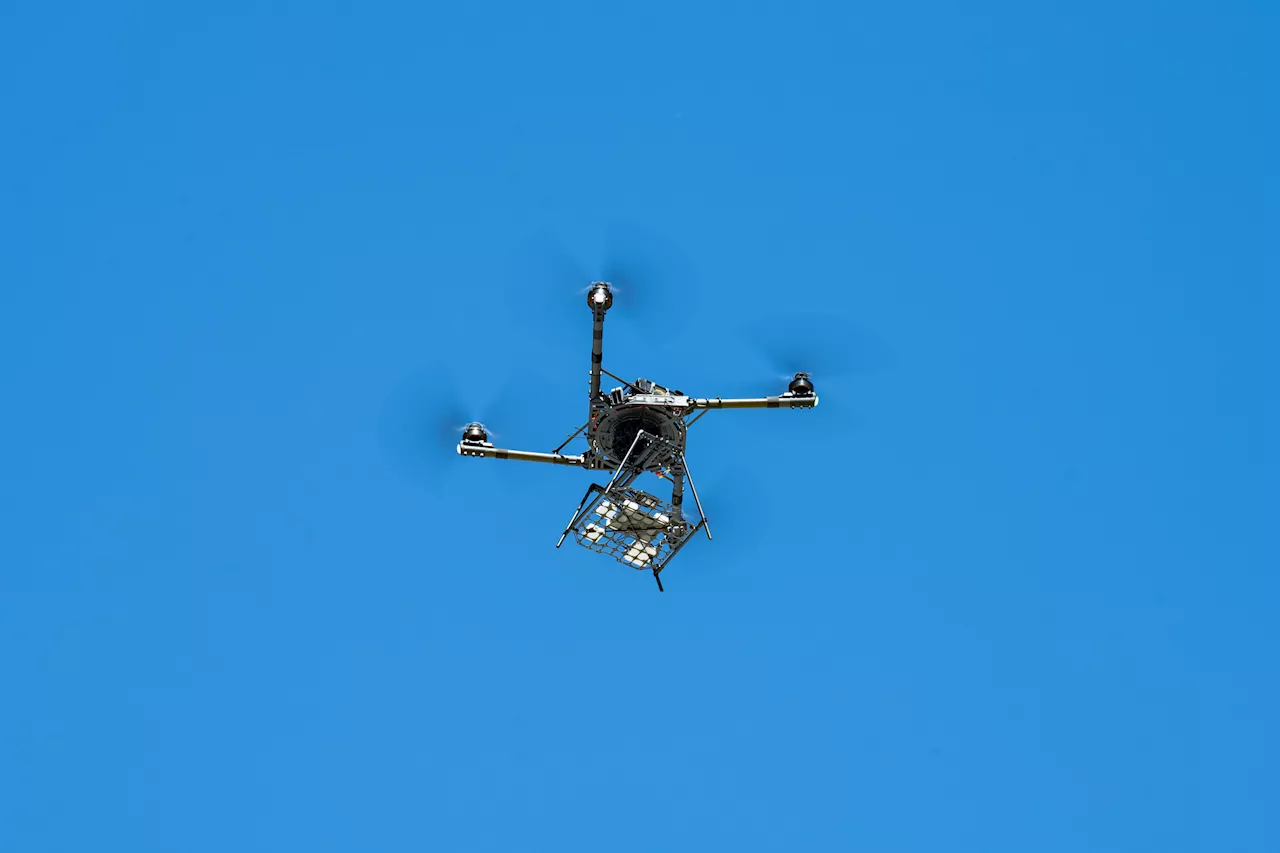
NASA researchers are conducting tests on a blockchain-based system designed to enhance the security of aviation data and protect air traffic management from potential cyber threats. This innovative approach aims to ensure the reliability and transparency of information transmitted between aircraft and ground stations.
In a critical era for aviation safety, where data security is paramount, NASA is exploring advanced solutions. The tests involve an Alta-X drone equipped with a custom-built simulated Unmanned Aircraft Systems payload. During a recent flight test at NASA’s Ames Research Center in California’s Silicon Valley, researchers evaluated how blockchain technology can safeguard flight data against interception or manipulation.
The need for reliable and transparent data in aviation operations has never been more urgent. While existing systems have made strides in protecting flight data, the evolving nature of cyber threats necessitates new strategies. Findings from NASA’s research indicate that the blockchain-based system can effectively transmit and store information in real-time while maintaining data integrity.
Blockchain technology functions as a decentralized database, eliminating reliance on a single computer or centralized system. It operates by sharing information across a broad network, which records and verifies every change made to a dataset. This structure helps ensure that the data remains safe, accurate, and trustworthy.
The research team, including Terrence D. Lewis, Kale Dunlap, and Aidan Jones, monitored telemetry flows from both actual and simulated flights to ensure accurate processing and recording of data. This investigation focused on how blockchain can secure digital transactions among various systems and operators. The team utilized an open-source blockchain framework that allows real-time sharing and storage of critical information, such as aircraft operator registration details and flight plans. Access to this data is limited to trusted parties and approved users.
To further assess the system’s resilience, the team implemented a set of cybersecurity tests aimed at evaluating and reinforcing security measures within airspace environments. In August 2023, during a flight at Ames, the researchers demonstrated these capabilities using the Alta-X drone, which was outfitted with a comprehensive software and hardware package, including a computer, radio, GPS system, and battery. The test successfully simulated a real-world environment, complete with a separate ground control station and the underlying blockchain and security infrastructure.
The blockchain framework and cybersecurity protocols developed in this project have the potential to support high-altitude operations at elevations of 60,000 feet and above, as well as Urban Air Mobility initiatives. These advancements could pave the way for a more secure, scalable, and trusted ecosystem within the aviation sector.
Looking ahead, NASA researchers will continue to analyze the data collected during these tests and apply their findings to future projects. This research holds promise for U.S. aviation stakeholders seeking innovative tools to enhance operational safety and efficiency. The tests are part of NASA’s broader Air Traffic Management and Safety project, which aims to transform air traffic management systems to accommodate the increasing demand for new air vehicles. This initiative falls under NASA’s Airspace Operations and Safety Program, a segment of the agency’s Aeronautics Research Mission Directorate, which is dedicated to enabling safe and efficient aviation transportation operations for the benefit of the public and industry alike.
















