



































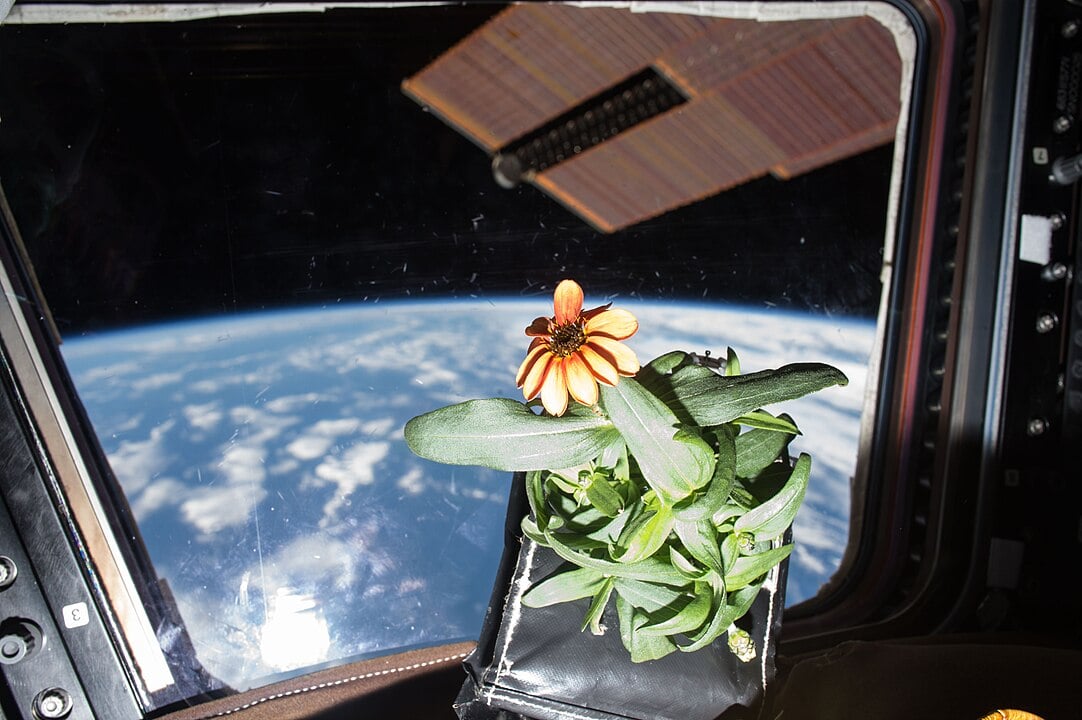
NASA is set to revolutionize space exploration by developing agricultural technologies that will sustain human life on the Moon and Mars. A collaborative effort among scientists aims to enable astronauts to grow fresh food in space, addressing critical challenges associated with long-duration missions.
The urgency of this initiative stems from NASA’s classification of astronaut nutrition as a red risk, which indicates a high priority threat to crew health and mission success. While freeze-dried meals suffice for short trips to the International Space Station (ISS), they are inadequate for the lengthy journeys to Mars, which can span years. To combat this issue, researchers are focusing on what they term Bioregenerative Life Support Systems, which rely on growing plants to provide essential support for astronauts.
Why Plants Matter in Space
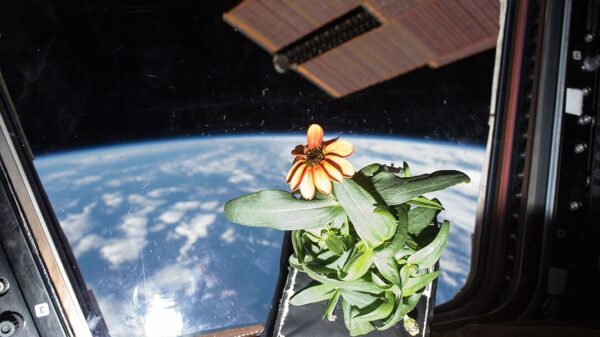
Plants play a multifaceted role beyond just providing nutrition. They generate oxygen through photosynthesis, purify water, recycle waste, and can supply materials for pharmaceuticals and construction. Additionally, the presence of greenery has been shown to enhance psychological wellbeing during the isolating and monotonous conditions of deep space travel.
Despite these benefits, growing plants in space presents unique challenges. On Earth, gravity influences a plant’s growth direction, with roots growing downward and shoots upward—a process known as gravitropism. In contrast, the Moon’s gravity is only one-sixth that of Earth, while Mars has roughly one-third. Spacecraft experience microgravity, which disrupts fluid dynamics and nutrient flow, complicating plant growth.
Innovative Research and Future Experiments
A team led by scientists from the University of Melbourne is developing a framework to evaluate how different plant species can thrive in extraterrestrial habitats. Their approach goes beyond mere crop yield assessment; it also considers how well plants perform essential life support functions, such as air recycling and water purification, in reduced gravity environments.
In late 2027, NASA’s Artemis III mission will mark a historic moment with the Lunar Effects on Agricultural Flora experiment. This initiative will involve cultivating three fast-growing plant species in a controlled chamber on the lunar surface. After one week, approximately 500 grams of the plant samples will return to Earth for analysis. Researchers will investigate how lowered gravity and increased radiation levels affect gene expression and plant physiology.
To enhance their research, the team is also creating advanced computer models that utilize artificial intelligence to optimize plant growth. These models will take into account the unique conditions of space and how they influence astronauts’ sensory perceptions and food preferences, effectively combating menu fatigue during multi-year missions.
As NASA continues to push the boundaries of human exploration, the cultivation of plants in space is set to play a pivotal role in ensuring the health and wellbeing of astronauts venturing far beyond Earth. This groundbreaking research not only holds promise for future missions to the Moon and Mars but also advances our understanding of sustainable living in extreme environments.