






































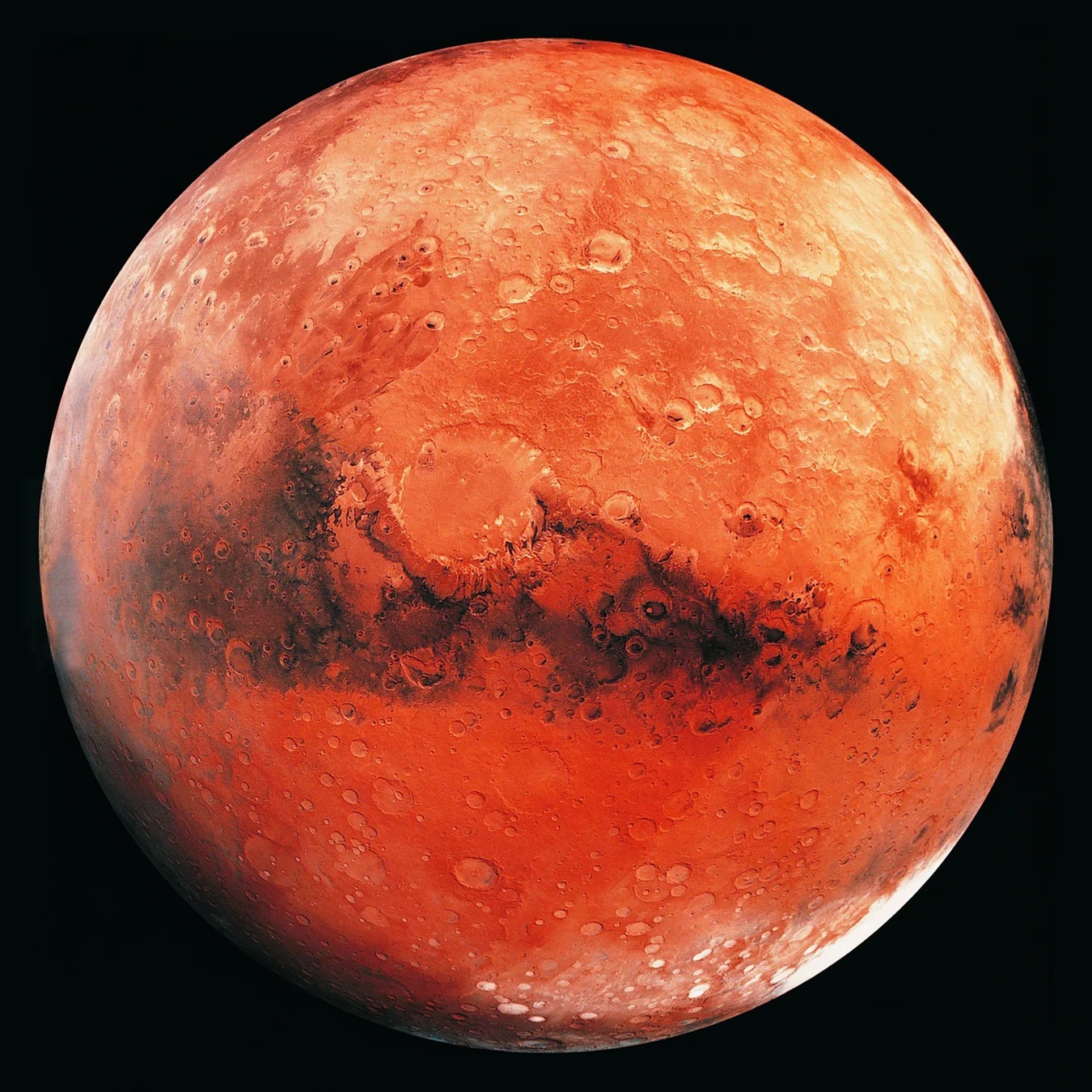
Recent research published in IOPscience highlights a fascinating discovery: time on Mars runs approximately 477 microseconds faster than on Earth. This finding has significant implications for future space exploration, necessitating adjustments in mission planning and technology to accommodate the time discrepancy.
The time difference arises from Mars’ unique rotational and orbital characteristics. While Earth takes about 24 hours to complete a rotation, Mars has a slightly longer day, lasting approximately 24 hours and 37 minutes. This difference impacts how time is measured and perceived by spacecraft and astronauts traveling to and operating on the Martian surface.
Implications for Space Missions
Understanding this time variance is crucial for organizations like NASA and the European Space Agency. As missions to Mars become more frequent, precise timing will be essential for navigation, communication, and conducting scientific experiments. Failure to account for the time difference could lead to synchronization issues between Earth and Martian operations.
For instance, if a spacecraft does not adjust its timing systems, it could miss crucial communication windows or fail to execute planned maneuvers accurately. As a result, mission planners must develop robust systems to compensate for this time discrepancy, ensuring seamless operations across the two planets.
Future Exploration Strategies
With the first crewed missions to Mars anticipated within the next decade, addressing the time difference will become an immediate priority. Engineers and scientists are exploring various strategies, including the development of advanced onboard clocks that can account for Mars’ unique time measurement.
Moreover, training for astronauts will need to incorporate these time considerations, preparing them for the potential delays and differences they may experience during their missions. Such adjustments are necessary to ensure the success of exploration efforts and the safety of crew members.
As we look toward the next era of space exploration, the findings from IOPscience serve as a reminder that even the smallest details, like microseconds, can have profound impacts on our understanding of time and distance in the cosmos. The ongoing research into Mars’ time dynamics will pave the way for more effective exploration strategies, ultimately bringing humanity closer to understanding our neighboring planet.