





























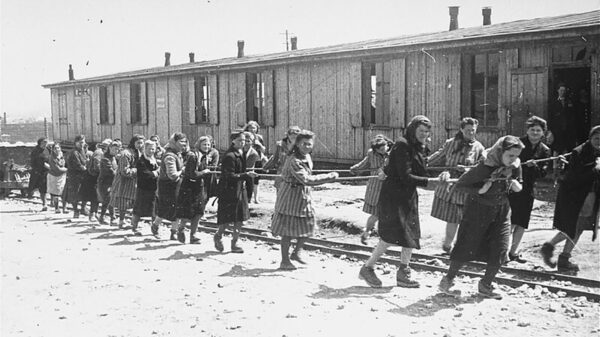



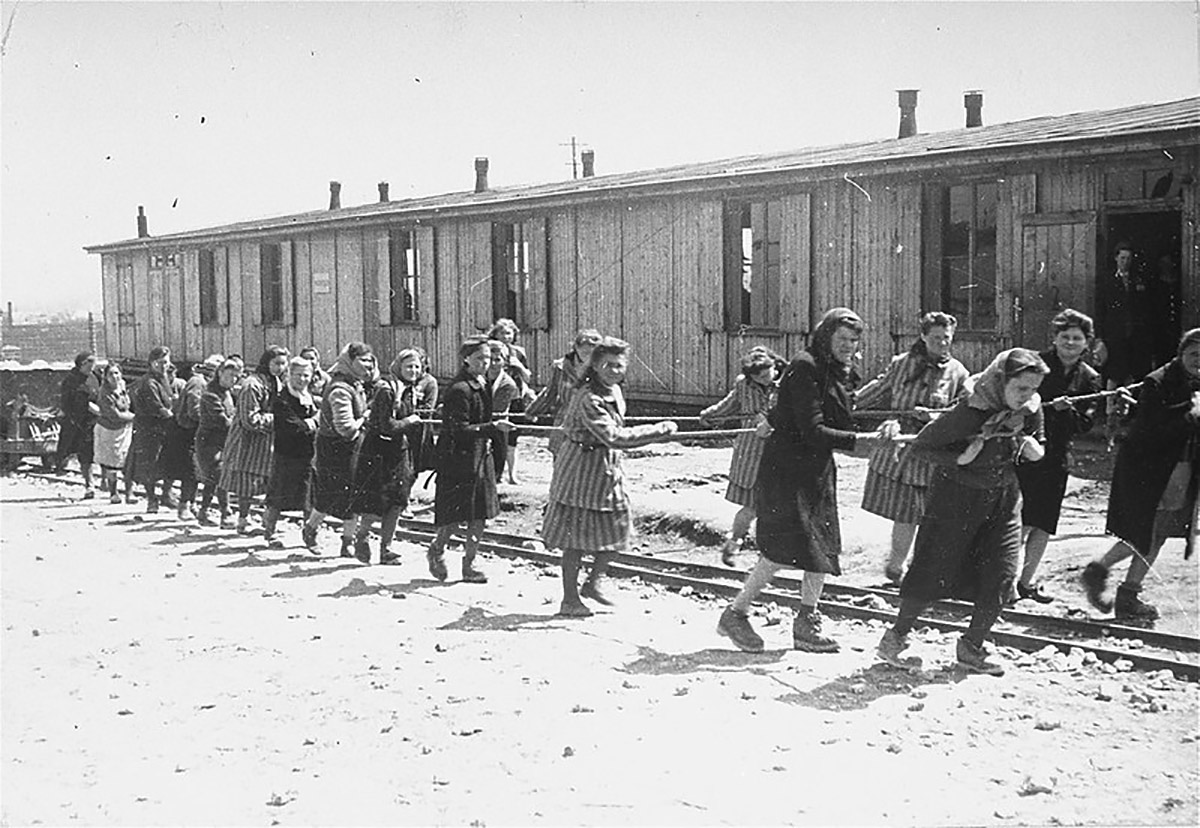
The United States Holocaust Memorial Museum has partnered with Johns Hopkins University Press to create the world’s first searchable database documenting the extensive network of Nazi concentration camps and ghettos. This initiative aims to provide historians, survivors, and the general public with access to detailed information about approximately 10,000 locations associated with the Holocaust.
This digital resource, known as the Encyclopedia of Camps and Ghettos, 1933-1945, can be found on Project MUSE, a platform that offers access to a wide array of academic publications. The encyclopedia features information on around 3,500 sites, with plans to expand the database by an additional 2,500 entries by 2026.
The encyclopedia presents an interactive map that allows users to explore thousands of sites linked to their respective histories. Users can search by current country names, camp types, and even specific names associated with these sites. This comprehensive approach not only highlights the scale of Nazi persecution but also the intricate details of each location.
Collaborative Effort Over Decades
Assembling this vast database required significant collaboration, with contributions from 700 researchers over a period of more than 25 years. According to Alexandra Lohse, the project’s manager and editor at the museum’s Mandel Center for Advanced Holocaust Studies, the task was daunting due to the extensive nature of the Nazi camp network and the fragmented sources necessary for documentation. She emphasized that the commitment to this project has resulted in a resource unparalleled in comprehensiveness regarding Nazi sites of persecution.
The efforts to make the encyclopedia accessible have been met with enthusiasm. Previously, the material was available only in print and PDF formats, generating about 80,000 requests in one year. In stark contrast, the newly launched searchable database achieved over 700,000 requests in its first five months, indicating a significant demand for this type of resource.
Addressing Misinformation and Historical Denial
The launch of this database comes at a crucial time. There is a concerning trend of misinformation regarding the Holocaust. A study by the Conference on Jewish Material Claims Against Germany indicated that more than 30% of Americans, including 41% of millennials, believe that fewer than 2 million Jews died during the Holocaust. Furthermore, only about half of respondents could name any concentration camps.
With the rise in antisemitic incidents and a disturbing trend of Holocaust denial, the importance of making credible historical resources widely available cannot be overstated. Laura Foster, director of academic publishing at the museum, remarked that the encyclopedia serves as a vital tool for historians, educators, and the public to counteract these false narratives. She noted, “The encyclopedia is a unique contribution to our understanding of the size and scope of the Holocaust.”
Holocaust survivor Martha Weiman expressed her concern regarding the diminishing awareness of this tragic chapter in history. She stated, “Every day takes us further from the Shoah and the murder of the Jewish people. We’re trying to get people not to forget.”
As the encyclopedia continues to grow, it stands as a powerful testament to the collective memory of the Holocaust and the ongoing efforts to educate future generations about the atrocities committed during this dark period in history. Through this collaboration, the United States Holocaust Memorial Museum and Johns Hopkins University Press are not only preserving history but also fostering an understanding of its profound impact on humanity.