






































An innovative environmental monitoring project has emerged, showcasing the use of recycled materials for effective data collection. Led by a contributor identified as azwankhairul345, the project demonstrates that the challenge lies not in the technology but in how to package it efficiently. By utilizing recycled plastic containers, the project has created a surprisingly effective monitoring tool.
At the heart of this initiative is the Raspberry Pi Pico W, which offers the necessary processing power and connectivity for environmental monitoring. The setup is powered by a large battery bank, which, while convenient, lacks a recharging option. This limitation means that the device requires maintenance approximately every two days, which could be manageable depending on individual needs.
Components and Functionality
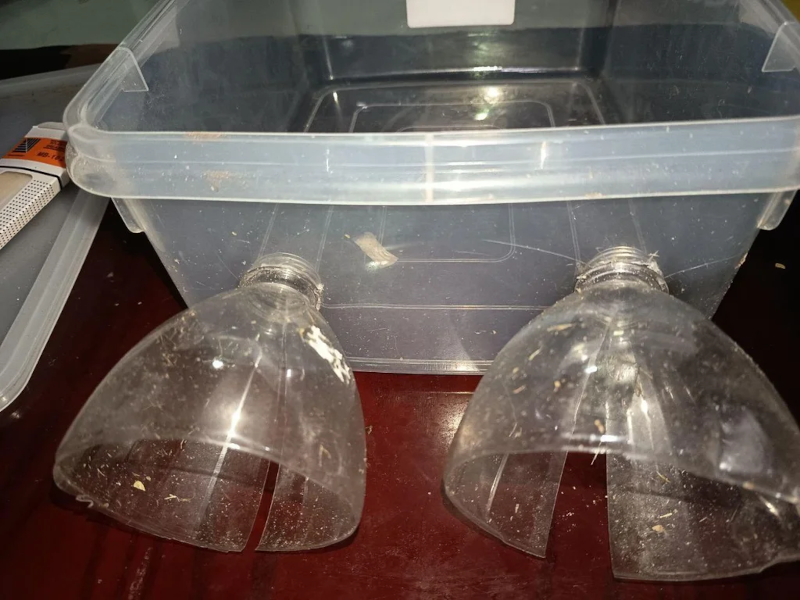
The project incorporates readily available sensors for measuring various environmental factors. These include magnetic field sensors, which track anemometer spins, alongside air quality, temperature, and humidity sensors. The protective casing for these components is crafted from recycled plastic tubs, featuring PVC piping and plastic covers that resemble the tops of common drink bottles.
While this approach represents a cost-effective solution, it may not match the performance of conventional monitoring systems, such as those designed with Hoffman box-style containers. Various methods exist for sealing these devices against environmental elements, which could enhance their durability and reliability.
Overall, the project signifies a shift towards more sustainable practices in environmental monitoring. By leveraging available technology and recycled materials, it not only addresses the pressing need for effective monitoring tools but also raises awareness about sustainability in technological initiatives. As the project develops, it may inspire further innovations in the field, blending technology with environmental responsibility.