


































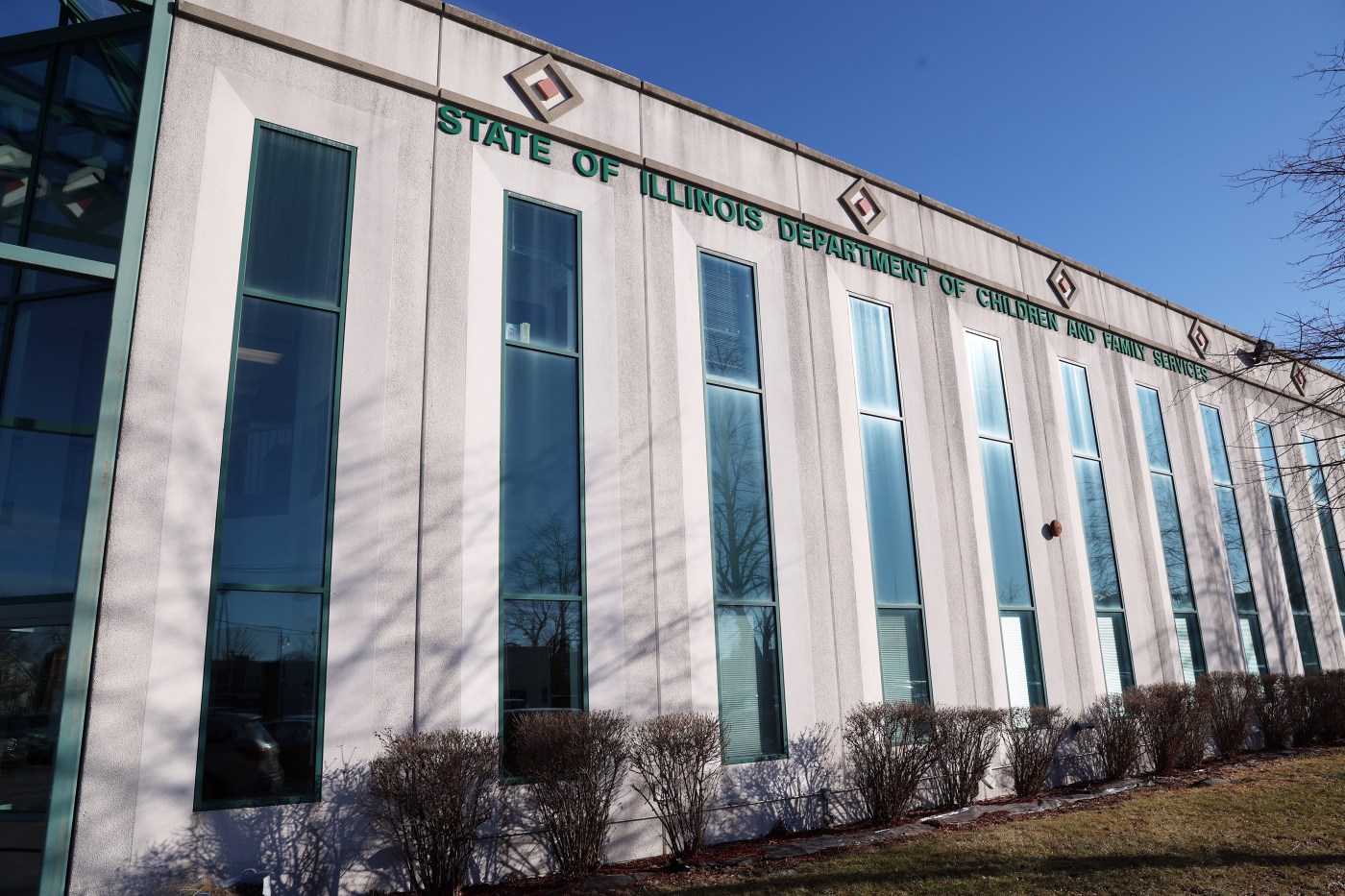
The state of Illinois is taking a bold step in child welfare by launching a pilot program aimed at evaluating the impact of cash assistance on families involved with the child welfare system. Led by Mike Shaver, CEO of Brightpoint, the initiative seeks to explore how financial support may enhance family stability and reduce instances of neglect.
In a recent op-ed, professors Sarah A. Font and Emily Putnam-Hornstein criticized this approach, arguing against the use of cash assistance in child welfare. However, Shaver contends that Illinois deserves recognition for its willingness to ask challenging questions regarding the intersection of poverty and child safety. The pilot program is designed to determine whether providing families with unconditional cash support can lead to improved outcomes for children.
Exploring the Link Between Poverty and Neglect
The key inquiry of the pilot program is straightforward: if poverty is a contributing factor to child neglect, what happens when families receive financial aid? The program, conducted in partnership with researchers from the University of Illinois Urbana-Champaign and the University of Connecticut, will involve 800 families. Half of these families will receive an average of $500 per month for a year, while all participants are already enrolled in Intact Family Services, a voluntary program aimed at preventing crises that could lead to foster care placement.
Shaver emphasizes that the majority of reports to child welfare hotlines cite neglect, not abuse. Testing the effects of cash assistance alongside existing support services is not reckless; rather, it represents a necessary examination of potential solutions in light of ongoing challenges within the system.
Historically, advancements in child welfare have stemmed from challenging established norms. Shaver argues that progress requires openness to inquiry and a willingness to follow the evidence, especially as the complexities surrounding child neglect continue to be poorly understood.
Understanding Broader Social Contexts
Critics of cash assistance often overlook the multifaceted nature of family issues, particularly in low-income communities. Tecoria Jones, board secretary of Be Strong Families, stresses that family problems are not confined to any single income bracket. Factors such as employment instability, substance abuse, mental health issues, and domestic violence affect families across all socioeconomic levels. She advocates for a broader understanding of the societal environments impacting these families.
Jones highlights that poverty can diminish self-worth and confidence, trapping communities in a cycle of survival rather than allowing for flourishing. She cites a June 2021 article from CNBC, which reported significant improvements in household stability during COVID-19 relief efforts. Families receiving financial assistance experienced a 42% reduction in food insufficiencies and a 43% decrease in financial hardships, showcasing the potential benefits of cash support.
Moreover, Jones points out that financial assistance can act as a bridge to greater stability, enabling families to make better decisions. She urges for an empathetic approach to social work that prioritizes listening to those directly affected by poverty and hardship.
Challenges and Opportunities in Child Welfare Policy
Public policy related to child welfare has historically received bipartisan support, as evidenced by the passage of the Family First Prevention Services Act during the Trump administration. This act opened the door to substantial federal funding for preventive services aimed at keeping families together and reducing the need for foster care.
Nonetheless, recent critiques from organizations such as the American Enterprise Institute have sparked controversy. McMullen, a former foster parent and child welfare advocate, expresses concern over a national campaign that seeks to undermine cash assistance programs. She questions why any think tank would aim to deepen divisions regarding the well-being of children and families.
In response to the critiques presented by Font and Putnam-Hornstein, Michael Kaiser-Nyman conducted his own research. He found that the study referenced by the professors regarding the Rx Kids program was a preprint that had not undergone peer review. Other studies he examined indicated positive outcomes from similar cash assistance initiatives, including reductions in child maltreatment rates.
The ongoing pilot program in Illinois represents an important inquiry into the role of financial assistance in child welfare. As the state navigates these complex issues, the outcomes of this initiative could influence future policies aimed at supporting families and safeguarding children.
As more data becomes available, stakeholders in child welfare will have the opportunity to reassess strategies and potentially reshape the conversation around financial assistance and its role in family stability.