









































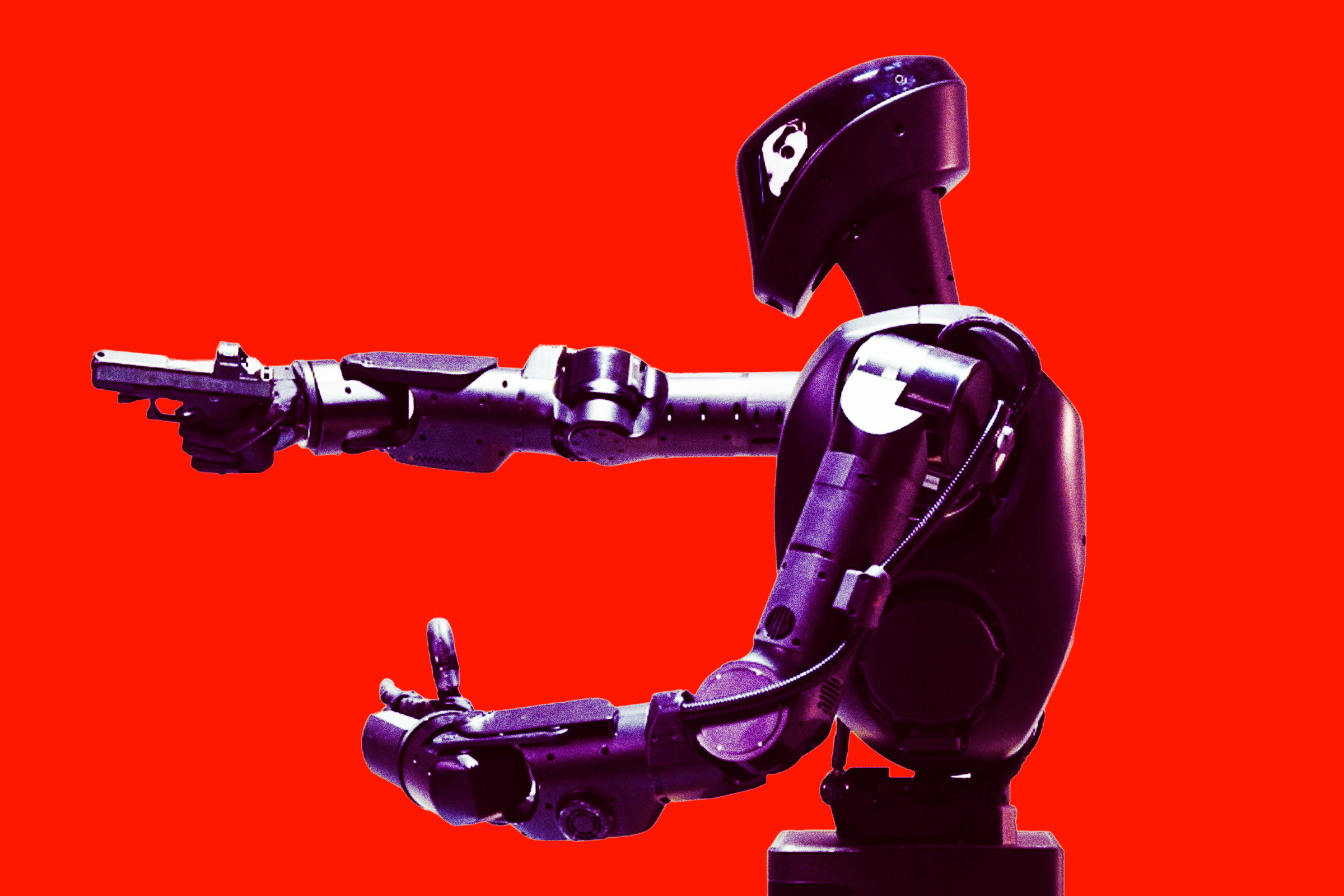
Humanoid robots are now being tested on the frontlines of the Ukraine conflict, marking a significant development in the use of robotics in warfare. According to a recent interview with Mike LeBlanc, a combat veteran and co-founder of the robotics company Foundation, two humanoid robots, known as Phantom Mk-I units, have been sent to Ukraine for frontline reconnaissance operations.
LeBlanc stated that this deployment occurred in February 2023, making it potentially the first instance of humanoid robots being used in active combat zones globally. The Mk-I units, which have already been trialed in various industrial settings, represent a pioneering step in military technology.
Robotics in Warfare
In the interview, LeBlanc explained, “We think there’s a moral imperative to put these robots into war instead of soldiers.” His vision includes developing the Phantom to be capable of using “any kind of weapon that a human can,” suggesting a future where humanoid robots could play a critical role in combat scenarios. Currently, the Mk-I units can utilize firearms, including revolvers, semi-automatic pistols, shotguns, and even a dummy M-16 rifle.
The deployment of these robots comes at a time when Ukraine is increasingly utilizing robotics for various military tasks. According to reports from the Ukrainian state news agency United24, the country initiated 7,495 robotics operations in January alone. While many of these operations focus on logistical support—such as delivering weapons, ammunition, and supplies—others involve armed robots that have demonstrated their capabilities in the field. Notably, earlier this year, videos surfaced showing Russian soldiers surrendering to a Ukrainian robot armed with a machine gun.
Comparative Advances in Robotics
On the other side of the conflict, Russia has also begun employing robotic technology on the battlefield, though it has yet to deploy humanoid robots like the Phantom Mk-I. The increasing reliance on robotics by both sides underscores a broader trend in modern warfare, where technology plays an increasingly vital role.
Beyond Ukraine, Foundation is exploring opportunities for the deployment of robots in other contexts, including discussions with the Department of Homeland Security regarding the potential use of patrol robots along the US-Mexico border. While the outcome of these discussions remains uncertain, the prospect of robotic patrols reflects a growing interest in integrating advanced technology into security operations.
The introduction of humanoid robots into combat scenarios raises both ethical and practical considerations. As technology evolves, the implications for warfare and military strategy will continue to be scrutinized. The development of such robots may change the landscape of armed conflict, prompting discussions about the future role of human soldiers in warfare.
















