









































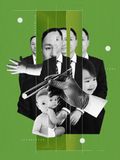
In a surprising turn of events, Chinese scientist He Jiankui is eager to return to the controversial field of gene editing after serving a three-year prison sentence. In 2018, He announced the birth of the world’s first gene-edited babies, aimed at providing immunity against HIV. This groundbreaking yet ethically fraught work resulted in a significant backlash, leading to his imprisonment and a nationwide ban on reproductive genome editing in China. Released in 2022, He is now attempting to reshape his legacy and continue his research.
He has established an independent laboratory in southern Beijing, where he claims to be developing a gene therapy aimed at treating boys with Duchenne muscular dystrophy. While He has not yet published results from this research, he asserts that a pharmaceutical company has partnered with him and that funding opportunities are emerging. His ambitions extend beyond muscular dystrophy; he is also exploring gene editing to prevent Alzheimer’s disease, a move that reignites ethical debates surrounding germline editing.
Despite the prohibition of germline editing in most countries, including the United States, He remains undeterred. On social media, he has branded himself as a “pioneer of gene editing” and has even referred to himself as “China’s Frankenstein,” reflecting both his controversial past and his bold aspirations for the future.
Plans for Future Research
In recent discussions, He expressed a desire to conduct embryo gene editing focused on the APP-A673T mutation, which has shown promise in Icelandic populations for preventing Alzheimer’s. He believes that introducing this mutation into future generations could significantly reduce the incidence of the disease. Currently, his laboratory is engaged in experiments with human cell lines, and He has stated that they will not begin working with embryos until they secure further funding and regulatory approval.
When questioned about the funding for his lab, He indicated that he has raised approximately 50 million yuan (around $7 million) through donations and early investments. He outlined plans to raise an additional $10 million to advance his research from cell lines to animal models and eventually to small-scale clinical trials.
Despite his ambitions, He is acutely aware of the legal landscape surrounding his work. Germline editing remains illegal in China, and he has expressed interest in relocating his research to South Africa, where regulations have recently changed to allow such experimentation. He stated that discussions with South African authorities have been positive, signaling potential for collaboration.
Ethics and Controversies
He has publicly condemned efforts to enhance human intelligence through genetic editing, labeling such initiatives as akin to “Nazi eugenic experiments.” He emphasizes that his focus remains firmly on disease prevention rather than enhancement, a stance he believes is crucial to ethical considerations in genetic research.
Looking forward, He is optimistic about the future of his research. He envisions a time when multiple genetic edits could be safely made to embryos, potentially preventing a variety of diseases such as cancer and cardiovascular conditions. He believes that with further advancements, children born through such technologies could enjoy longer, healthier lives.
While He continues to document his journey on social media, he faces the challenge of navigating public scrutiny and regulatory hurdles. He remains committed to transparency, asserting that his laboratory is open to public visits, albeit currently restricted to domestic visitors due to national security concerns.
Reflecting on his tumultuous past, He asserts that ensuring patient happiness and health improvements is the primary objective of his research. His return to the spotlight raises critical questions about the future of gene editing and the ethical implications of his work, as the world watches closely to see how his ambitions will unfold.
















