









































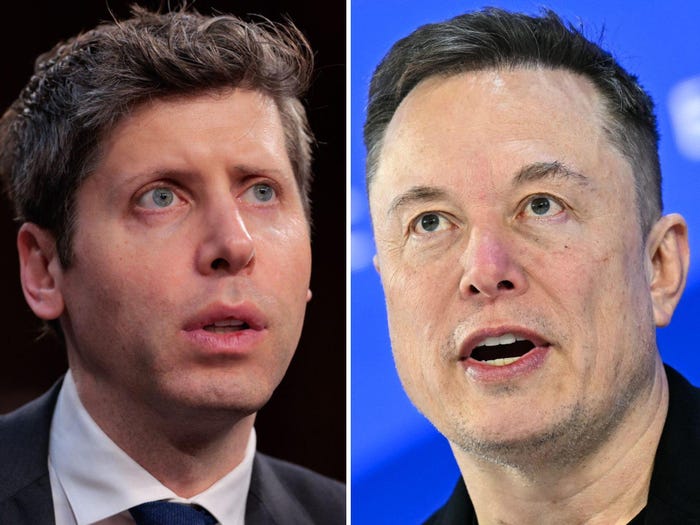
Two of the most anticipated initial public offerings (IPOs) of the coming year are from SpaceX and OpenAI. After a slowdown in the IPO market, both companies plan to go public in 2026. Recent discussions suggest that SpaceX may explore mergers with either xAI, another venture founded by Elon Musk, or with Tesla, which is already a publicly traded entity.
As speculation grows around these potential IPOs, industry experts are voicing their opinions. Reports indicate that OpenAI aims for an IPO in the fourth quarter of 2026, motivated by the desire to outperform its competitor, Anthropic. This strategic move comes as interest in AI technologies continues to surge.
Industry Perspectives on SpaceX and OpenAI IPOs
Prominent figures in business and technology are sharing insights regarding the implications of these IPOs. Venture capitalist Chamath Palihapitiya has suggested that a merger between SpaceX and Tesla could create a powerful entity akin to a modern-day Berkshire Hathaway. He stated, “The capital raising and operational efficiencies if both were together are obvious.” His comments highlight the potential benefits of combining resources from Musk’s various ventures.
In contrast, Eric Berger, senior space editor at Ars Technica, commented on the merger discussions between SpaceX and xAI. He noted that the feasibility of orbital data centers could result in a “vertically integrated AI colossus.” This perspective underscores the growing intersection between space technology and artificial intelligence.
Meanwhile, economist Noah Smith expressed caution about OpenAI’s prospects. In his analysis, he emphasized that while an IPO could attract significant investment, it does not guarantee success for the company itself. He warned that even if the AI sector flourishes, OpenAI might not remain a leading entity, potentially leaving investors at a disadvantage.
Concerns Over SpaceX’s Valuation
Investment considerations for SpaceX have also come under scrutiny. Ross Gerber, CEO of Gerber Kawasaki Wealth and Investment Management, indicated that he would avoid purchasing SpaceX stock if it goes public. He described the company’s financial position as “not really a great business in the sense of profitability,” pointing out that a valuation of $1.5 trillion for a company achieving $15 billion in revenue seems unreasonable.
As both SpaceX and OpenAI navigate their paths toward potential IPOs, the business community remains keenly interested in how these developments will unfold. The outcomes could significantly impact the future of the tech sector as well as investor sentiment within the rapidly evolving AI landscape. With the stakes high and the industry on alert, 2026 is shaping up to be a pivotal year for these two influential companies.
















