









































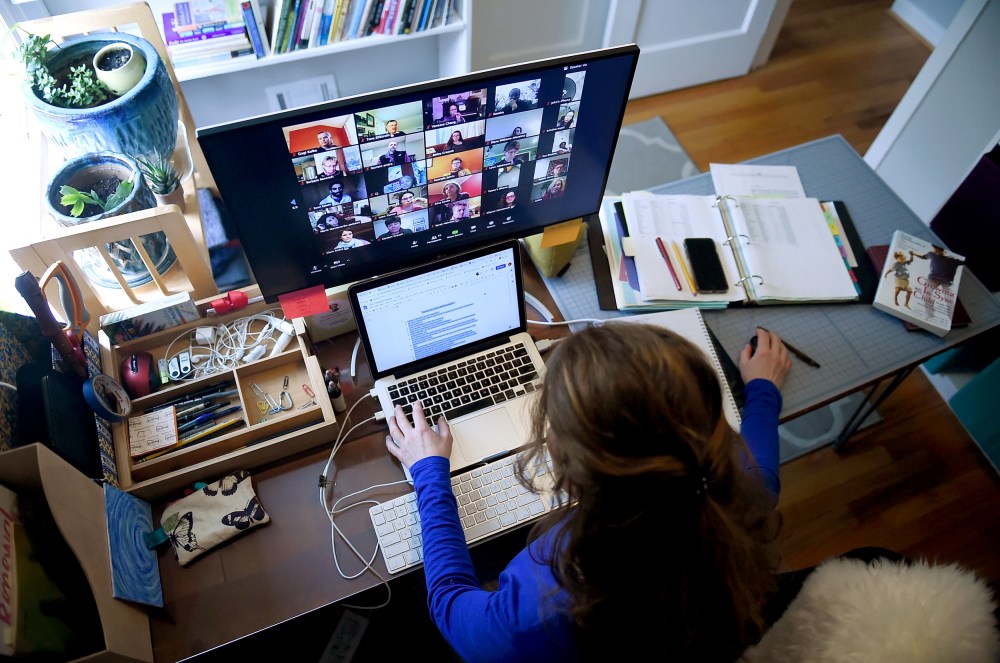
The Covid-19 pandemic has disproportionately affected women in the workforce, leading to increased layoffs and job losses, particularly among working mothers. Many women have chosen to leave their roles to manage household responsibilities, resulting in significant economic insecurity for their families. In this challenging environment, those who remain in their positions may feel inclined to keep a low profile, waiting for a return to normalcy. Yet, this could be the perfect opportunity to enhance visibility and demonstrate value within the workplace.
Maximize Your Presence
Employers are increasingly recognizing the necessity of every employee in their streamlined teams. Now more than ever, they are open to innovative ideas that can drive results. As such, workers should seize the moment to highlight their contributions and maintain a strong presence.
Rather than conforming to outdated standards of professionalism, individuals should embrace their authentic selves. As a leader of a remote workforce for over a year, I have found that video conferencing allows for genuine connections. Sharing personal moments, such as pets or children, fosters relatability and strengthens team bonds. Authenticity can make a worker more memorable, moving beyond the typical corporate persona.
If sharing your home environment feels uncomfortable, consider using virtual backgrounds that reflect your personality. Alternatively, discussing personal insights about the challenges of remote work can resonate with colleagues, creating connections based on shared experiences.
Foster Collaboration and Communication
Remote work often lacks the spontaneous conversations that spark innovation. To counter this, organizations can create collaborative opportunities. For instance, hosting informal Zoom meetings without a strict agenda can encourage cross-departmental dialogues. This format resembles a digital “open house” and can facilitate networking among colleagues.
For those who may feel overwhelmed by virtual meetings, a simple message to check in with team members can help maintain connections. This is especially vital for new hires who may struggle to integrate into an all-remote environment. Employers should strive to create welcoming virtual spaces, easing the burden of community building for newcomers.
Despite the shift to virtual platforms, entrenched biases, particularly regarding gender dynamics, continue to exist. Women may find it challenging to have their voices heard in meetings, as interruptions and idea appropriation remain prevalent. Utilizing all available tools, such as chat functions and follow-up emails, can help amplify voices. Moreover, seeking allies within the workplace to redirect conversations can ensure equitable participation.
Establishing boundaries is crucial in this landscape. Taking on additional responsibilities may seem like a pathway to recognition, but it can lead to burnout and diminished visibility. Workers are encouraged to proactively discuss their roles with supervisors, emphasizing how expanded responsibilities can benefit both the individual and the organization. Highlighting one’s ability to focus on high-impact tasks can prompt employers to consider investing in their growth.
In conclusion, although the pandemic has introduced significant challenges, it also presents an opportunity for remote workers, particularly women, to assert themselves and enhance their professional visibility. By embracing authenticity, fostering collaboration, and advocating for personal boundaries, individuals can navigate the complexities of remote work while contributing meaningfully to their organizations.
Kim Churches, the CEO of the American Association of University Women, advocates for gender equity through research, education, and advocacy, underscoring the importance of supporting women in the workforce during these unprecedented times.
















