









































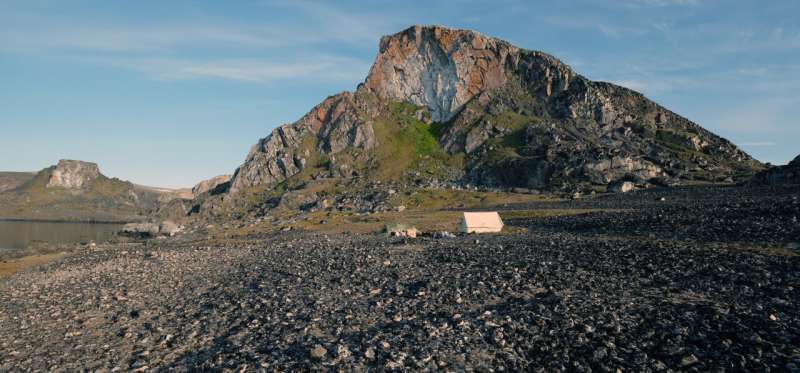
Archaeologists have discovered compelling evidence of repeated prehistoric occupation in the remote island cluster of Kitsissut, located north of Greenland, shedding light on the lives of the first inhabitants of the High Arctic. This research indicates that these early peoples were not only skilled seafarers but also significantly influenced the ecological landscape of the region.
According to a study published in the journal Antiquity, the first humans arrived in the High Arctic of Kalaallit Nunaat approximately 4,500 years ago, shortly after the retreat of glaciers. While their adaptability to the region’s challenging conditions has been established, the extent of their impact on the developing ecology was less clear due to poor archaeological preservation.
Archaeological Findings at Kitsissut
Researchers from the University of Calgary and Ilisimatusarfik/University of Greenland conducted an extensive archaeological survey at Kitsissut, uncovering nearly 300 archaeological features. Among these were Early Paleo-Inuit tent rings and hearths, which provide evidence of repeated visits to these islands dating back to the initial human settlement.
Kitsissut is situated within Pikialasorsuaq, a unique polynya environment that stretches between northern Greenland and Canada. Polynyas are areas of Arctic ocean that remain unfrozen during winter, necessitating a perilous 50-kilometre open-water crossing to reach the islands. This journey represents the longest inferred watercraft voyage for this period in the entire Arctic.
“That’s an extraordinary voyage in small skin-on-frame watercraft,” said lead author Dr. Matthew Walls. “It would have required facing erratic weather, strong crosswinds, powerful currents, and a very high risk of being swept into the expanse of Baffin Bay.” The regularity of these journeys indicates a remarkable level of maritime skill among the Paleo-Inuit communities, suggesting their activities extended beyond land and near-shore engagements.
Impact on Arctic Ecosystems
The findings emphasize that the Paleo-Inuit were adept at bridging terrestrial and marine ecosystems shortly after glacial retreat. “Our findings enhance the Indigenous story of High Arctic environments,” Walls noted. “Reaching Kitsissut required skills that would have been a defining part of social life, passed down and refined as each generation re-learned by going out into the sea to travel and hunt.”
These early inhabitants were intricately connected to the ecology of Pikialasorsuaq, accessing marine mammals and seabirds well into open waters. Their engagement with these ecosystems likely shaped the ecological landscape of Inuit lands as we know them today. “By hunting, harvesting, and moving marine nutrients onto the land, these first navigators likely acted as ‘ecological engineers’ alongside species like seabirds,” Walls concluded.
The research emphasizes that the ecological history of the Arctic has always been intertwined with Indigenous presence and stewardship, highlighting the profound and lasting impact of early human activity on these environments.
This study not only contributes to our understanding of early human adaptations in extreme environments but also reinforces the importance of Indigenous contributions to ecological systems in the Arctic.
















