








































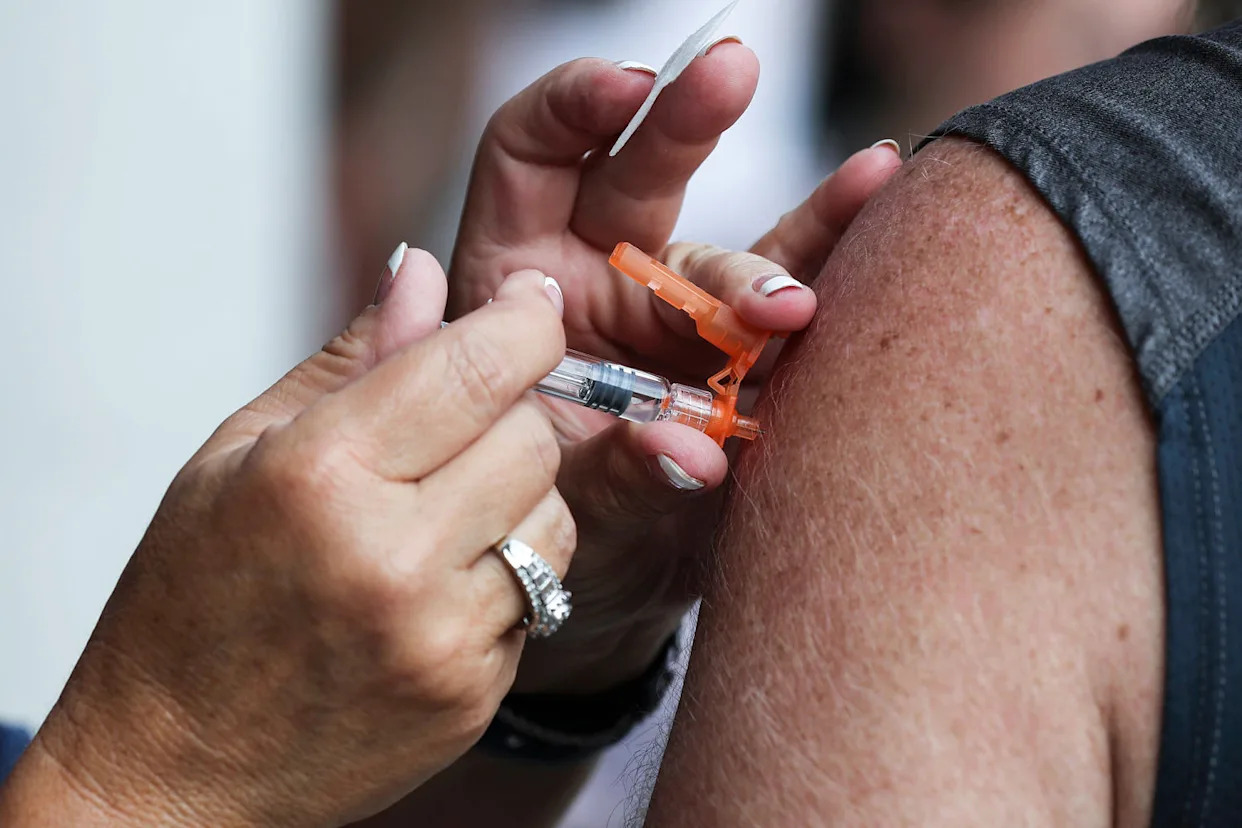
As vaccination rates for tetanus decline, health professionals are increasingly concerned about a resurgence of this potentially fatal bacterial infection. In the United States, the number of reported tetanus cases has risen from 32 in 2024 to at least 37 this year, marking the highest number of cases in over a decade. The decline in vaccinations, combined with a rise in climate change-related natural disasters, is heightening the risk of exposure to tetanus.
Historically, the introduction of the tetanus vaccine in 1948, when it was combined with the diphtheria and pertussis vaccines, dramatically reduced reported cases. From over 600 cases annually, the figures dwindled to around 15 to 28 in recent years. Yet, as highlighted by an investigation from NBC News and Stanford University, vaccination rates for the diphtheria-tetanus-pertussis (DTaP) series of shots have fallen significantly. Data show that more than 75% of counties across the U.S. experienced declines in kindergarten vaccination rates since 2019, leaving many children unprotected against tetanus.
Tetanus is not transmitted from person to person, meaning herd immunity does not apply. This lack of collective immunity increases individual vulnerability as vaccination rates drop. Symptoms may appear between 3 and 21 days after infection and can include painful muscle spasms that complicate breathing. The condition, often referred to as lockjaw, can result in a grim facial expression known as risus sardonicus, a sign of severe infection.
Dr. Mobeen Rathore, chief of pediatric infectious diseases and immunology at the University of Florida College of Medicine-Jacksonville, expressed his concern about the rising number of cases. He noted that a recent unvaccinated 9-year-old patient presented with symptoms reminiscent of his medical school days when tetanus wards were common. “The slightest noise would cause many of these patients to go into spasm,” he recalled, emphasizing the challenges of managing such cases in modern hospital environments.
The financial implications of tetanus infections are staggering. According to a case report from the Centers for Disease Control and Prevention (CDC), an unvaccinated boy in Oregon incurred nearly $1 million in medical bills after contracting tetanus in 2019. Dr. Rathore articulated the financial disparity, stating, “It’s not even pennies to dollars; it’s pennies to hundreds of thousands of dollars.”
A recent incident involving 42-year-old Nikki Arellano from Reno, Nevada, further illustrates the danger. After sustaining a minor leg injury, she developed tetanus, leading to a week-long hospital stay. Arellano described her experience with muscle spasms that escalated to full-body contractions. “It was very scary,” she said, highlighting the severe consequences of the disease.
The risk of tetanus outbreaks is exacerbated by natural disasters, which are expected to increase with climate change. As climate-related incidents like hurricanes and floods become more frequent, the potential for injuries that could lead to tetanus rises. Kristie Ebi, an epidemiologist at the University of Washington, noted that natural disasters often lead to injuries from debris, increasing the risk of infection in areas with low vaccination rates.
States such as Florida, Texas, and Kansas, which frequently experience severe weather events, are witnessing notable declines in tetanus vaccination rates. In Florida, the DTaP vaccination rate among kindergartners has dropped from 94.1% in the 2016-17 school year to 88.8% in 2024-25. In Broward County, known for its high hurricane risk, the vaccination rate is even lower at 82.2%.
Kansas has also seen a concerning trend, particularly in Ford County, which experiences the highest number of tornadoes in the state. Recent reports show that only 83.98% of kindergartners in Ford County were vaccinated against tetanus in the 2024-25 school year. A troubling case involved a 16-year-old boy who was hospitalized for a severe tetanus infection after treating a foot wound at home. He spent 40 days in intensive care, requiring sedatives and muscle relaxants while developing additional complications.
Dr. Matthew Davis, enterprise physician-in-chief at Nemours Children’s Health, emphasized the importance of vaccination in reducing tetanus cases and mortality. “It wasn’t until we had widespread vaccination that we saw a decline in cases of tetanus,” he stated, reiterating the crucial role that immunization plays in public health.
The implications of declining vaccination rates are stark. John Johnson, a vaccination and epidemic response adviser at Doctors Without Borders, noted the simplicity of preventing tetanus. “If you see one case of tetanus in the U.S., it’s a shame. There’s no reason we should be seeing this disease anymore,” he remarked, highlighting the avoidable nature of the disease.
Dr. Rathore expressed concern about the “post-vaccination era,” warning that children could suffer the consequences of waning vaccination rates. The rise in tetanus cases serves as a stark reminder of the critical need for public health initiatives aimed at increasing vaccination coverage to protect against this preventable disease.