









































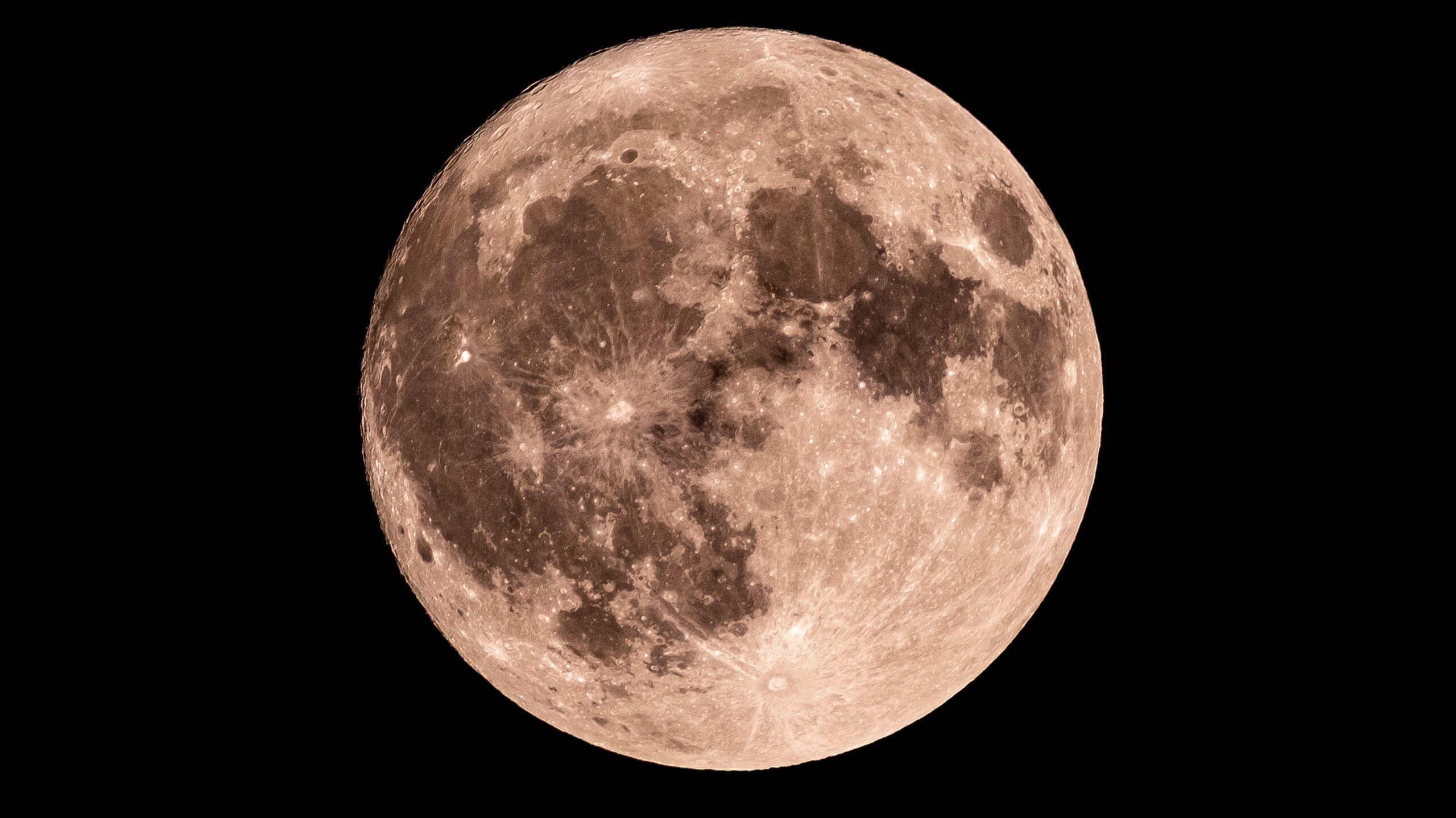
The Moon will display a Waning Crescent phase on January 17, with only 2% of its surface illuminated. While many might expect the New Moon to be fully dark, tonight’s sky offers a faint glimpse of the lunar body. As the Moon approaches the New Moon phase, its visibility diminishes significantly, making it nearly impossible to see without suitable equipment.
Understanding Moon Phases
Moon phases are an integral part of the lunar cycle, which lasts about 29.5 days, according to NASA. This cycle reflects the time it takes for the Moon to orbit Earth entirely. During this period, the Moon transitions through eight distinct phases, each varying in visibility due to its position relative to Earth and the Sun.
These eight phases are:
1. **New Moon**: The Moon is located between Earth and the Sun, rendering it invisible from our perspective.
2. **Waxing Crescent**: A small section of the Moon’s surface begins to light up on the right side.
3. **First Quarter**: Half of the Moon is illuminated on the right, appearing as a classic half-Moon.
4. **Waxing Gibbous**: More than half of the Moon is lit as it grows closer to full illumination.
5. **Full Moon**: The entire face of the Moon is illuminated and visible.
6. **Waning Gibbous**: The light begins to decrease on the right side as the Moon starts to wane.
7. **Third Quarter (Last Quarter)**: Another half-Moon, but this time the left side is illuminated.
8. **Waning Crescent**: A thin sliver of light remains on the left side before the Moon returns to darkness.
The visibility of the Moon changes due to the varying amounts of sunlight that reach it based on its orbit. Although the same side of the Moon always faces Earth, the changing light creates a dynamic display throughout the month.
Upcoming Lunar Events
Following the Waning Crescent phase, the next significant lunar event will be the Full Moon on February 1. The last Full Moon was observed on January 3, providing a stark contrast to the diminishing light seen now. Enthusiasts and casual observers alike can look forward to the changes the Moon will undergo as it progresses through its cycle.
For those interested in astronomy, this evening offers a moment to appreciate the subtle beauty of the night sky. Despite the low visibility, understanding the phases of the Moon can enhance your celestial experience and foster a deeper connection with the rhythms of nature. As we await the New Moon, take a moment to look up and reflect on the wonders of our solar system.
















