









































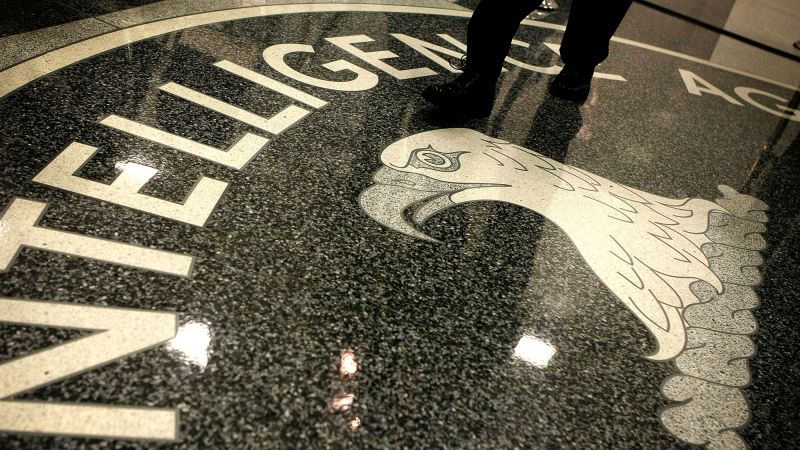
The Central Intelligence Agency (CIA) has discontinued its World Factbook, a widely used online resource that provided essential information about countries, economies, and populations. The abrupt shutdown occurred on February 4, 2024, leaving educators, researchers, and the general public without access to this long-standing reference.
On the day of the termination, Taylor Hale, a social studies teacher in Oklahoma City, was instructing his sixth-grade students on comparing the gross domestic products of Honduras, El Salvador, and Nicaragua. When his students attempted to access The World Factbook, they encountered a webpage announcing its closure. “It was always there, and now it’s not,” Hale stated, expressing concern over the sudden loss of a valuable educational tool.
For decades, The World Factbook served as a reliable source for teachers, travelers, and journalists. John Devine, a government information research specialist at the Boston Public Library, noted that the CIA’s annual updates made it the best source for population statistics. “It’s a tough loss,” Devine remarked, highlighting the challenges educators will face in finding comparable data from other sources.
Originally launched in 1962 as a classified publication, The World Factbook transitioned to an unclassified version in 1971 and became publicly available in print in 1975. It was renamed in 1981 and went digital in 1997. Despite its extensive history and significant role in providing accurate information, the CIA announced its closure with little notice or explanation. On its website, the agency offered a farewell message but did not clarify the reasons behind the decision or the fate of the data.
Simon Willison, a data journalist, has taken the initiative to preserve the information by downloading the data and making it accessible online, though the latest material available dates back to 2020. This effort comes at a time when the reliability of government information sources is under scrutiny. The closure of The World Factbook coincided with significant layoffs at the Washington Post, including cuts to its international reporting staff.
Hale expressed concern that the termination is indicative of a broader trend towards censorship and misinformation in the United States. He likened the situation to recent government actions affecting various institutions, claiming it contributes to a culture of ignorance. “It just feels like they want to make us a very ignorant country,” he said.
The impact of The World Factbook’s shutdown extends beyond the classroom. Alexi Lenington, a high school social studies teacher in Texas, emphasized the importance of having a neutral and credible source for data. He noted that the Factbook was vital for a schoolwide initiative where students were set to explore various cultures. Lenington acknowledged the difficulty in finding an equally reliable substitute.
News organizations are also grappling with the loss of this resource. Lizzie Jury, director of CNN’s editorial research team, highlighted that the news organization had previously relied on The World Factbook for country statistics. The absence of this resource complicates the research process for journalists, as they now face the challenge of sourcing data from potentially less reliable alternatives.
Educators like Hale and Lenington now find themselves seeking alternative data sources to fill the gap left by The World Factbook. The sudden loss of this comprehensive reference tool underscores the importance of reliable information in education and reporting, raising questions about the future of public access to critical data.
















