









































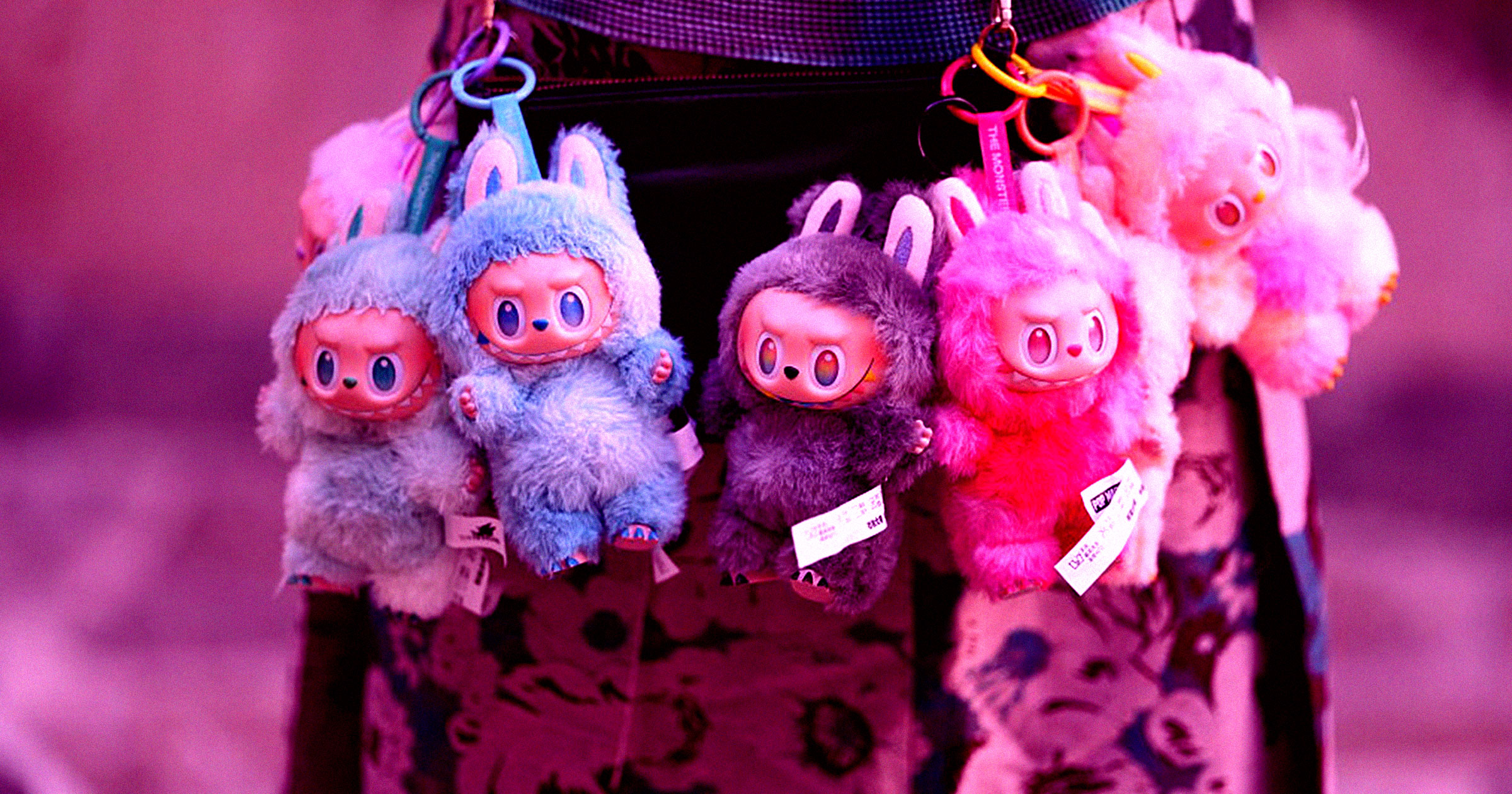
The popularity of the small, gremlin-like plush toys known as Labubus has soared globally, prompting a significant secondary market with prices reaching as high as $10,000. However, a recent investigation has raised serious concerns regarding the labor practices associated with their production. According to China Labor Watch (CLW), a New York-based labor rights organization, the Chinese manufacturer Pop Mart is allegedly employing underage workers at its factory in Jiangxi Province without providing necessary labor protections.
The allegations suggest that 16- and 17-year-olds are working in conditions that violate Chinese labor laws. The factory, which employs over 4,500 workers, is a significant supplier for Pop Mart’s Labubus line. CLW conducted an investigation last year, which included on-site interviews and document reviews, and uncovered numerous labor issues.
Among the findings were claims of inadequate health and safety training, the absence of a labor union, and a lack of an effective grievance mechanism. Workers reported instances of bullying from management and verbal sexual harassment, alongside complaints regarding poor living and dining conditions. The organization noted that many underage employees did not fully understand the contracts they signed, raising concerns about their knowledge of their legal rights.
CLW is urging Shunjia Toys, the original equipment manufacturer operating the factory, to take immediate action. The group calls for fair compensation for workers and compliance with both Chinese labor laws and internationally recognized labor standards.
These allegations are part of a broader pattern of labor rights violations associated with Chinese manufacturers. Reports of child labor and forced labor, particularly affecting ethnic minorities in the Xinjiang region, have surfaced in various industries.
Despite these serious claims, Pop Mart has experienced remarkable growth during the Labubu craze. The company anticipates revenues exceeding $4 billion by 2025, with plush product sales skyrocketing by over 1,200 percent last year, constituting nearly half of its total revenue.
As collectors continue to seek out these viral collectibles, they may want to consider the potential ethical implications behind their purchases. Attempts to contact Shunjia Toys for comment have gone unanswered, leaving many questions about the human impact of this booming market.
This situation underscores the need for increased scrutiny on labor practices within the toy industry, as consumers become more aware of the potential exploitation involved in the production of popular goods.
















