





































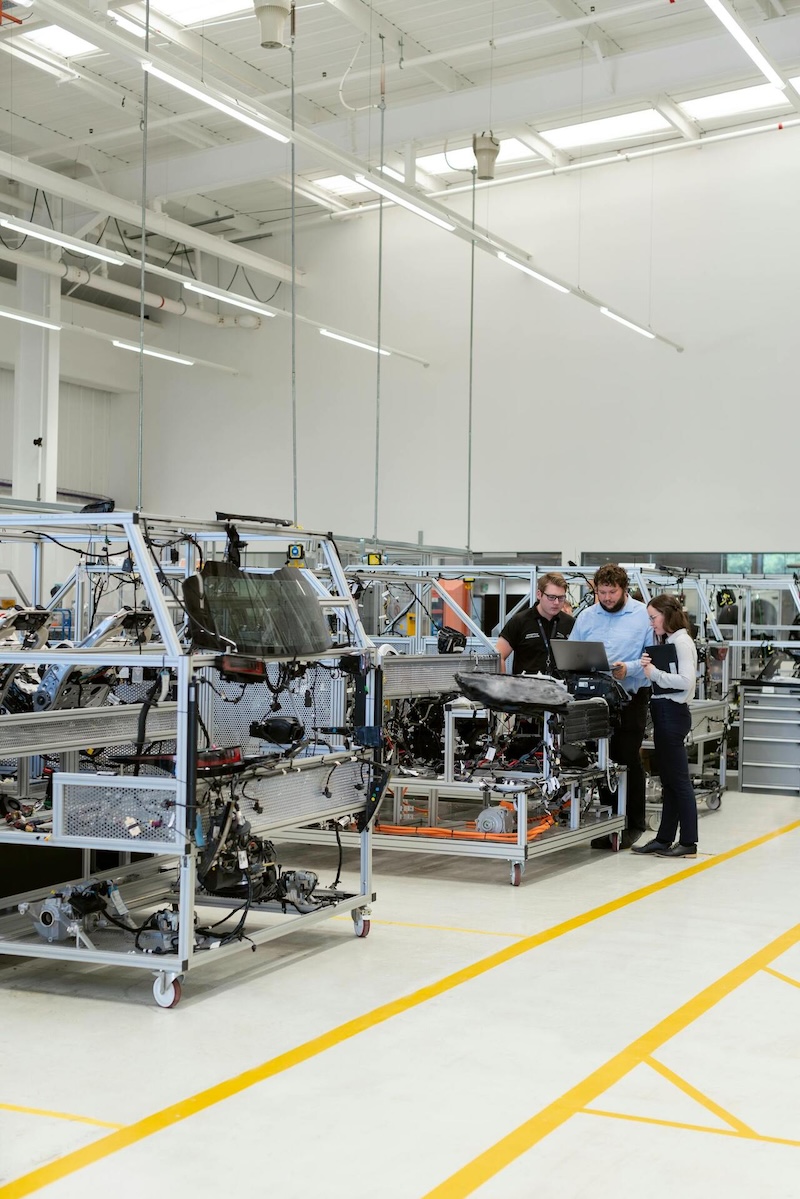
The industrial robotics sector is undergoing a significant transformation with the adoption of 3D guidance systems, enhancing the efficiency and adaptability of automated processes. This evolution marks a departure from the traditional reliance on pre-programmed movements, shifting towards more dynamic and intelligent robotic operations. The integration of advanced vision systems has played a crucial role in this shift, positioning companies to meet the demands of modern manufacturing environments.
The Shift from 2D to 3D Vision Technologies
Initially, most industrial robots operated using 2D vision systems, which limited their ability to adapt to complex environments. These systems relied heavily on fixed coordinates and pre-defined paths, making them less effective in dynamic settings. However, as technology advanced, the industry began to recognize the limitations of 2D guidance, prompting a transition to 3D vision systems.
The introduction of 3D guidance has allowed robots to perceive their surroundings in a more comprehensive manner. This technology enables robots to assess depth, volume, and spatial relationships, which are critical for tasks requiring precision and flexibility. According to a report by MarketsandMarkets, the global market for advanced robotics is projected to reach $51 billion by 2025, largely driven by innovations like 3D vision.
Impact on Industrial Processes
The implementation of 3D guidance has led to marked improvements in various industrial applications. Robots equipped with this technology can navigate complex layouts, adapt to unexpected obstacles, and carry out intricate tasks with greater accuracy. This adaptability not only boosts productivity but also enhances safety in manufacturing environments.
For instance, in the automotive sector, 3D-guided robots are increasingly deployed for assembly and quality control processes. They can quickly adjust to variations in part shapes or sizes, reducing waste and downtime. As a result, companies are achieving higher output rates while minimizing errors, ultimately improving their bottom line.
Furthermore, the integration of 3D technology facilitates better collaboration between humans and machines. Robots can now perform tasks alongside human workers without the need for rigid safety barriers, thanks to their enhanced ability to sense and respond to human presence.
The ongoing advancements in 3D vision technology continue to attract investment and interest from various sectors. As manufacturers seek to maintain competitiveness in a rapidly evolving marketplace, embracing these innovations appears to be a strategic necessity.
In summary, the move towards 3D guidance systems represents a pivotal shift in industrial robotics. This technology not only enhances operational efficiency but also sets the stage for the future of manufacturing, where adaptability and precision are paramount. As the robotics industry progresses, the implications of this transformation will undoubtedly reverberate across the global market, reshaping how businesses operate and compete.