









































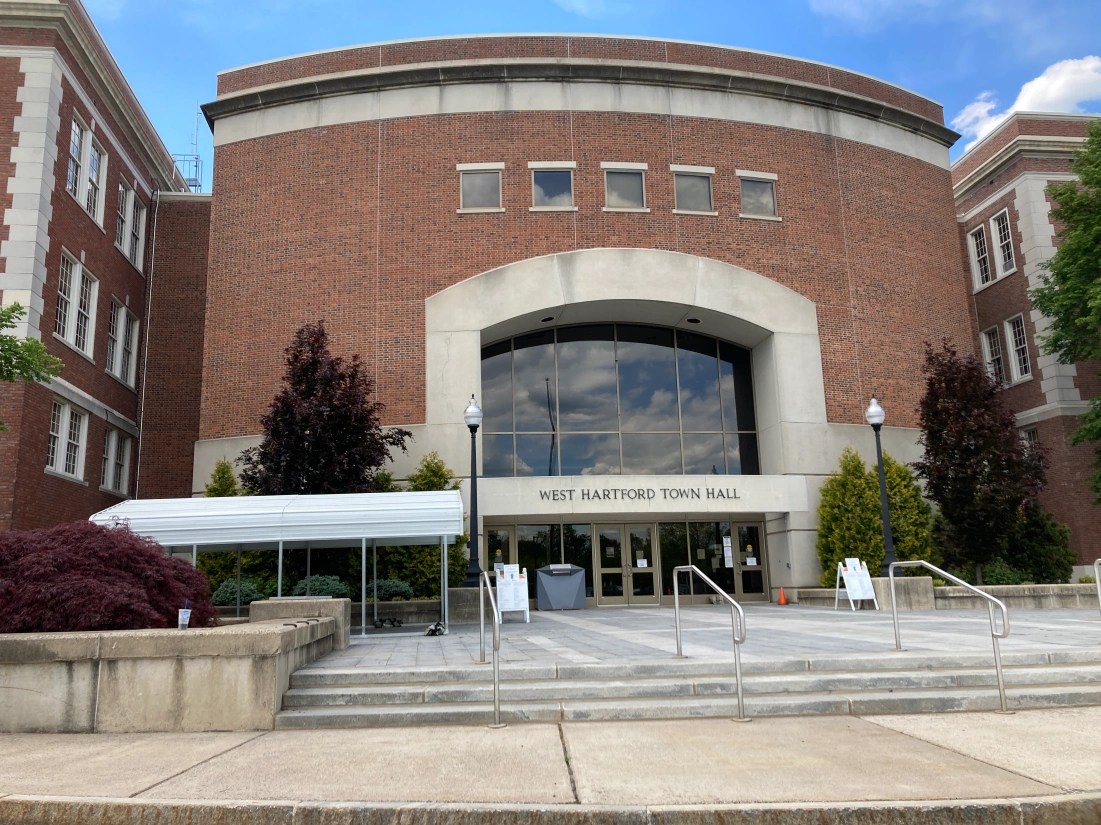
The West Hartford Town Council voted against a proposal that aimed to modify zoning regulations to permit recreational vehicle (RV) storage at homes. The measure, put forward by resident Michael Cervone, was intended to clarify existing zoning ambiguities while maintaining the aesthetic integrity of neighborhoods. The council rejected the proposal with a vote of 7-2.
Cervone presented his case during a recent council hearing, suggesting changes to Section 177-2 and Section 177-6 of the West Hartford Zoning Ordinances. His proposal sought to define what constitutes a recreational vehicle and establish clear standards for its outdoor storage in single-family residential districts. Cervone argued that the current zoning code does not address RVs, leading to confusion for residents and enforcement staff alike.
“This is a target proposal intended to bring clarity, where there is currently ambiguity,” Cervone stated. He emphasized that the lack of definition around recreational vehicles has resulted in inconsistent enforcement and disputes among homeowners striving to comply with regulations. “West Hartford is an outlier,” he added, pointing out that surrounding communities have adopted similar measures.
Cervone’s proposed changes included a clear definition of recreational vehicles, encompassing motor homes, campers, travel trailers, and other related vehicles. He aimed to standardize how these vehicles could be stored, suggesting that if parked outside, they should be located at the rear of the main building on the lot and at least 10 feet from side or rear lot lines. This was intended to minimize visual impact on neighbors while preventing RVs from being parked in driveways or front yards.
Under Cervone’s proposal, any recreational vehicle stored outdoors would need to be kept in good repair and not used for sleeping or living. He highlighted that the ordinance would also require adequate screening from public view, addressing concerns about aesthetics and neighborhood character.
Despite Cervone’s compelling arguments, the proposal faced challenges during the meeting. Todd Dumais, West Hartford Town Planner, indicated that the Planning & Zoning department had reservations regarding the ordinance’s language, suggesting it was ambiguous and could impose an enforcement burden on the town. Dumais expressed concerns about the permissiveness of the definition of recreational vehicles, particularly regarding non-commercial utility trailers.
Following the vote, council members expressed differing views on the proposal. Jason Wang voiced his support, stating, “I just think it’s a free country, and you’re not hurting anybody by owning an RV.” He highlighted the unfairness of taxing RVs while prohibiting their storage on private property. Fellow council member Gayle Harris questioned the taxation of vehicles that residents are not allowed to keep at home.
Mayor Shari Cantor acknowledged the thoughtful nature of Cervone’s proposal but indicated that it was too broad in its current form. “I believe the concerns raised are legitimate,” she said, suggesting that further study in committee could yield a more tailored ordinance.
The council’s decision highlights ongoing discussions about zoning regulations and their impact on community living in West Hartford. As residents continue to navigate these complexities, the need for clear guidelines on recreational vehicle storage remains a pressing issue.
















