









































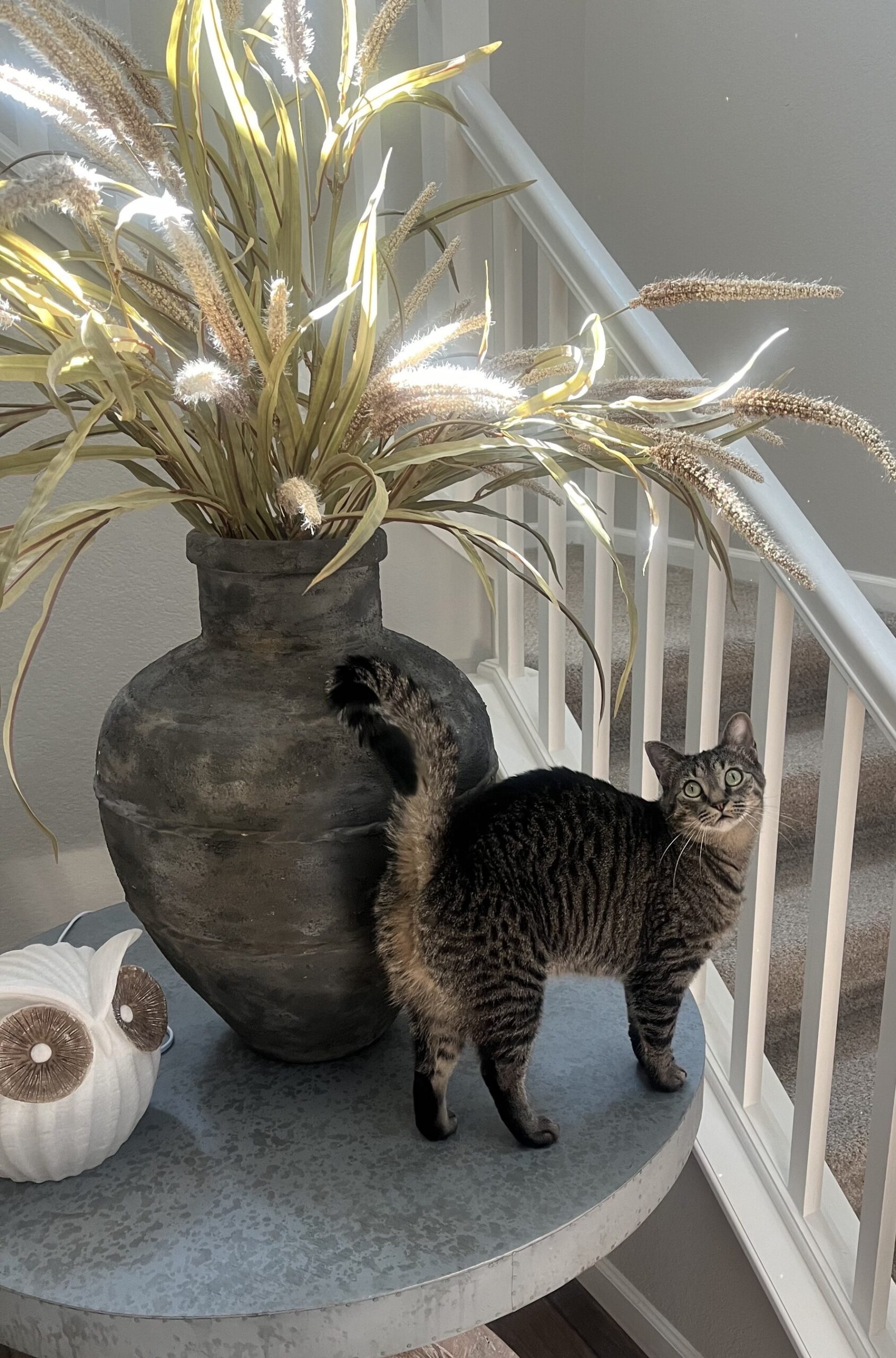
A veterinarian in Minneapolis recently faced a potentially dangerous situation when her cat, Doja, was inadvertently exposed to toxic plants in her office. Dr. Mercedes Muldoon, who is well aware of the risks certain flowers pose to pets, took precautions to keep a bouquet gifted to a family member out of Doja’s reach. Unfortunately, the cat managed to sneak into the office and became trapped for about an hour, during which she began exploring the area.
The bouquet contained several flowers known to cause gastrointestinal upset in pets, including Peruvian lilies, roses, and carnations. Additionally, a potted shamrock plant was present, which prompted concern due to its potential toxicity. This incident coincides with January 10, which is recognized as National Houseplant Appreciation Day, making it a timely reminder from experts at the Pet Poison Helpline about the dangers some household plants pose to pets.
Dr. Renee Schmid, a senior veterinary toxicologist and director of Veterinary Medicine at Pet Poison Helpline, reassured pet owners. “Fortunately, the type of lily Doja came in contact with was not expected to cause severe toxicity,” she explained. She emphasized that true lilies and daylilies are particularly hazardous for cats, as even minor ingestions can lead to acute renal failure.
Despite the bouquet containing multiple flowers capable of causing gastrointestinal upset, the primary concern was the shamrock plant. According to Dr. Schmid, its bitter taste usually deters pets from eating it. However, ingestion can result in a sudden drop in calcium levels and, in rare instances, acute renal failure.
After assessing the situation, Dr. Muldoon provided the Pet Poison Helpline with a description of the flowers and plants in her office. Fortunately, it was determined that Doja had not ingested enough of any item to require treatment. This situation highlights a broader issue; while there are over 50,000 licensed veterinarians in the United States, fewer than 100 veterinary toxicologists exist, leading many veterinarians to seek guidance from specialists for their own pets.
Dr. Schmid noted that while lilies pose a significant risk to cats, other houseplants can be more dangerous for dogs. For instance, the sago palm, commonly found in homes, is highly toxic. All parts of the sago palm are poisonous, with the seeds being the most dangerous. Ingestion can lead to severe liver failure in dogs, with symptoms such as vomiting, diarrhea, and lethargy. Even with intensive treatment, the survival rate remains around 50 percent.
The Pet Poison Helpline offers a searchable database of potential pet poisons on its website. Dr. Schmid advises pet owners to consult this resource or contact the helpline immediately if they suspect their pet has ingested something harmful. “We’re here to help save pets’ lives,” she stated.
To further educate pet owners and the veterinary community, Pet Poison Helpline created the Toxin Tails initiative, which shares success stories of pets that have recovered from poisoning. Dr. Schmid recently announced the 2025 Case of the Year, which featured a family of pets that were poisoned after consuming toxic reef fish. The winning family will receive a basket of Pet Poison Helpline merchandise, and the veterinary team that treated them will benefit from free consultations and a lunch for their staff.
As a leading animal poison control center, Pet Poison Helpline is available 24/7 for pet owners and veterinary professionals needing assistance with potentially poisoned pets. Their services are cost-effective, with a fee of $89 per incident, which includes follow-up consultations for the duration of the case. Operating from Minneapolis, the helpline can be reached at 800-213-6680, and additional information is available on their website at www.petpoisonhelpline.com.
















