









































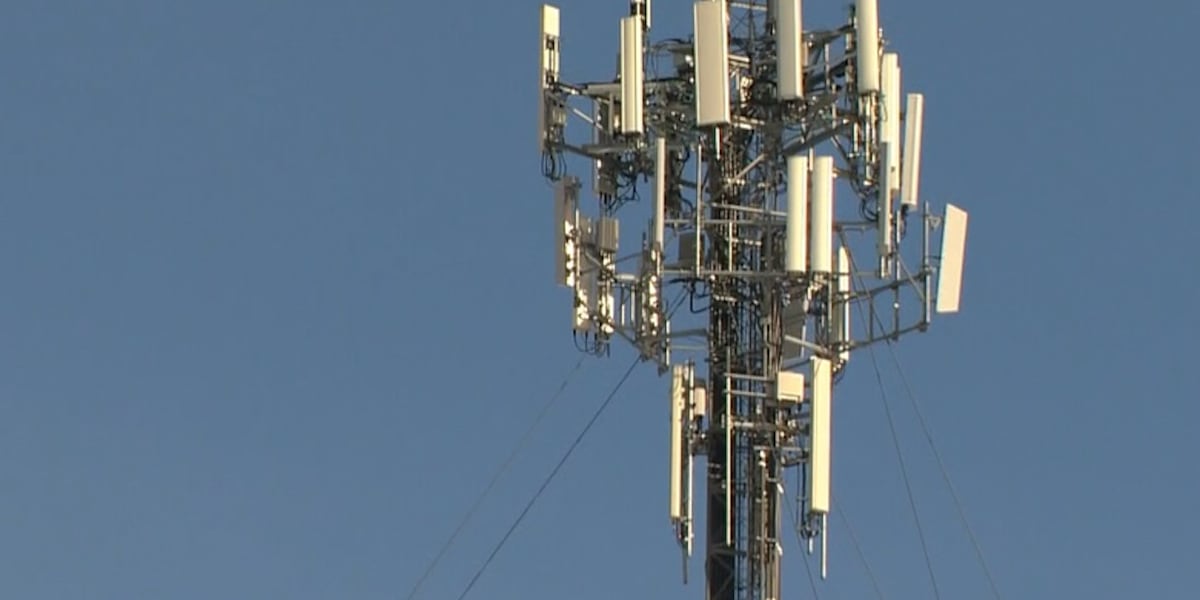
House lawmakers in Vermont have decided to maintain the current oversight of the state’s cell tower approval process under the Public Utility Commission (PUC). On Thursday, a preliminary vote rejected proposals to shift this responsibility to Act 250, which would allow citizens greater opportunities to challenge projects in environmental court.
The decision comes amid ongoing concerns regarding cell service availability in many Vermont towns, which some residents argue poses a public safety risk. Lawmakers faced pressure to enhance community engagement in the approval process, as many towns struggle with inadequate cell service and the potential implications for emergency communications.
Advocates for moving the approval process to Act 250 highlighted the need for increased transparency and public input. Under Act 250, residents can more easily voice their concerns about new developments, which would include the installation of cell towers. This approach would provide a more structured platform for communities to engage with the decision-making process.
Despite these arguments, telecom experts emphasized the necessity of cell towers as critical infrastructure for public safety. They argued that streamlined oversight under the PUC is essential for the timely deployment of cell service solutions. The House’s decision reflects a balancing act between ensuring community input and recognizing the urgency of improving communication networks throughout the state.
The vote to retain the PUC’s oversight authority underscores a broader debate about how best to manage infrastructure development in Vermont. As lawmakers continue to weigh the implications of their decisions, the issue remains a priority for residents who depend on reliable cell service for safety and connectivity.
Moving forward, discussions are likely to persist regarding the best path to ensure adequate cell service while addressing community concerns. The Vermont House’s action is a significant step in shaping the future of telecommunications in the region, as they navigate the complexities of public safety and environmental considerations.
















