







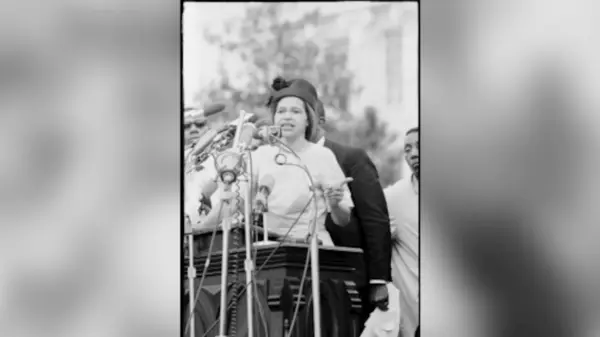



























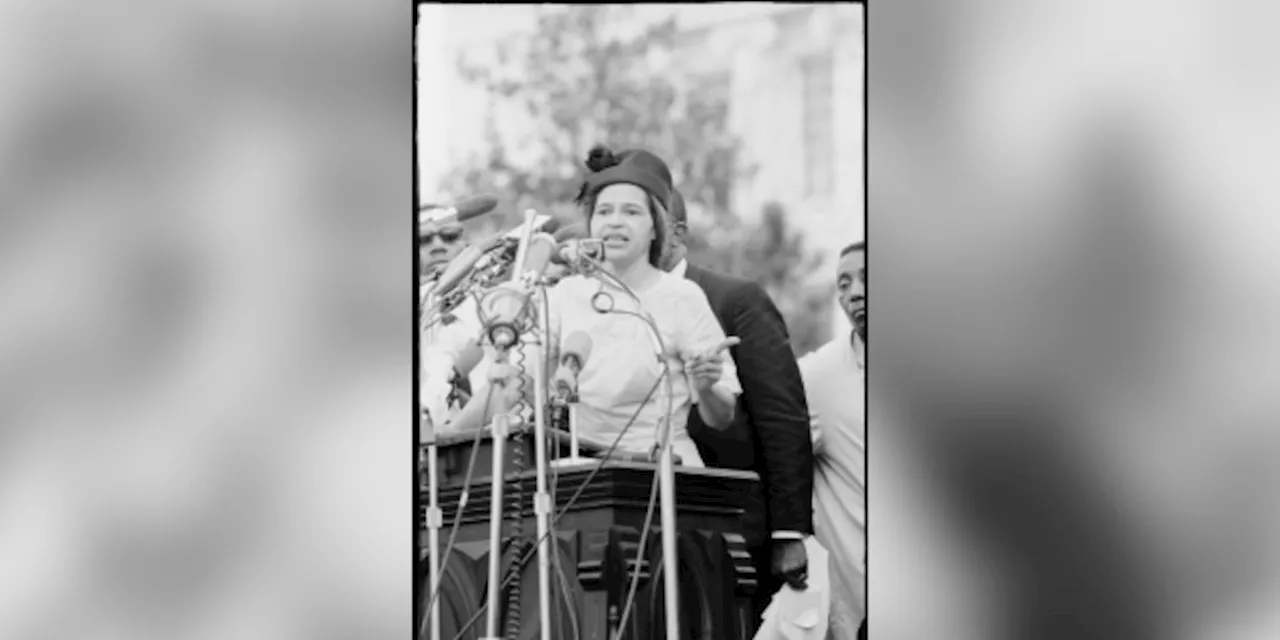
Newly released photographs of civil rights icon Rosa Parks have surfaced in Montgomery, Alabama, shedding light on lesser-known aspects of her legacy. Taken by renowned civil rights photographer Matt Herron, these images were made public for the first time on December 7, 2023, showcasing Parks during the historic Selma to Montgomery march in 1965.
The collection of photographs emphasizes that Parks’ activism extended well beyond her pivotal moment on a bus in Montgomery in December 1955. Donna Beisel, director of the Rosa Parks Museum, noted that these photos, taken a decade after the Montgomery Bus Boycott, serve as a reminder of the extensive contributions Parks made to the civil rights movement.
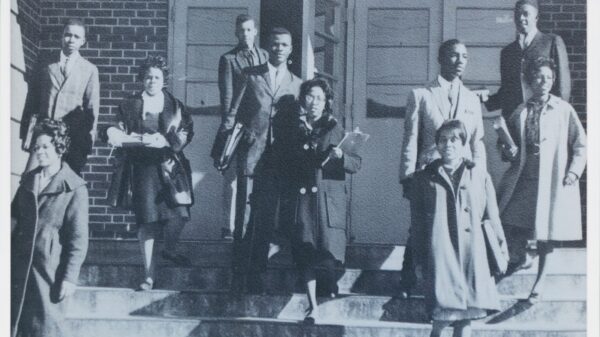
Herron’s work, previously confined to contact sheets stored at Stanford University, captures not only prominent civil rights figures but also the everyday individuals who played crucial roles in the movement. Many of the newly released images had not been selected for publication due to technical issues or the lack of recognition of the subjects at the time.
Rediscovering History Through Photography
The release of these photographs has sparked renewed interest in the history of the civil rights movement. Jeannine Herron, the photographer’s widow, expressed the significance of reconnecting these images with the communities they represent. “It’s so important to get that information from history into local people’s understanding of what their families did,” she said.
Among the notable subjects in the collection is Doris Wilson, a 20-year-old participant in the Selma to Montgomery march. Wilson, who attended the unveiling of the photos, recognized some images but was surprised to see others, particularly one showing her receiving medical treatment for blisters sustained during the march. This particular photo had remained unseen until now, illustrating the personal sacrifices made by individuals in the fight for civil rights.
Wilson’s experience reflects a broader narrative of endurance and resilience among the marchers. The doctor treating her injuries, June Finer, also attended the event, leading to an emotional reunion after six decades. “Are you the one who rubbed my feet?” Wilson asked, as the two women embraced, reminiscing about their shared history.
Connecting Generations and Communities
The release of the photographs has drawn attention from various communities in Alabama, particularly those with ties to the civil rights movement. Residents of Marion, where Wilson grew up, gathered at the Lincoln Normal School, a historic institution founded by formerly enslaved individuals. As they viewed the black-and-white images, many recognized familiar faces from their past.
Cheryl Gardner Davis, who as a child hosted marchers at her family’s farm, expressed her gratitude for the photographs that document her family’s involvement. “I never knew how significant our actions were until I grew older,” she reflected, acknowledging the sacrifices her family made during a tumultuous time.
These newly released photographs not only celebrate the legacy of Rosa Parks but also highlight the collective efforts of countless individuals who contributed to the civil rights movement. By making these images accessible, historians and community leaders aim to foster a deeper understanding of the past and inspire future generations.
As communities continue to engage with this vital history, the importance of preserving and sharing these stories remains paramount. The journey of Rosa Parks and her fellow activists serves as a powerful reminder of the ongoing struggle for justice and equality.