









































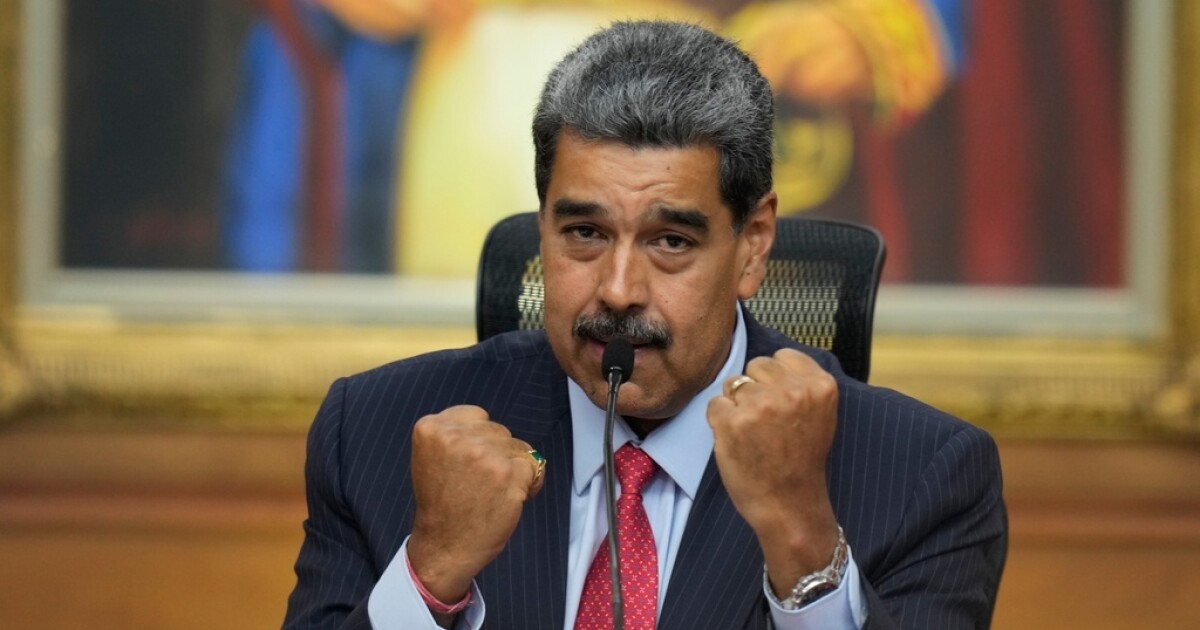
The capture of Venezuelan leader Nicolas Maduro by U.S. military forces during a weekend operation has ignited significant discussion among lawmakers and political analysts regarding the future of Venezuela and its leadership. Maduro is scheduled to make his initial court appearance on October 9, 2023, in New York City, where he faces multiple charges, including narco-terrorism, cocaine importation, and possession of a machine gun.
U.S. Attorney General Pam Bondi characterized the operation as the result of “months of coordination, detailed planning, and seamless execution across multiple components of the federal government.” She emphasized that the mission aimed to support ongoing criminal prosecutions linked to large-scale narcotics trafficking, which has not only destabilized the region but has also contributed to the drug crisis affecting American lives.
President Donald Trump announced Maduro’s capture early on October 7, calling the event a significant achievement in combating narcotics trafficking. Following the announcement, Delcy Rodriguez, Venezuela’s Vice President and acting president, condemned the arrest as “barbaric” and demanded Maduro’s immediate release. In a pointed interview with The Atlantic, Trump issued a warning to Rodriguez, stating, “If she doesn’t do what’s right, she is going to pay a very big price, probably bigger than Maduro.”
Concerns have been raised among Democratic lawmakers regarding Trump’s remarks suggesting that the United States will “run” Venezuela for the time being. They are questioning the potential financial implications for American taxpayers and whether this indicates a long-term military presence in the country. In response, Secretary of State Marco Rubio defended the operation, insisting that the U.S. is not at war with Venezuela and rejected the idea of American takeover.
Rubio stated in a recent interview, “Here’s the bottom line on it: we expect to see changes in Venezuela. Changes of all kinds — long-term and short-term — we’d love to see all kinds of changes.” He emphasized that U.S. involvement is driven by national interests and the direct impact on the United States.
A classified briefing on the situation is expected to be delivered to lawmakers later this evening by Rubio and Defense Secretary Pete Hegseth, as discussions continue regarding the implications of Maduro’s capture for both Venezuela and U.S. foreign policy. As the situation develops, the world watches closely, anticipating potential shifts in the political landscape of Venezuela and the broader region.
















