









































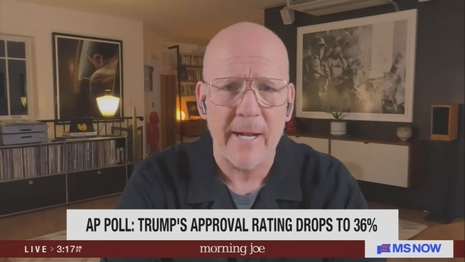
On February 13, 2026, the panel on MSNBC’s Morning Joe engaged in a discussion concerning President Donald Trump and his connections to the Jeffrey Epstein controversy. The segment featured commentary suggesting that Trump’s demeanor and responses reflect a sense of guilt, despite panelists acknowledging a lack of concrete evidence regarding any illegal activity.
The discussion began with a clip of Trump responding to a reporter’s question about Commerce Secretary Howard Lutnick visiting Epstein’s Caribbean island. Trump asserted, “I was never there,” distancing himself from any implication of wrongdoing. Yet, the conversation quickly turned to speculation about Trump’s behavior, with John Heilemann, a political analyst, stating that Trump and his associates have “acted guilty” throughout the ongoing controversy.
Heilemann expressed that this conduct creates an impression of secrecy, leading him to conclude that Trump could be “guilty of something.” Notably, he admitted, “We still don’t really know what, if anything, Donald Trump did that might be illegal, that might be criminal, it might just be immoral.”
This statement highlighted a key point: while the panel suggested that Trump’s actions may be morally questionable, they did not cite specific instances of misconduct. Instead, they focused on the perception of guilt. Heilemann emphasized that Trump’s and Bondi’s behavior contributed to an impression that they are concealing information, making viewers more curious about undisclosed documents related to the case.
Speculation Without Evidence
The commentary took a more psychological turn when Jen Palmieri, a former communications director for Hillary Clinton’s 2016 campaign, remarked on Trump’s demeanor. She noted that his reaction to questions about Lutnick seemed scripted, implying that someone had advised him to say he had not spoken to Lutnick. Palmieri described Trump’s behavior as indicating he was “guilty and scared,” further fueling the narrative of suspicion without providing evidence of any specific wrongdoing.
The discussion’s tone reflected a broader trend within the media landscape, where narratives surrounding political figures often morph into impressions that shape public perception. Heilemann pointed out that most Americans likely did not watch Bondi’s congressional testimony but predicted that shows like Saturday Night Live would amplify the story, influencing public opinion significantly.
This interaction exemplifies how entertainment platforms can play a role in shaping political narratives, particularly those that implicate figures like Trump in moral or criminal wrongdoing. Heilemann concluded that the behavior of Trump and his associates only intensifies calls for transparency regarding the two million documents that remain unreleased.
Concluding Thoughts on Responsibility in Reporting
Despite the strong assertions made during the segment, the panelists acknowledged that they could not specify any illegal acts Trump may have committed. This raises questions about the responsibility of commentators in discussing unverified claims. In political discourse, it is essential to differentiate between speculation and established facts, particularly when discussing sensitive topics involving public figures.
As the conversation continues to evolve, the implications of Trump’s association with Epstein remain a focal point for media outlets and the public alike. While speculation persists, the challenge remains to balance narrative construction with factual reporting, ensuring that discussions reflect verified information rather than assumptions based on perceived guilt.
















