





































Experts estimate that approximately 9 million migrants crossed illegally into the United States during the Joe Biden administration and have remained in the country. These individuals, classified by immigration officials as “removable,” are subject to potential expulsion from the US under current immigration laws. This surge in border crossings has become a focal point in the ongoing debate over immigration policy.
The figures highlight a significant challenge for the Biden administration, which has faced criticism from various quarters regarding its handling of immigration and border security. The situation at the southern border escalated notably from 2021 to 2023, with the number of apprehensions and crossings reaching unprecedented levels. According to data from the US Customs and Border Protection (CBP), the agency reported record monthly apprehensions during this period.
Political Implications of Immigration Trends
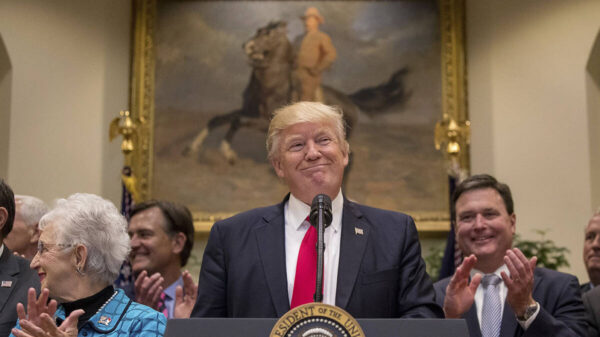
The stark increase in illegal crossings has been leveraged by former President Donald Trump as a key talking point in his political rhetoric. Trump asserts that the ongoing crisis at the border underscores failures in Biden’s immigration policies, claiming that his own administration had successfully managed to reduce illegal crossings. Supporters of Trump argue that his stringent border policies were effective in deterring illegal immigration, whereas the current administration’s approach has led to a rise in migrants entering the US.
While some experts acknowledge that enforcement measures play a critical role in managing immigration, they also stress the need for comprehensive reform that addresses the root causes of migration. Issues such as violence, poverty, and political instability in migrants’ home countries often drive them to seek refuge and better opportunities in the US.
The implications of these numbers extend beyond politics, affecting local communities and economies. Areas near the border have reported increased pressures on public services and infrastructure due to the influx of migrants. Additionally, the debate surrounding immigration continues to polarize opinions across the political spectrum, with advocates calling for humane treatment of migrants while critics demand stricter enforcement measures.
Future of US Immigration Policy
Looking ahead, the Biden administration faces critical decisions regarding immigration policy. The challenge lies in balancing humanitarian concerns with national security interests. With the potential for legislative changes on the horizon, the administration may need to address both the immediate challenges posed by the surge in crossings and the long-term need for reform.
As discussions around immigration continue, the situation remains fluid. The administration’s actions in the coming months will likely shape the future of US immigration policy and may influence public opinion ahead of the next election cycle. In the meantime, the high number of removable migrants continues to pose questions regarding the effectiveness of current policies and the need for a more sustainable approach to immigration.