









































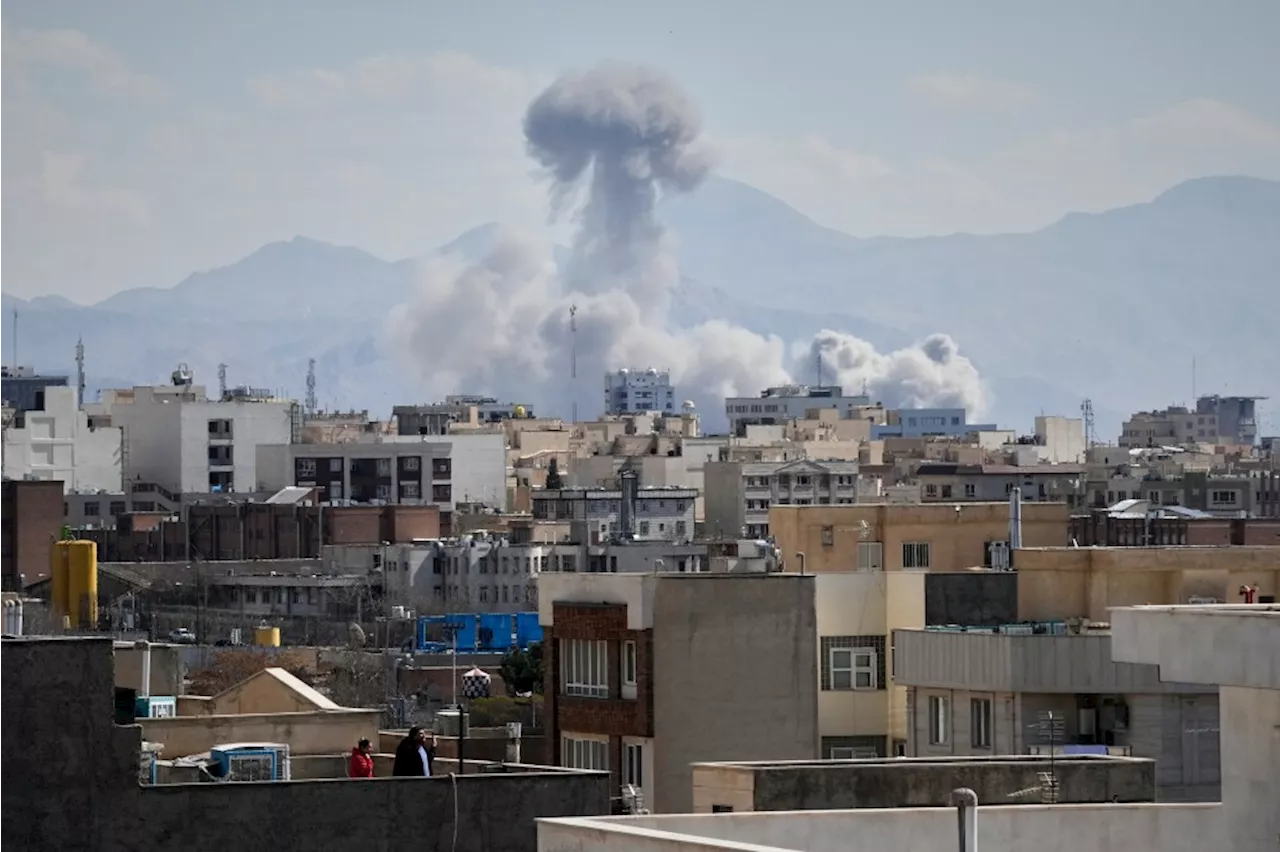
President Donald Trump announced on March 1, 2026, that “there will likely be more” U.S. service members killed in Iran as military operations continue following the death of Supreme Leader Ayatollah Ali Khamenei. The conflict has escalated dramatically since U.S. and Israeli airstrikes resulted in the death of Khamenei and numerous other senior Iranian officials.
In a somber statement, Trump described the fallen service members as “true American patriots” who made the ultimate sacrifice. He emphasized that operations in Iran are ongoing, stating, “Combat operations continue at this time in full force.” The president underscored the complexity of the military offensives, labeling them “one of the most complex, most overwhelming military offensives the world has ever seen.”
Thousands of Iranian citizens expressed their grief in the streets, notably in Yazd, where Shiite clerics led mourning ceremonies. Demonstrations erupted globally, with supporters of the Iranian government and anti-U.S. sentiment visible in cities such as Istanbul, Lahore, and even New York. Protesters burned images of Trump and condemned U.S. actions, while others rallied in support of the strikes.
Amid this turmoil, Iranian officials have vowed to retaliate. Foreign Minister Abbas Araghchi stated that the Islamic Republic has spent two decades studying U.S. military operations and feels capable of responding effectively. He asserted, “Bombings in our capital have no impact on our ability to conduct war,” highlighting Iran’s decentralized defense strategies.
As the conflict unfolds, international reactions are intensifying. Top diplomats from Gulf states held an emergency meeting to address security concerns, condemning Iranian missile attacks that have targeted their territories. They declared their right to self-defense under international law.
In a related development, Prime Minister Keir Starmer of the United Kingdom confirmed that while the U.K. would not join offensive actions against Iran, it would allow the U.S. to use British military bases for operations targeting Iranian missile sites. Starmer expressed concern for British citizens in the region, emphasizing the necessity of neutralizing threats posed by Iranian aggression.
The U.S. State Department has responded by allowing non-essential diplomats and their families to leave Bahrain and Qatar, citing security concerns. Updated travel advisories warn Americans to reconsider travel to these countries due to the ongoing conflict.
On the ground, the situation remains volatile. Reports indicate that Iranian missile attacks have caused significant damage, including fatalities from a strike on a synagogue in Beit Shemesh, Israel. Furthermore, Iranian projectiles have reportedly struck civilian areas in the United Arab Emirates, prompting its government to close its embassy in Tehran and withdraw diplomatic personnel.
The military operations have not only led to casualties among U.S. personnel but also raised significant concerns regarding regional stability. U.S. Central Command confirmed that three American service members have died, marking the first known casualties in this escalating conflict.
As the situation develops, tensions between Iran and the U.S. show no signs of abating. With protests erupting worldwide and military actions intensifying, the international community watches closely, anxious about the implications for regional security and global diplomatic relations.
















