









































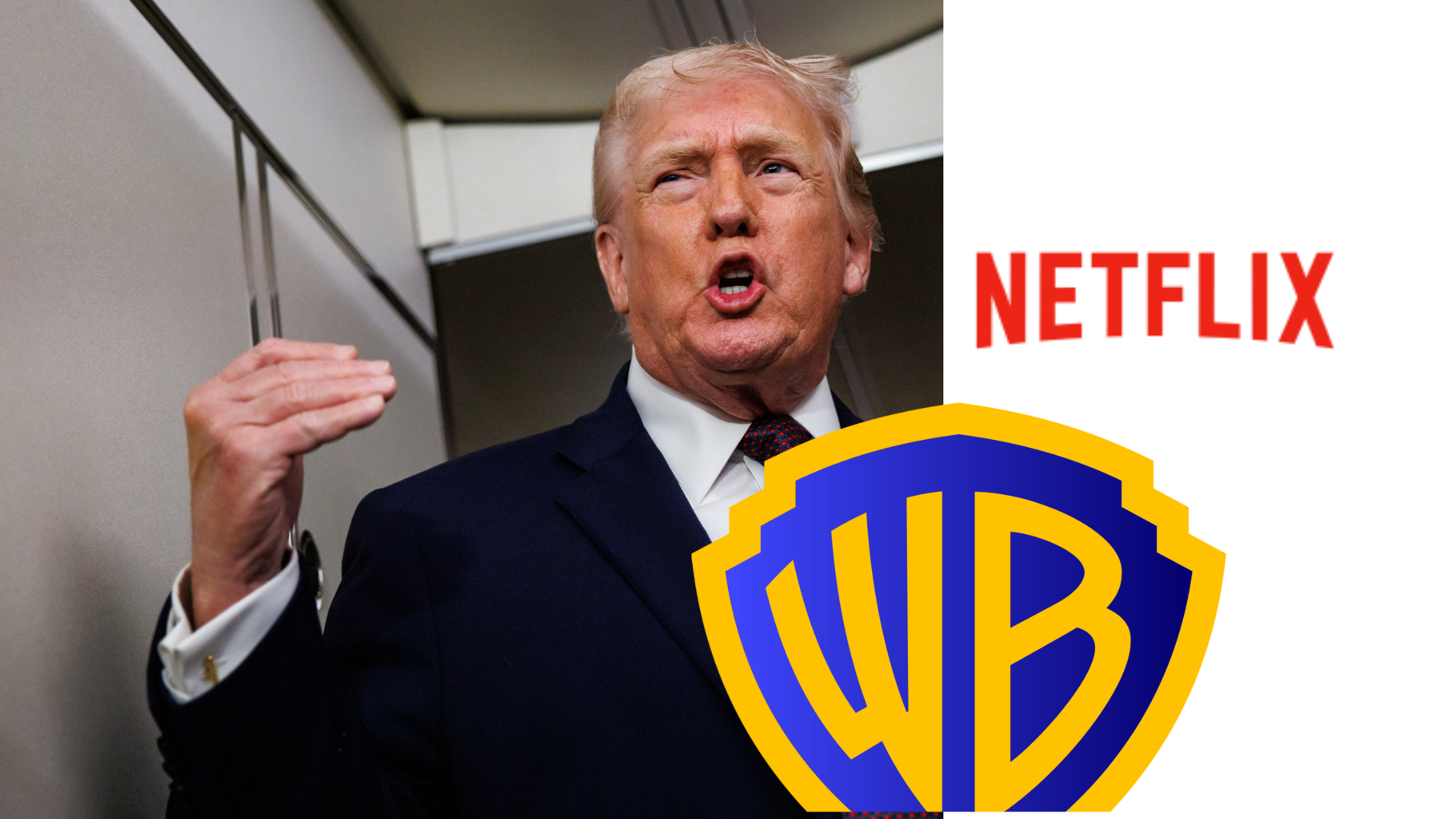
Former President Donald Trump has voiced strong opposition to Netflix‘s potential acquisition of Warner Bros., citing concerns over what he describes as the streaming platform’s left-leaning content. This reaction marks a significant statement from the former leader regarding media influence on American culture.
Trump made his remarks during a rally in Pennsylvania on October 20, 2023. He criticized Netflix for what he perceives as a cultural takeover, suggesting that the company promotes progressive narratives that could undermine traditional values. His comments reflect growing tensions surrounding media ownership and content direction in the United States.
The former president’s apprehensions are not isolated. Many conservative commentators have expressed similar sentiments, arguing that major media companies should be scrutinized for their influence on public opinion. Trump emphasized that a merger of this magnitude would further entrench Netflix’s cultural impact, which he believes is detrimental to American society.
In recent years, Netflix has faced backlash from various political factions for its programming choices. The streaming service has been at the forefront of producing content that some critics label as politically charged. This has raised questions about how corporate ownership affects the narratives presented to audiences.
The acquisition of Warner Bros. would expand Netflix’s already substantial library of films and television shows, reinforcing its position as a dominant player in the entertainment industry. Currently, Netflix has over 250 million subscribers worldwide, making it a key player in shaping entertainment trends and cultural narratives.
While Trump’s statements reflect a particular political stance, the implications of such a merger extend beyond politics. Industry analysts argue that the merger could lead to significant changes in content production and distribution, potentially altering the landscape of media consumption.
In the wake of Trump’s comments, Netflix has not publicly responded to the concerns raised. However, industry insiders suggest that the company is well aware of the potential backlash and is likely to navigate the acquisition process carefully. With a focus on maintaining subscriber growth and engagement, Netflix may need to consider the cultural implications of its programming to appease a diverse audience.
The ongoing discourse surrounding media ownership and cultural representation highlights the complex relationship between entertainment and politics. As streaming services continue to grow, the conversation about their influence on society is likely to intensify.
As the acquisition process unfolds, all eyes will be on Netflix and its strategies for addressing both viewer expectations and political scrutiny. The outcome could set significant precedents for how media companies operate and the narratives they choose to promote in the future.
















