




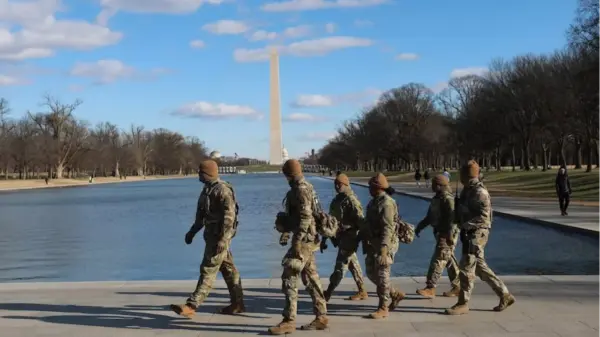























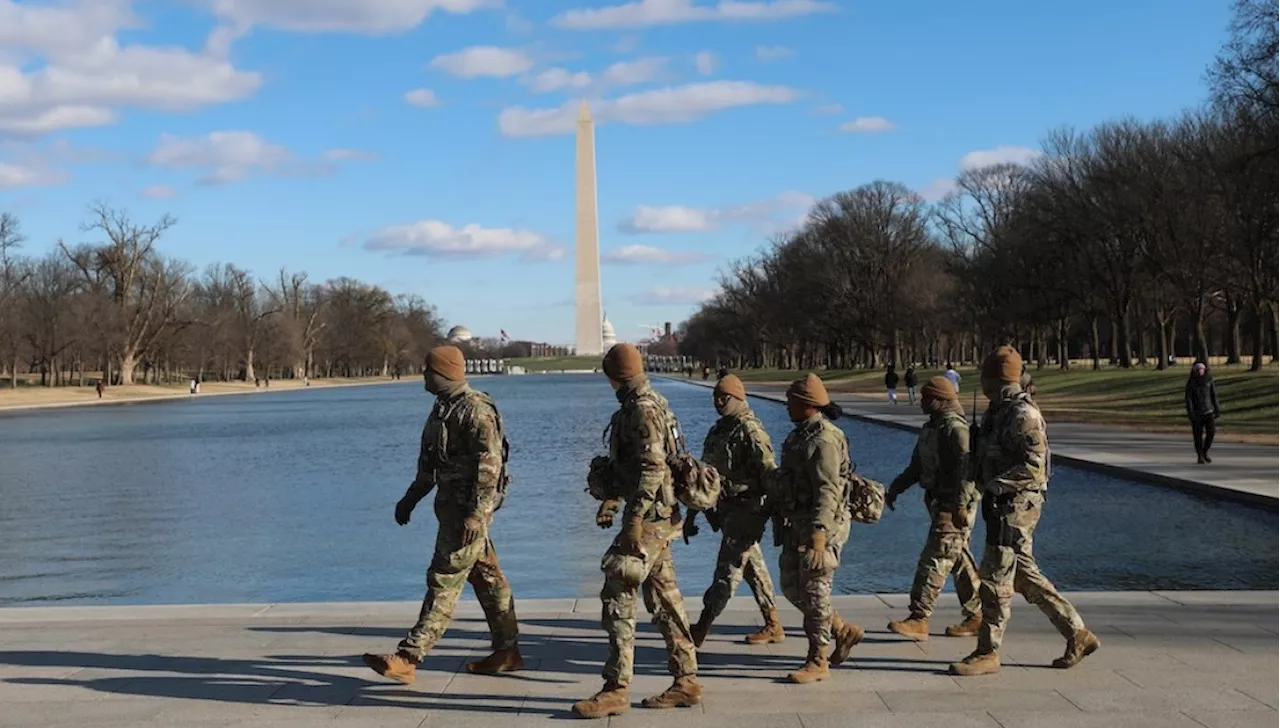
Former President Donald Trump is navigating ongoing legal challenges regarding the deployment of the National Guard to various U.S. cities. These deployments, which were initially intended to maintain order during civil unrest, are now under scrutiny as protests diminish across the nation.
As of early June 2020, the U.S. Department of Defense faces several lawsuits questioning the legality of the Guard’s presence in urban areas such as New York City, Los Angeles, and Chicago. The legal actions stem from claims that the military’s involvement in domestic law enforcement may infringe upon civil liberties.
Legal Challenges Intensify
The lawsuits assert that the deployment of the National Guard violates the Posse Comitatus Act, which restricts the use of the military for domestic law enforcement purposes. Critics argue that the presence of armed troops in civilian areas could lead to potential abuses of power and escalate tensions.
In response to these legal challenges, the Pentagon has stated that the National Guard’s deployment was a necessary step to protect property and ensure public safety during a time of heightened unrest. However, legal experts suggest that the administration may face significant hurdles in defending its actions in court.
Protests Subside, Legal Questions Remain
As protests across the country have begun to wane, the focus has shifted to the implications of the National Guard’s involvement in civilian matters. While many cities have witnessed a decline in demonstrations, the legal ramifications of the Guard’s actions are far from settled.
The Trump administration’s reliance on the National Guard during this period has sparked a national conversation about the appropriate role of military forces in civil society. The outcome of the ongoing litigation could set a precedent for future interactions between military and law enforcement agencies.
In the coming weeks, court decisions are expected to clarify the legality of the National Guard’s role during domestic unrest. With public sentiment shifting and legal battles intensifying, the administration’s handling of these issues will remain under close scrutiny.